
Livraison le jour même ou le lendemain

Qualité garantie

Débloquez vos offres de bienvenue: Livraison GRATUITE | Jusqu'à -80 % | 30 jours d'essai gratuits à JoyPlus
Téléchargez l'application
Between the promises of disinfection, long-lasting fragrances and formulas labelled as eco-friendly, choosing the right household cleaning products can quickly become a headache. A product that works well in the kitchen won't necessarily be suitable for wooden floors, fabrics or drains. The ingredients, the surface and the usage instructions matter far more than the scent or the number of actions highlighted on the packaging.
A cleaner removes visible dirt. A disinfectant, on the other hand, contains an active substance designed to reduce certain micro-organisms, under the conditions stated on the label. A fabric deodoriser mainly tackles odours trapped in the fibres.
A disinfectant toilet gel therefore cannot replace a floor cleaner. Similarly, a fabric deodoriser is no substitute for a proper wash. Always check the authorised use and the contact time specified by the manufacturer.
A powerful formula isn't necessarily compatible with every surface. Wood, marble, delicate fabrics, grout and surfaces that come into contact with food can all react differently to solvents, acids or bleach.
Floor wipes, for example, should be used with very little moisture. The manufacturer of CAROLIN Nature Activ wipes recommends using them on a dry or slightly damp floor. They also advise against using them on unvarnished, waxed or particularly sensitive wooden floors without first testing on an inconspicuous area.
A large format isn't always more economical, especially if the product is overdosed or poorly suited to its intended use. The concentration, the number of possible uses and the type of packaging should all factor into your calculation.
Take the time to read the hazard pictograms, the ingredients list and the instructions. Products containing bleach, caustic soda or hydrochloric acid must never be mixed with other products. Particular care is needed with a drain cleaner or certain toilet gels.
Start by defining exactly what you want to clean:
A suitable product should clearly state the surfaces and uses it is intended for. For fabrics, always test on an inconspicuous area and follow the instructions on the garment's care label.
The term 'eco-friendly' can cover very different realities. Prioritise verifiable information, such as the presence of the EU Ecolabel, the proportion of recycled plastic or the use of naturally derived ingredients. These claims do not, however, mean the product is risk-free or that it can be used on any surface.
Rainett raspberry vinegar washing-up liquid, for example, boasts an EU Ecolabel certification, a bottle made from recycled and recyclable plastic, and plant-based surfactants. It is, however, designed for hand washing dishes and must be rinsed thoroughly.
Some products require gloves, good ventilation or eye protection. A drain cleaner containing caustic soda and chlorinated agents must be kept out of reach of children and away from acidic products. Similarly, an acidic or bleach-based toilet gel should never be used with another cleaner.
Always check:
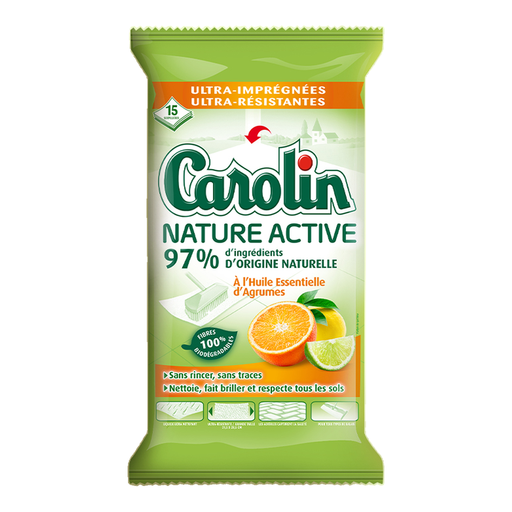
Why this choice suits this profile: The ready-to-use format is ideal for everyday wooden floor care, without needing to buy several accessories or mix a solution.
The use is clearly limited to floors, and the instructions remind you not to soak the wood. Used wipes go in the bin, never down the toilet.
A pack of 15 wipes, biodegradable materials according to the product sheet, and a citrus essential oil fragrance.
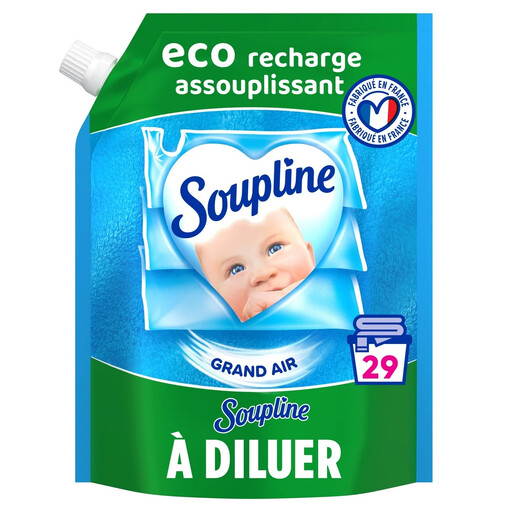
Why this choice suits this profile: The eco-refill format is aimed at households looking for a premium presentation, a distinctive fragrance and the ability to refill a reusable bottle.
The refill states a content of 600 ml and specifies that it should be poured into the fabric softener compartment. The recommended dosage must be followed to avoid waste.
An eco-refill format, effective from 25 °C and 92 % naturally derived ingredients according to the product sheet.
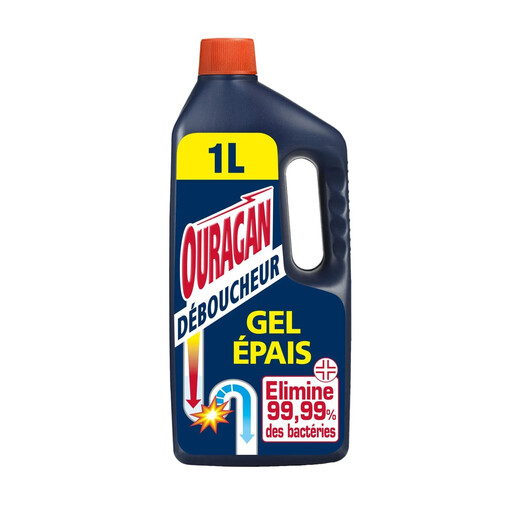
Why this choice suits this profile: Its one-litre format is designed for households dealing with blocked drains who want a direct application.
The stated action time is 15 minutes, but the corrosive formula requires gloves, eye protection and absolutely prohibits mixing with any other products.
A thick gel, a 1 l format and a dosage designed to unblock household drains.
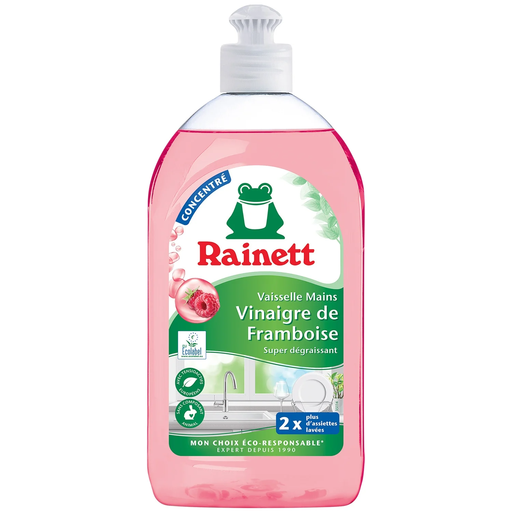
Why this choice suits this profile: This washing-up liquid is ideal for those looking for a concentrated formula for everyday hand washing.
The product sheet clearly states it is for hand washing only, not for dishwashers. A simple but useful indication to prevent misuse.
A 500 ml format, a claimed degreasing action, the EU Ecolabel and a bottle made from recycled plastic.
For grease, oil, sauce or chocolate stains, DR BECKMANN stain remover for fabrics in a 50 ml bottle is applied directly before washing. It is suitable for the fabrics and colours specified by the manufacturer, with the exception of carpets and leather. A prior test is still strongly recommended.
VINCKEL glass cleaner in a 500 ml spray is designed for windows, mirrors and other glass surfaces. The instructions recommend spraying the product from about 30 cm away, then wiping with a soft, dry cloth or a squeegee.
For toilets, HARPIC gels come in several versions: anti-limescale, fragranced, disinfectant, septic tank compatible or as hanging blocks. Don't rely solely on the scent: check the compatibility with your plumbing system and the active ingredients in the formula.
We have selected a complete range, updated in real time, of products that meet these demanding criteria and European safety regulations.
Choose a product explicitly designed for wood or wooden floors and use as little water as possible. Specific wipes can be suitable for a quick clean, provided you respect the floor's finish and test on an inconspicuous area first.
The shelf life depends on the formula and the manufacturer's instructions. Check the date or information on the packaging, inspect the product's appearance and keep bottles tightly closed in a dry place, away from heat and out of reach of children.
No. Never mix bleach with an acidic product, ammonia or another cleaner. Dangerous gases can be released. Use one product at a time, respect the contact time and rinse when the label instructs you to.