
当日/次日达

品质保障

开启新人专享福利: 全场免邮 | 低至 2 折 | 免费试用 30 天 JoyPlus 会员
下载 Joybuy
Between the promises of disinfection, long-lasting fragrances and economical formats, choosing your household cleaning products can quickly become a headache. A multi-purpose cleaner won't necessarily tackle limescale, while a bleach-based product must never be mixed with a descaler.
To avoid unnecessary purchases, start by comparing the intended use, format, ingredients and any precautions listed on the label. Here are the points to check before stocking your cleaning cupboard.
A product can remove visible dirt perfectly well without being a household disinfectant. The terms "cleaner", "degreaser" and "disinfectant" refer to different uses. For a biocidal action, check the active ingredient, contact time and approved surfaces or uses on the label.
A cleaner containing bleach can whiten and remove stains, but some manufacturers state it is not intended for disinfection. So the product you choose must genuinely meet your needs.
A 1.5-litre bottle may seem good value, but its usefulness depends largely on the dosage and frequency of use. A concentrated product may only need a few millilitres per wash, whereas a ready-to-use cleaner will run out much faster.
Compare the volume, application method and recommended dose rather than just looking at the price. For laundry and fabric care, a measuring cap or eco-refill can also help reduce waste.
An effective descaler for the bathroom can attack natural stone, certain metals or a treated surface. The same goes for a magic eraser made of melamine foam, which can leave marks on glossy or delicate finishes.
Always test the product on an inconspicuous area and check the list of compatible surfaces. This precaution is especially important with chlorine-based products, drain cleaners and highly alkaline cleaners.
Biocidal products should not be used carelessly. Before opening the bottle, read the hazard pictograms, active ingredient and usage instructions. Never mix bleach with an acidic product, descaler or ammonia, as this mixture can release dangerous fumes.
Wear gloves when recommended, ventilate the room and store bottles out of reach of children and pets. Fragrances can also contain allergenic substances: if someone in your household is sensitive, take the time to check the ingredients list.
In a family home, a bottle of at least 1 litre can reduce trips to the shop. For occasional use in the kitchen or bathroom, a 500 to 700 ml spray bottle is often more practical. Reusable sponges can complement this setup and reduce consumables, provided they are properly rinsed and dried after each use.
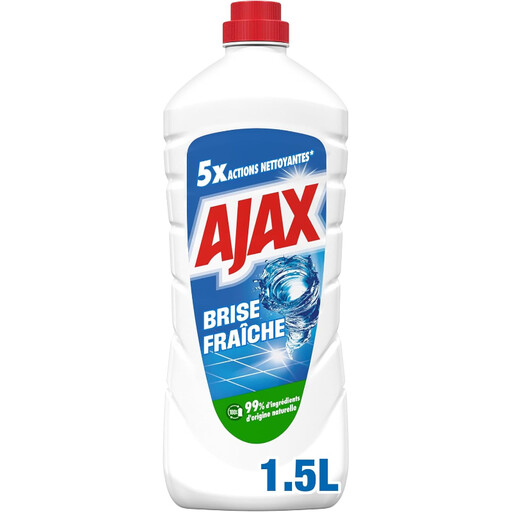
Why this choice suits this profile: With its 1.5-litre format, this product is ideal for everyday cleaning of floors, the kitchen and the bathroom for those who want to start with a single all-purpose cleaner.
The product details indicate it can be used neat or diluted, including with cold water. So you can adjust the dosage according to the task, without needing multiple bottles.
A multi-surface product, a bottle made from recycled plastic and ingredients stated to be 99% naturally derived.
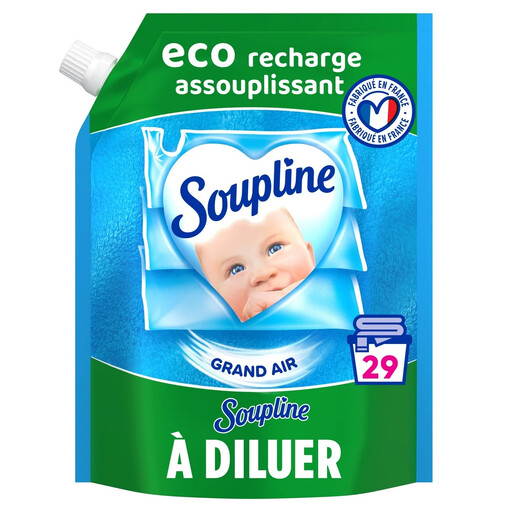
Why this choice suits this profile: This refill is aimed at people who care about the scent of their laundry, want a concentrated formula and wish to reduce packaging with their regular purchases.
The eco-refill is poured into a reusable bottle. No need to buy a new container each time you restock.
600 ml of concentrated product, effective from 25 °C and 92% naturally derived ingredients according to the product details.
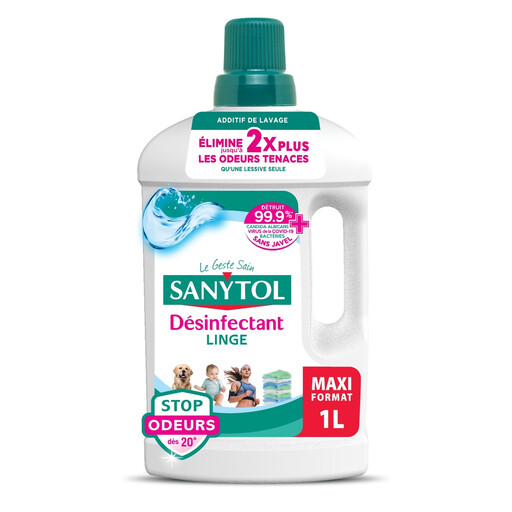
Why this choice suits this profile: It is aimed at households that frequently wash sportswear, household linen or textiles at low temperatures and want to neutralise persistent odours.
The product details state that it should be poured into the fabric softener compartment, using two caps for a standard load. It must not be applied directly to dry laundry.
A 1-litre format, effective from 20 °C and a formula designed for short cycles. Check the label for excluded fabrics, particularly wool and silk.
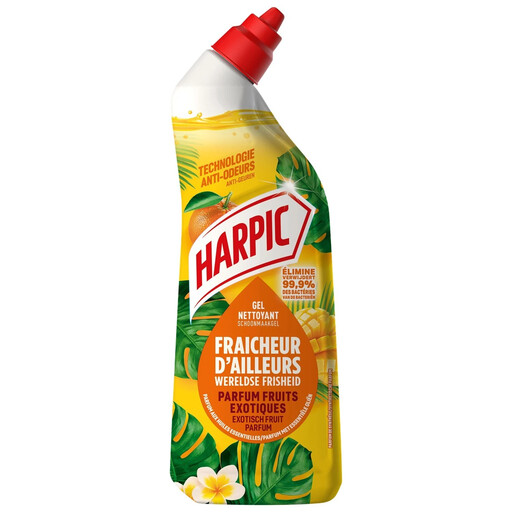
Why this choice suits this profile: Its nozzle reaches under the rim, while its 750 ml format is suitable for frequent cleaning in busy toilets.
This is a product designed specifically for toilets, not a multi-surface cleaner. Its area of use is clearly defined.
The product details state an anti-odour action, removal of stains and limescale, plus an exotic fruit fragrance. Do not mix with any other product.
We have selected a complete range, updated in real time, of products that meet these demanding criteria and European safety regulations.
Start with a descaler that is compatible with the materials involved. Follow the contact time, rinse thoroughly and never use an acidic product with bleach. For regular maintenance, a bathroom cleaner is usually sufficient if you avoid letting deposits build up.
It depends on your needs and the manufacturer's recommendations. A laundry disinfectant should be used according to the dosage and in the designated compartment, especially for low-temperature cycles. Check the compatible fabrics and do not confuse it with a concentrated fabric softener: these two products have different functions.
Follow the instructions on the bottle and look for the pictogram indicating the period after opening, if present. Store products tightly closed, in a cool, ventilated place, away from food, children and pets. If the label becomes illegible or the product's appearance changes, dispose of it in accordance with local guidelines.