
Livraison le jour même ou le lendemain

Qualité garantie

Débloquez vos offres de bienvenue: Livraison GRATUITE | Jusqu'à -80 % | 30 jours d'essai gratuits à JoyPlus
Téléchargez l'application
Between a multi-surface cleaner, a disinfectant, a limescale remover or a bleach-based cleaner, the differences go far beyond just the scent or the format. To avoid buying the wrong product, always check the intended use, the contact time and the precautions listed on the label.
A product can remove dirt, grease marks or limescale without being designed to disinfect. Conversely, a disinfectant usually needs to keep the surface wet for a specific length of time to guarantee its biocidal action.
The LA CROIX multi-purpose bleach cleaning gel, for example, is presented as a cleaning, whitening and stain-removing product. However, its product description states that certain references are not intended for disinfection. So it is better to rely on the function clearly stated on the label rather than just the word "Bleach".
A 500 to 800 ml spray is ideal for quick jobs on the sink, worktop or toilet. In a family home, a floor cleaner or disinfectant in a 5-litre container can reduce the number of times you need to replace the bottle, provided you have enough storage space and can follow the dilution instructions.
Disinfectant wipes are handy for a quick touch-up, but their cost per use can be higher than that of a concentrate or a refillable bottle. They also generate more waste.
A chlorinated, acidic or heavy-duty degreasing formula is not suitable for all surfaces. Marble, aluminium, certain painted finishes, untreated wood and porous materials need special attention. Always test on an inconspicuous area and follow the manufacturer's recommendations for the surface.
For biocidal products, look for the regulatory information and standards mentioned on the packaging. The standards EN 13697, EN 1650 and EN 14476 correspond to specific testing protocols for bactericidal, fungicidal and virucidal activity respectively. They do not replace the need to follow the instructions for use, concentration and contact time.
A spray that dries immediately can be convenient for daily cleaning. However, to disinfect, you may need to keep the surface wet for several minutes. If the surface comes into contact with food, check whether rinsing with drinking water is mandatory.
SANYTOL 4 Actions, for example, states it can be used on surfaces that come into contact with food, provided the instructions on the label are followed. The contact time and whether rinsing is needed must therefore be checked before each use.
Products containing bleach, ethanol, hydrogen peroxide or acidic agents should be used with care. Wear gloves when the label recommends it, ventilate the room and keep bottles out of reach of children.
Never mix a bleach-based cleaner with an acidic product, vinegar, ammonia or any other cleaner. Dangerous gases can be released. This rule also applies to gels, tablets and concentrated refills.
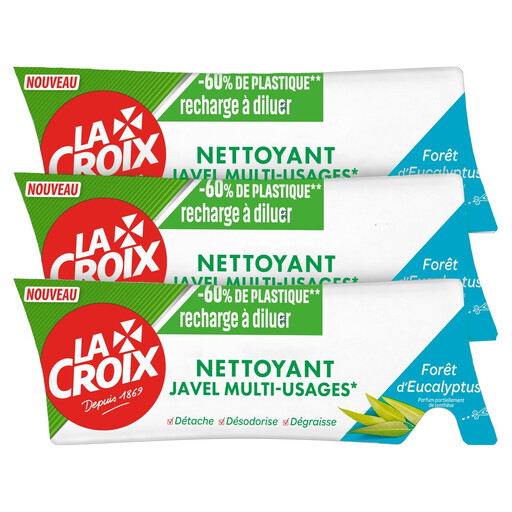
Why this choice suits this profile: The pack of three dilutable refills is ideal for regular cleaning of floors, tiles and worktops, while reducing the number of bottles you need to store.
The refill format means you don't have to keep buying new bottles, while the "dilutable" label reminds you to follow the dosage instructions on the packaging.
Three refills, a eucalyptus fragrance and a claimed action against stains, odours and grease.
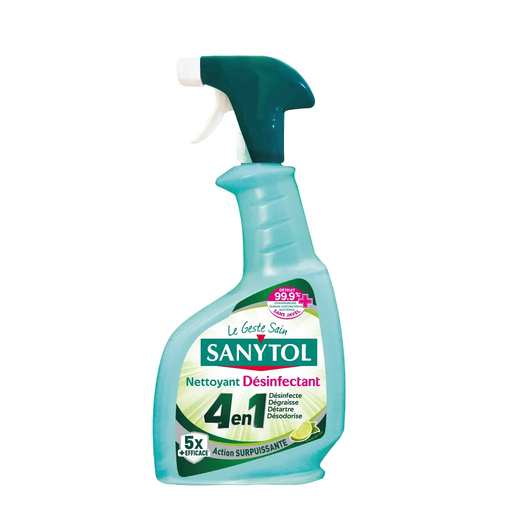
Why this choice suits this profile: Its ready-to-use spray combines cleaning, deodorising, degreasing and anti-limescale action. A practical solution for keeping the number of products in your cupboard to a minimum.
The product description clearly distinguishes the contact time and precautions needed on food-contact surfaces, rather than promising universal effectiveness without conditions.
A foaming spray, a formula with 1.5% hydrogen peroxide and a no-rinse indication depending on the intended use.

Why this choice suits this profile: Its large container is ideal for frequent cleaning of large areas, professional premises or a family home.
Its bleach-free formula is aimed at those who want to avoid chlorinated products, while still providing a disinfectant use that complies with the label instructions.
A 5-litre container, a lemon fragrance and references to standards EN 13697, EN 1650 and EN 14476 in the product description.
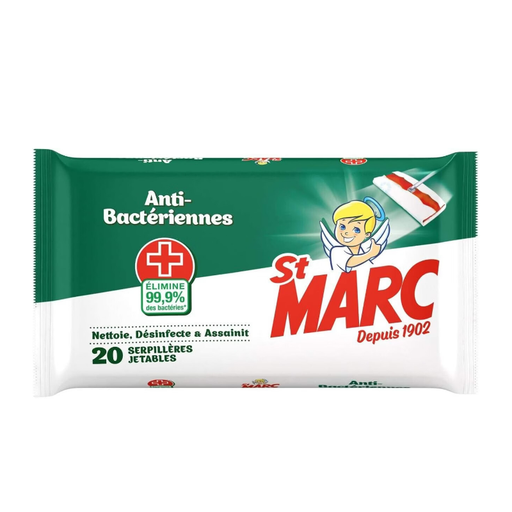
Why this choice suits this profile: These wipes are designed for quickly cleaning floors and large washable surfaces, especially when a bucket and precise measuring are not practical.
The pack of 20 allows you to assess your usage before moving to a larger format. Used wipes must not be flushed down the toilet.
A pre-moistened format, claimed fast drying and compatibility with certain flat mops like Swiffer.
We have put together a comprehensive, real-time updated selection of products that meet these strict criteria and European safety regulations.
To remove grease, go for a household degreaser or a kitchen cleaner. If disinfection is needed, choose a product that clearly claims this action and check the rinsing instructions for the worktop, table and any surfaces that come into contact with food.
The shelf life depends on the formula and the manufacturer's instructions. Check the date on the packaging, keep the bottle sealed and avoid large temperature fluctuations. If the smell or texture has changed, check the manufacturer's recommendations before using it.
Some references are designed for floors and large surfaces, while others are intended only for small areas. Check the intended use, compatibility with your mop and the disposal instructions. A used wipe must never be flushed down the toilet.