
Livraison le jour même ou le lendemain

Qualité garantie

Débloquez vos offres de bienvenue: Livraison GRATUITE | Jusqu'à -80 % | 30 jours d'essai gratuits à JoyPlus
Téléchargez l'application
With promises of rapid action, long-lasting fragrances and disinfection claims, choosing the right household cleaning products can quickly become a headache. A product designed for laundry will not necessarily be suitable for a kitchen surface, while a powerful cleaner may damage a delicate material or pose risks if used incorrectly.
Before placing your order, three common pitfalls are worth bearing in mind:
Start by identifying your exact need: laundry stain remover, stain-removing powder, fabric disinfectant, degreasing cleaner or everyday household cleaner.
For laundry, a powder containing oxygen-based bleaching agents can complement your detergent, but it will not necessarily replace it. Colour-catcher sheets help limit colour transfer during washing, although they cannot correct every sorting mistake.
In the toilet, distinguish between:
Read the label carefully to understand the permitted uses, contact time and precautions. A claim such as ‘99.9% of bacteria’ should be understood as performance achieved under the conditions of use specified by the manufacturer, not as a guarantee that applies in every situation.
The warnings corrosive, irritant and hazardous to the aquatic environment are not there for decoration. They indicate the precautions required: wearing gloves and protective eyewear, ventilating the room and storing the product out of children’s reach.
Never mix bleach with an acidic product, limescale remover or ammonia. Such a reaction can release dangerous gases. The same caution applies to certain drain unblockers and toilet gels.
Before buying, also check:
A 50 ml format may be enough for targeted stain removal, while a 2.7 kg tub is more suitable for a family that treats laundry regularly. For laundry products, compare the stated number of washes and recommended dose rather than looking at weight alone.
For household cleaning, also choose products according to how often each task is carried out:
Melamine foam, for example, works through micro-abrasion. Test it first on an inconspicuous area: it is not suitable for every glossy, varnished or delicate surface.
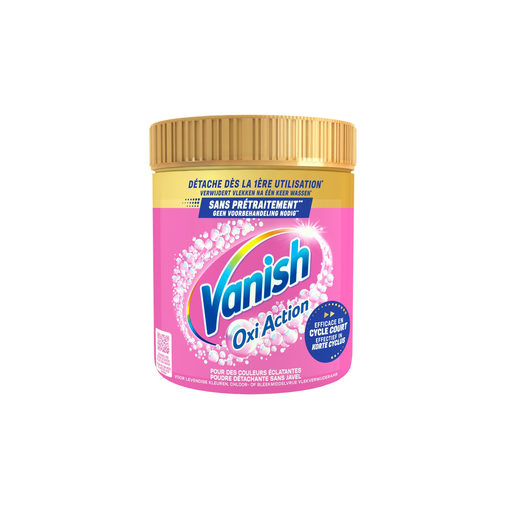
Why this product suits this profile : An intermediate-size format for treating everyday stains regularly without going straight for a large pack.
Its chlorine-free formula is presented as suitable for both colours and whites, although testing it on a hidden area is still recommended.
A powder that can be used from 20 °C according to the label, supplied with a scoop and an applicator for pre-treatment.
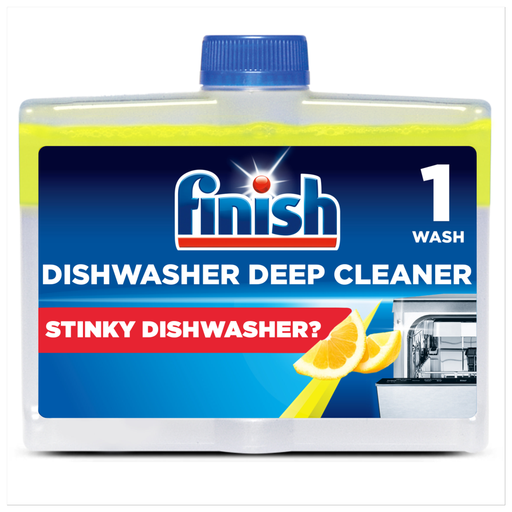
Why this product suits this profile : A dedicated solution for cleaning the inside of the dishwasher, ideal for households that want to build regular maintenance into their routine.
It targets internal areas such as the filter, pipes and spray arms, which are often overlooked during manual cleaning.
A 250 ml bottle, a formula described as effective against greasy and limescale deposits, and use without removing the cap.
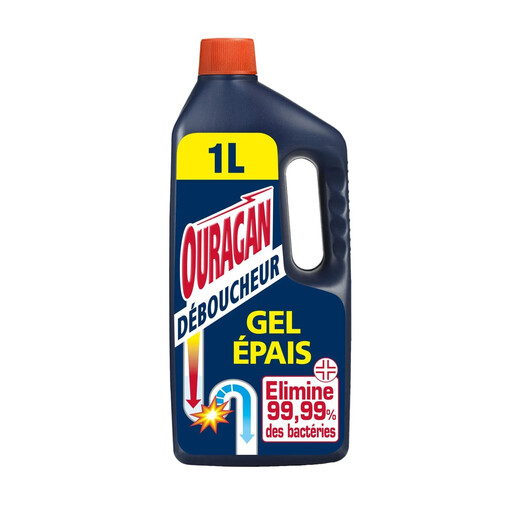
Why this product suits this profile : A drain unblocker gel designed for blockages requiring occasional, targeted treatment.
It is strictly for unblocking drains. Do not combine it with any other household product, especially acidic products.
A 1-litre format and a stated action time of 15 minutes ; gloves, protective eyewear and good ventilation are essential.
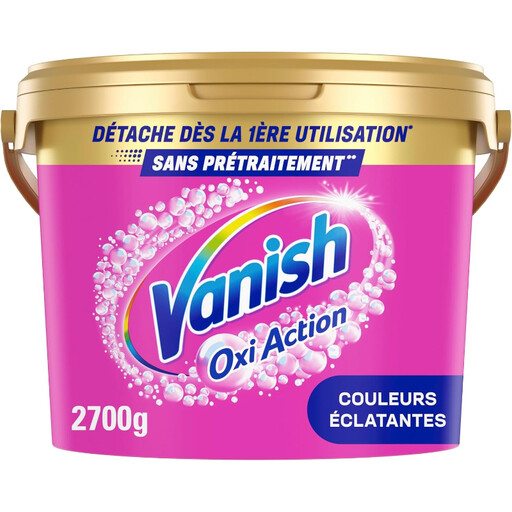
Why this product suits this profile : The large format is ideal for regular use, whether in the washing machine, for soaking or as a pre-treatment, according to the label instructions.
The dose and fabrics to avoid are clearly stated: not suitable for wool, silk, leather or garments requiring dry cleaning.
A 2.7 kg format, a chlorine-free formula and use from 20 °C.
We have brought together a complete selection, updated in real time, of products that meet these strict criteria while complying with European safety regulations.
Even carefully chosen household cleaning products can be used incorrectly. Always follow the stated dosage and never decant a product into a food container. Keep the original packaging so that safety information remains close at hand.
When using a magic eraser, dampen the foam with water, then rub gently without applying pressure. For a bathroom limescale remover, rinse sensitive surfaces and avoid incompatible materials. For laundry, check the garment label and test colourfastness before any treatment.
Chlorine-based products and fabric disinfectants should be stored separately from other products. Ventilating the room, wearing suitable protective equipment and keeping products in a closed storage area helps reduce everyday risks.
It depends on the type of stain. A targeted stain remover is suitable for grease, sauce or make-up stains, while stain-removing powder can be used more broadly in the washing machine or for soaking. Always test the product on an inconspicuous area and follow the recommended temperature and the list of fabrics to avoid.
No. Bleach can discolour certain materials and damage metal surfaces, fabrics and delicate finishes. Never mix it with an acidic product or one containing ammonia. Check the label and rinse when instructed, particularly on a surface intended for contact with food.
The frequency depends on the number of cycles, water hardness and the build-up of grease. Regularly cleaning the filter, spray arms and seals remains essential. Dishwasher cleaner can complement this routine if odours or deposits start to appear.