
当日/次日达

品质保障

开启新人专享福利: 全场免邮 | 低至 2 折 | 免费试用 30 天 JoyPlus 会员
下载 Joybuy
With promises of long-lasting freshness, “disinfectant” claims and value-size formats, choosing your household cleaning products can quickly become a headache. An unsuitable cleaner could damage a surface, leave marks or be incompatible with your equipment.
To avoid unnecessary purchases, start by identifying what you really need: caring for laundry, degreasing the kitchen, cleaning the toilet, removing limescale or unblocking a drain. Here are the key points to check before filling your basket.
A product may remove a stain without necessarily being a disinfectant. Conversely, a biocidal formula will not necessarily replace a degreaser or everyday cleaner. And a pleasant scent says nothing about how effective the product is.
For laundry, first decide what you actually need: a detergent and fabric conditioner, an additional disinfectant or a solution for tackling stubborn odours. Biocidal products must always be used in accordance with their label and instructions.
An acidic toilet limescale-removing gel, a chlorine-based product or an abrasive cleaner is not suitable for every material. Glossy surfaces, untreated wood, stainless steel, waxed finishes and porous materials can all react very differently.
Before using a product for the first time, check the list of compatible surfaces and test it on a small, inconspicuous area. This precaution is especially important with melamine foam erasers, whose action is similar to very fine scrubbing.
A two-litre bottle is only good value if the dosage suits how often you wash. To compare prices, look at the number of uses, the recommended amount per cycle and the type of machine. A concentrated product may take up less space, but it often requires more precise dosing.
For a laundry disinfectant, check the intended compartment — usually the fabric conditioner compartment — as well as the minimum temperature for use. Some products are advertised as effective from 20 °C, which may suit short or low-temperature cycles, provided you follow the instructions on the packaging.
Lenor Liquid Fabric Conditioner Jasmine & May Rose Collection 882 ml is designed for approximately 42 washes, according to its product information. It is poured into the dedicated fabric conditioner compartment and fits easily into a standard washing routine. Its formula contains, among other ingredients, less than 5% cationic surfactants and fragrance.
Claims such as “bleach-free”, “colourant-free” or “fragrance-free” can help guide your choice, but they do not replace reading the safety instructions. Some laundry disinfectants contain biocidal substances that may cause skin irritation or serious eye damage.
Wear gloves when recommended on the label, ventilate the room and keep bottles out of the reach of children. Never mix a chlorine-based product with an acid, including a toilet cleaner or toilet limescale-removing gel: dangerous gases may be released.
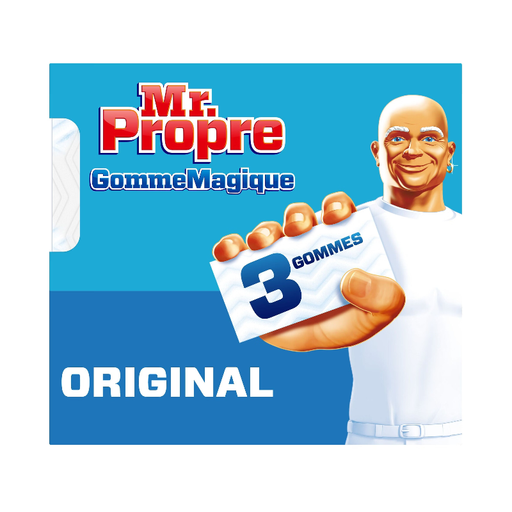
Why this choice suits this profile : This eraser is simple to use with water and is suitable for small touch-ups on walls, baths or grouting, without needing multiple bottles.
The product information lists incompatible surfaces. Testing it on an inconspicuous area helps prevent the foam being used on a glossy, varnished or delicate surface.
Use with water and a pack of three erasers. The foam wears down with use and should be thrown away afterwards.
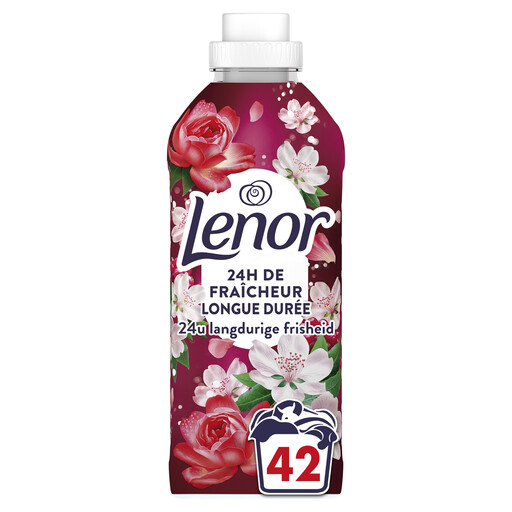
Why this choice suits this profile : If fragrance and the feel of your laundry matter to you, this floral collection, advertised for 42 washes, could be an appealing choice.
The volume and stated number of cycles make it possible to compare the cost per wash, rather than relying solely on the bottle’s design.
A jasmine and May rose fragrance, freshness advertised to last for up to 24 hours and a bottle made from recycled plastic, excluding the cap and sleeve.
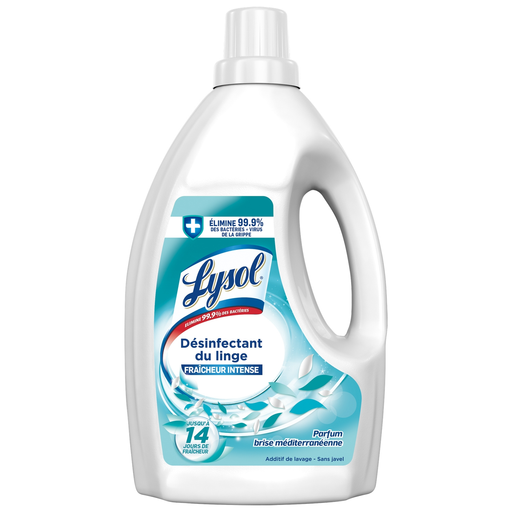
Why this choice suits this profile : Households that regularly wash sportswear, underwear or household linen may be looking for an effective laundry disinfectant that works at low temperatures.
The formula is advertised as bleach-free and suitable for both white and coloured fabrics. However, the dosage and biocide-related warnings must be followed precisely.
A 1-litre format, use in the fabric conditioner compartment and advertised effectiveness against bacteria from 20 °C, according to the product information.
We have put together a complete, real-time updated list of products that meet these strict selection criteria and European safety regulations.
Store your products in a dry place, away from heat and out of children’s reach. Close caps tightly to prevent evaporation and leaks. For products intended for toilets and drains, carefully observe the stated contact time.
A glass cleaner used with a clean microfibre cloth helps minimise marks and repeated wiping. For wooden floors, use as little water as possible: Carolin biodegradable wipes are designed for wood flooring, but their product information recommends avoiding excess moisture and disposing of them with household waste.
No. Mixing bleach with an acidic product, ammonia or a drain unblocker can release dangerous fumes. Use one product at a time, rinse if necessary and ventilate the room.
No. Laundry disinfectant is used as an additional product, according to the manufacturer’s instructions. Detergent is intended to remove dirt, while fabric conditioner mainly improves the feel and fragrance of fabrics.
Compare the price per wash, per litre or per use. Take the recommended dosage, total volume and frequency of use into account. For a toilet cleaner or bathroom limescale remover, the contact time and area covered can also affect consumption.