
当日/次日达

品质保障

开启新人专享福利: 全场免邮 | 低至 2 折 | 免费试用 30 天 JoyPlus 会员
下载 Joybuy
Between promises of fast action, long-lasting fragrances and formulas presented as multipurpose, buying household cleaning products can quickly become a headache. A product that works well on a hob will not necessarily be suitable for parquet flooring, delicate surfaces or laundry.
To avoid unnecessary purchases, the most important thing is to match each product to a specific use, check which materials it is compatible with and calculate its true cost per use. Here are the criteria to review before putting together your household cleaning essentials.
A multipurpose cleaner can be used on several surfaces, but that does not mean it is suitable for untreated wood, marble, non-stick coatings or painted surfaces. The “multi-surface” claim therefore always deserves a careful reading of the label.
In the kitchen, a kitchen cleaner must be rinsed if the surface comes into direct contact with food. A bathroom product, meanwhile, may contain descaling agents that are incompatible with certain materials.
Claims such as “eliminates 99.9% of bacteria” are manufacturer claims, generally valid only under specific conditions of use. They do not constitute a guarantee applicable to every surface or everyday situation.
Before buying a bathroom cleaner, disinfecting toilet gel or laundry disinfectant, check the instructions, contact time, suitable surfaces and required precautions. Never mix different products, particularly those containing bleach, acids or ammonia.
A large bottle is not automatically more economical. To compare products properly, consider the volume, recommended dosage and frequency of use. Concentrated detergent, washable floor mops or reusable microfibre cloths can reduce repeat purchases, provided they are cared for in accordance with the manufacturer’s instructions.
Start by identifying the problem you need to tackle:
Cleaning sponges are not interchangeable. An abrasive side can scratch a non-stick pan, ceramic hob or glossy surface. Even non-scratch sponges should be tested on an inconspicuous area whenever recommended by the manufacturer.
Reusable microfibre cloths are particularly practical for dusting and cleaning surfaces with water. To preserve their fibres, some models must be washed without fabric softener. A microfibre floor mop with a bucket that separates clean water from dirty water can also simplify regular floor care.
The label should specify hazard pictograms, recommended protective equipment and storage conditions. Keep products out of the reach of children and pets, in their original, sealed packaging and away from heat.
Biocidal products, such as certain disinfecting toilet gels or laundry disinfectants, must be handled with care. Follow the recommended dosage and action time, and use them only on approved textiles and surfaces. Used wipes, particularly floor wipes, must never be flushed down the toilet.
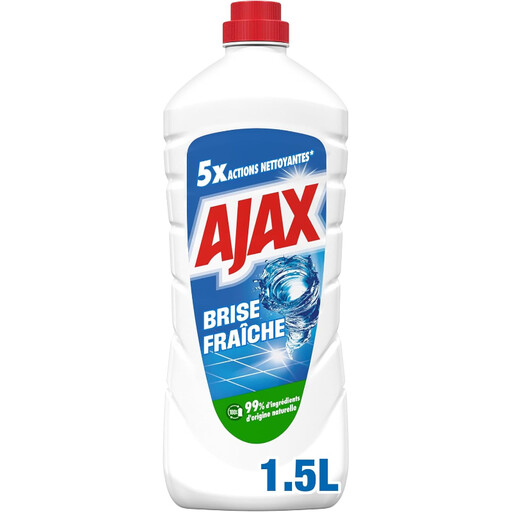
Why this choice suits this profile : With its 1.5 L format and suitability for floors, kitchens and bathrooms, this product lets you get started with a single versatile cleaner.
It avoids the need for multiple bottles, while reminding you to check the label for dilution instructions and compatibility with each surface.
According to the product information, it can be used with cold water, comes in a recycled plastic bottle and contains ingredients advertised as being 99 % naturally derived.
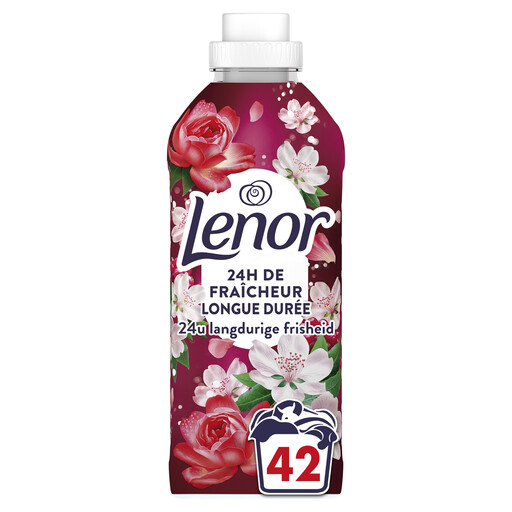
Why this choice suits this profile : This format is designed for households seeking beautifully fragranced laundry, with clearly specified dosing for 42 washes.
The stated number of washes makes it possible to compare the cost per cycle instead of relying solely on the bottle price.
882 ml, jasmine and May rose fragrance, suitable for rapid and low-temperature cycles according to the information provided.
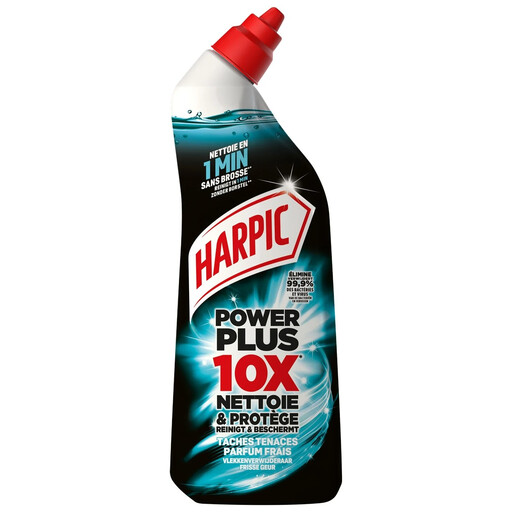
Why this choice suits this profile : Its nozzle is designed to reach beneath the rim, while its targeted application meets the needs of regular cleaning, particularly against limescale and stubborn stains.
It is intended exclusively for toilets: this clear indication prevents use on other surfaces or mixing with another cleaner.
750 ml bottle, with advertised action against limescale, rust and stains. The formula contains hydrochloric acid: gloves, ventilation and careful reading of the label are essential.
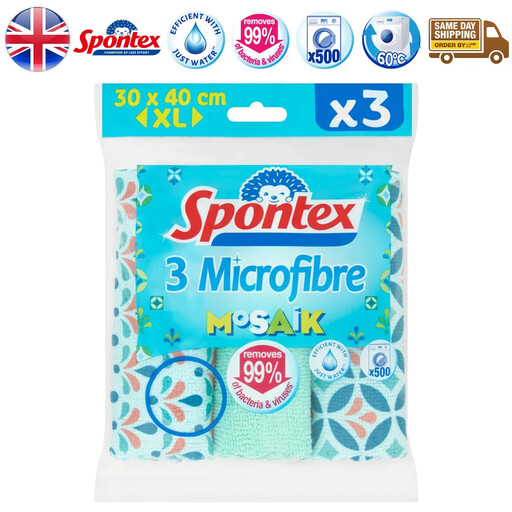
Why this choice suits this profile : These cloths are suitable for everyday cleaning, dusting and washing up. They are machine washable for repeated use.
Washable up to 500 times according to the product information, they reduce the need to replace disposable wipes. However, fabric softener should be avoided to preserve their effectiveness.
Pack of 3 cloths measuring 30 × 40 cm, suitable for dry or damp use and made from 85 % polyester and 15 % polyamide.
We have selected a comprehensive, real-time-updated range of products that meet these exacting criteria as well as European safety requirements.
A simple system is often enough to prevent products from piling up:
Everyday hygiene products, such as boxed tissues or wipes intended for contact with skin, should be chosen according to their intended use, ingredients and stated precautions. They are not a substitute for products designed to clean surfaces.
A basic kit may include a multipurpose cleaner, kitchen cleaner, bathroom product, toilet gel, cleaning sponges and reusable cloths. You can then add laundry detergent, fabric softener or laundry disinfectant according to your routine.
Shelf life depends on the formula and the manufacturer’s instructions. Check the packaging, keep the bottle tightly closed and watch for any change in smell, colour or texture. For biocidal products, pay particular attention to the expiry date and storage conditions.
Compare the price per dose, choose formats suited to your consumption and prioritise washable accessories whenever they can be properly maintained. Following the recommended dosage also prevents waste and limits residue on surfaces or textiles.