
当日/次日达

品质保障

开启新人专享福利: 全场免邮 | 低至 2 折 | 免费试用 30 天 JoyPlus 会员
下载 Joybuy
With promises of express cleaning, long-lasting fragrances and value formats, choosing the right household cleaning products is far from straightforward. A product that works well in the kitchen can damage a delicate surface, while a large, weakly concentrated bottle may cost more to use than a smaller format.
Here are the criteria to consider before buying household products, cleaning products or cleaning accessories.
A multi-surface cleaner can be used on floors, in the kitchen or in the bathroom. That does not mean it is suitable for unprotected wood, marble, aluminium or painted surfaces. The product description and label should clearly state which materials are compatible.
For surfaces that come into contact with food, also check whether rinsing is required. Some kitchen cleaners, for example, need to be wiped down and then rinsed before food or utensils are put back in place.
Statements such as ‘works quickly’, ‘eliminates bacteria’ or ‘no scrubbing required’ are claims made by the manufacturer. They need to be considered in context, including the instructions for use, contact time, temperature and type of surface.
Whether you are using a laundry disinfectant, disinfectant toilet gel or drain unblocker, take the time to read the label, safety precautions and active ingredients. Increasing the dosage does not guarantee better results and may increase the risk of exposure.
The price shown on the bottle is not enough to compare two products. Consider the number of uses, recommended dosage and amount required per room. A 1.5-litre container may be cost-effective for regular cleaning, while an 800 ml spray will be more convenient for occasional jobs.
For wipes, also check the number of sheets and how they can be used. Some colour-catcher wipes can be cut for smaller loads, while floor wipes are generally designed for single use.
Start by identifying your needs precisely:
A specialist product is not necessarily the best choice. The key is to match it to the dirt you need to remove and the material concerned.
Check the hazard pictograms, fragrance allergens, surfactants and biocidal substances where applicable. Products containing hydrochloric acid, caustic soda or bleach require particular care.
Never mix an acidic product with bleach or another cleaner. Wear gloves and ventilate the room whenever the label recommends it. Always store cleaning products out of the reach of children and pets.
For cleaning sponges, texture matters just as much as absorbency. An abrasive side can scratch a non-stick pan, a glossy hob or a delicate sink. Vegetable cellulose sponges, microfibre cloths and non-woven pads are designed for different needs.
Also check the dimensions, whether the item can be washed and how often it needs replacing. After each use, rinse the sponge, wring it out and leave it to air-dry. Replace it as soon as it becomes worn or difficult to clean.
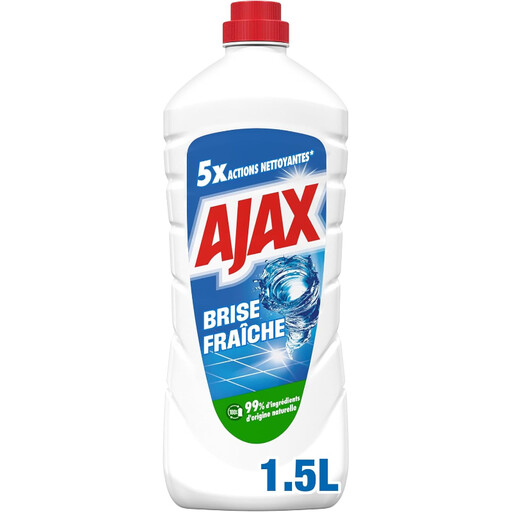
Why this choice suits this profile : With its generous size, this cleaner covers several everyday tasks, from floors to the kitchen and bathroom, without filling your cupboards with multiple bottles.
It avoids the need to buy several specialist cleaners for small everyday chores. Nevertheless, check the dosage and compatibility with each surface.
1.5 L capacity and suitable for use with cold water, according to the manufacturer's instructions.
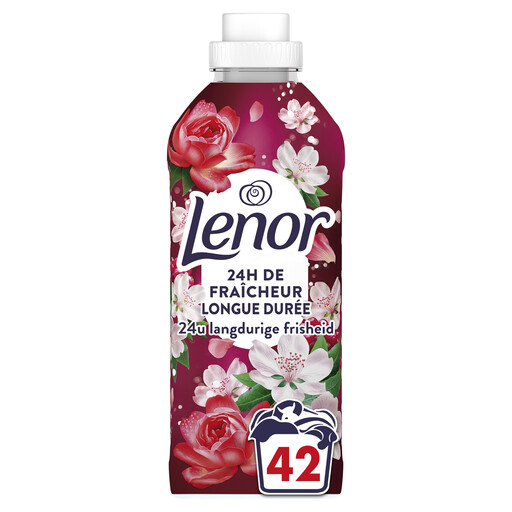
Why this choice suits this profile : This product is aimed at households that value fragrance and soft laundry, with a dosage stated for 42 washes according to the product description.
The stated number of washes makes it easier to compare this bottle with other formats. Follow the recommended dosage to avoid overdosing and residue on fabrics.
882 ml bottle, jasmine and May rose fragrance, with less than 5 % cationic surfactants according to the product description.
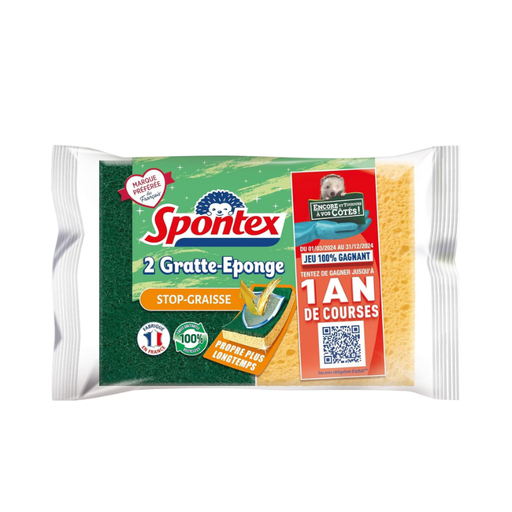
Why this choice suits this profile : This pack is suitable for busy kitchens and people who regularly wash dishes or clean greasy surfaces.
The product description mentions a design intended to limit grease retention in the fibres. However, keep the abrasive side away from delicate surfaces and non-stick coatings.
Plant-based sponge made from cotton, wood pulp and flax; machine washable at 40 °C.
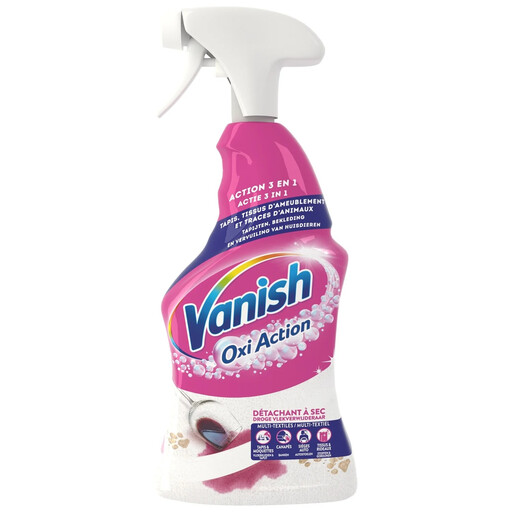
Why this choice suits this profile : This spray treats a localised stain on a rug, carpet or fabric, without needing to clean the whole room.
It lets you target the stained area rather than using a general-purpose cleaner. Always test on an inconspicuous area first and avoid wool, silk and leather.
500 ml spray format, designed for rugs, fabrics and carpets, with a contact time specified in the product description.
We have brought together a complete, real-time selection of products that meet these demanding criteria, while complying with European safety regulations.
A multi-surface cleaner may be suitable for washable floors, some kitchen surfaces and the bathroom. Always check which materials are incompatible and whether rinsing may be required. To tackle stubborn limescale, a cleaner specially designed for bathrooms will often be more suitable.
It depends on how often it is used, the condition of the sponge and how well it is maintained. Rinse it after every use, wring it out and leave it to dry. Replace it as soon as it develops a persistent odour, deteriorates or builds up residue that is difficult to remove. For some models, the manufacturer specifies a precise replacement frequency.
Compare the price per wash, per litre or per use, then choose a format suited to your actual consumption. Refills, concentrates and larger formats can reduce packaging and the cost per use, provided you follow the recommended dosage. For laundry, make sure you distinguish between fabric softener, fabric stain remover and laundry disinfectant: each has a specific function and cannot be substituted for another.