
当日/次日达

品质保障

开启新人专享福利: 全场免邮 | 低至 2 折 | 免费试用 30 天 JoyPlus 会员
下载 Joybuy
With promises of disinfection, long-lasting fragrances and value-size formats, buying household cleaning products can quickly become a real headache. Toilet gel is not used in the same way as a kitchen cleaner, laundry disinfectant or limescale remover. The right choice depends mainly on the surface to be treated, the level of dirt, the contact time and the precautions for use.
A product may remove marks, dissolve limescale or whiten a surface without being designed to disinfect it. This is particularly true of some multi-purpose bleach products. The product information for LA CROIX Multi-Purpose Bleach Cleaner Liquid 1.5L specifies that this product is not intended for disinfection.
Conversely, a toilet disinfectant or laundry disinfectant must be used according to the label instructions, following the recommended dosage and contact time. Even when a formula is disinfecting, it may still require preliminary mechanical cleaning.
A pleasant smell says nothing about whether a product is compatible with a particular surface or how effective it will be in your situation. Likewise, a claim such as “ 99.9 % ” applies to specific conditions of use and a clearly defined scope. Check the relevant surface, application method and recommended contact time.
The claims mentioned in this article are based on information provided in the product listings. They do not constitute medical advice. For biocidal products, always read the label and safety instructions before use.
An acidic limescale remover, bleach and drain unblocker must not be handled in the same way. Accidental mixing can cause dangerous fumes, particularly when acidic or ammonia-containing products are involved.
Keep bottles closed and in their original packaging, out of the reach of children and pets. A well-organised cupboard also reduces the risk of confusing toilet gel, bathroom cleaner and kitchen products.
Start by identifying the area to be treated:
Check for the presence of bleach, hydrochloric acid, caustic soda or biocidal substances. These ingredients may be perfectly suited to a particular use, but they require special precautions.
An acidic toilet gel may work on limescale and stubborn marks, while a chlorine-based formula is more commonly intended for bleaching. If your home has a septic tank, check the compatibility stated by the manufacturer explicitly. The Harpic Fresh Mint toilet gel featured in this selection is formulated for toilets connected to a septic tank, according to its product information.
A 750 ml bottle is generally sufficient for regular toilet maintenance. A one-litre or 1.5-litre container is more practical for a large family or frequent use. Also compare the recommended dosage rather than focusing solely on the volume shown.
Toilet blocks are all about simplicity : they attach beneath the rim of the bowl and release their formula with every flush. Their stated lifespan can be around four weeks, but this varies according to flushing frequency and water flow.
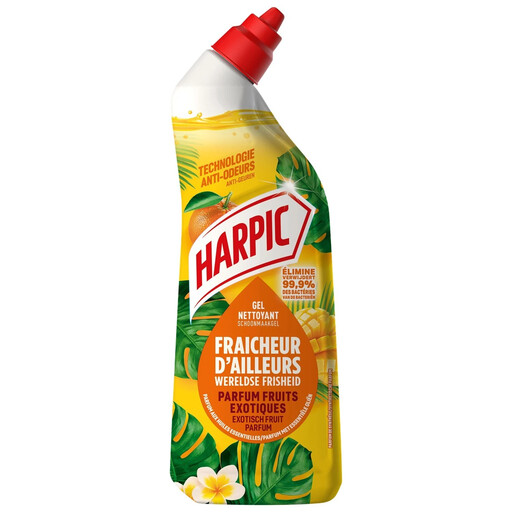
Why this choice suits this profile : Its standard size and under-rim application make regular toilet maintenance simple and quick.
The product information specifies that it is for toilets and recommends leaving it to work for a few minutes before brushing, then rinsing.
750 ml bottle, stated anti-odour action and exotic fruit fragrance.
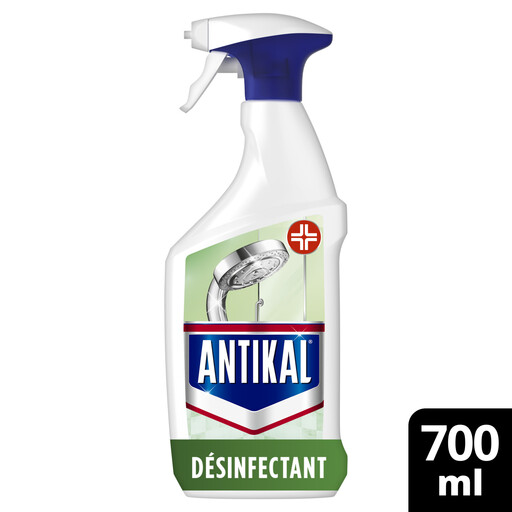
Why this choice suits this profile : The spray bottle is ideal for methodically cleaning bathroom surfaces such as tiles, washbasins, baths and shower screens.
The product information distinguishes between cleaning, limescale removal and disinfection, with a specified contact time to be observed.
700 ml format, precise spraying and stated action against limescale, water marks and soap residue.
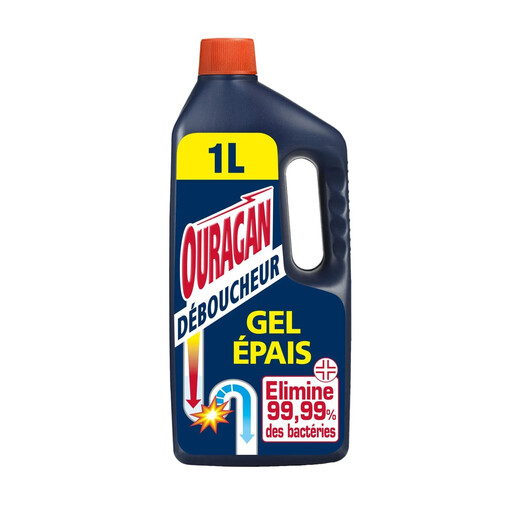
Why this choice suits this profile : Its one-litre format is suitable for occasional unblocking of household drains or drains in heavily used premises.
The product information reminds you not to mix it with other products, to ventilate the room and to rinse thoroughly after the stated contact time.
Thick gel, stated action time of 15 minutes and safety cap to be handled with suitable protective equipment.
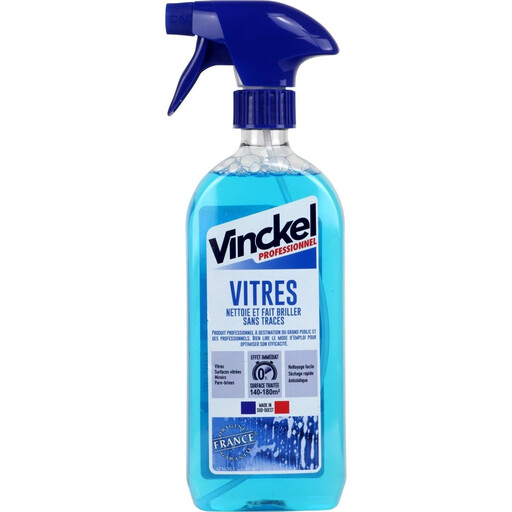
Why this choice suits this profile : The spray bottle and quick-drying formula are particularly practical for windows, mirrors and shop windows that are cleaned regularly.
The product information recommends testing compatibility on a small area and wearing gloves if necessary.
500 ml format, trigger spray and stated suitability for windows, mirrors and other glass surfaces.
We have put together a complete, real-time updated list of products that meet these demanding selection criteria and European safety regulations.
A limescale remover or bathroom cleaner designed for this purpose is suitable for water marks, soap residue and limescale. Always test it first on an inconspicuous area, particularly on natural stone, delicate grouting and taps with a specialist finish.
The shelf life depends on the formula and the manufacturer’s instructions. Check the expiry date, batch number and condition of the container. Chlorine-based products should remain closed and be kept away from heat and direct sunlight. If no period after opening is specified, note the purchase date and look out for any changes in smell, colour or texture.
Not necessarily. In many everyday situations, regular cleaning is sufficient. Disinfection can be reserved for situations specified on the label, frequently touched surfaces or certain specific needs. In all cases, use the product only for its intended purpose.