For a distinctly spicy herbal tea in a hotel café, start with a recipe where ginger takes centre stage, then follow its brewing instructions. A ginger and citrus blend offers a different kind of freshness, while a more indulgent spiced recipe brings a wider range of aromas. Before adding any option to the menu, check the ingredients, allergens and preparation format too.
What does each herbal tea offer?
A distinctly spicy cup
If guests ask for a herbal tea with a strong ginger flavour, check where ginger appears in the ingredients list and how much it contains, if a percentage is given. A ginger-only recipe and a flavoured blend won’t meet the same taste preference.
Aromatic flavours that aren’t all about ginger
To add variety to your hot drinks menu, a ginger and citrus or turmeric and fruit blend offers different flavours. Bear in mind that ginger may not be the dominant ingredient.
A warming, indulgent spiced cup
If guests are looking for several aromatic notes rather than the heat of ginger alone, explore recipes combining spices, cocoa or honey. A robust flavour doesn’t necessarily mean there’s more ginger in the blend.
What should you check before choosing?
For a hotel café, decide what flavour you’re looking for before comparing brewing instructions and the information you’ll need to share with guests.
| Criterion |
What to check |
Who it’s for |
| Ginger heat |
Check the order of the ingredients and the percentage of ginger, if stated. |
When guests ask for a distinctly spicy cup, I want to tell the difference between ginger taking centre stage and it being just one ingredient in a blend. Around 36% of consumers say this heat is their top priority. |
| Consistent service |
Compare the stated brewing time and temperature, as well as the volume of water if specified. |
If several people are preparing the drinks, I need instructions the team can follow consistently. Around 29% of consumers put consistency first. |
| Flavour profile |
Choose between ginger and citrus, turmeric and fruit, or spiced recipes, depending on the flavours you want to serve. |
For a menu that offers more than a very spicy taste, I look for an aromatic cup where citrus or spices also have a part to play. Around 21% of consumers prefer this variety of flavours. |
| Ingredient information |
Keep the ingredients list and allergen information to hand; check whether it contains tea if caffeine matters. |
When a guest asks about the ingredients, I need to be able to answer without guessing from the drink’s name. For around 14% of consumers, clear information is the main priority. |
What mistakes should you avoid when serving?
-
Presenting “detox” as a guaranteed effect
A term in the name of an infusion doesn’t prove that it offers a health benefit or tell you how strong it will taste.
Describe the ingredients and flavours on the menu. In France, the Directorate-General for Competition Policy, Consumer Affairs and Fraud Control reminds businesses that only health claims authorised under the applicable procedure may be used.
-
Confusing intense flavours with ginger taking centre stage
A citrusy or indulgent recipe can have plenty of character without delivering the ginger heat guests are looking for. Auchan states that Racines Bio is 100% ginger, while Pagès states that its Citron vert Gingembre Bio infusion contains 15% ginger. These are two different compositions, not a like-for-like measure of how the drinks taste.
If guests ask for a strong ginger flavour, read the ingredients before choosing. Pick a blend for its other flavours, not just because it’s described as “intense”.
-
Assuming that everything in the herbal tea aisle is caffeine-free
A range of hot drinks may also include tea. The European Food Safety Authority says that tea leaves naturally contain caffeine.
If this matters to a guest, check the ingredients for the product you’re serving instead of relying on where it’s stocked.
-
Using the same brewing instructions for every recipe
Brewing instructions vary by manufacturer. Pagès recommends 3 to 5 minutes at 90 °C for Citron vert Gingembre Bio, while Dammann Frères recommends 6 minutes at 100 °C for Magic Ginger and Tisane de Noël.
Note the instructions for each product on the service sheet rather than automatically increasing the brewing time to make a stronger cup.
A recipe that needs 5 to 6 minutes to brew also needs to fit the pace of service.
Brands and ranges to consider
Racines Bio / Les Infusions d’Afrique
The ginger-root product listed by Auchan is worth considering if you’re looking for an option centred on this ingredient.
- Auchan states that it contains 100% ginger, comes in tea bags and should be brewed for 5 minutes in boiling water.
- A recipe made entirely with ginger won’t suit the same preferences as a fruity or indulgent blend.
Pagès
Citron vert Gingembre Bio combines ginger with citrus notes in a tea-bag infusion.
- Pagès states that it contains 15% ginger and should be brewed for 3 to 5 minutes at 90 °C.
- Other ingredients contribute to the flavour, so this isn’t a ginger-only infusion.
Dammann Frères
Magic Ginger and Tisane de Noël are two options where ginger is paired with other aromas.
- Dammann Frères describes Magic Ginger as combining flavours including lime, and Tisane de Noël as featuring cocoa and spices. The brand recommends brewing both for 6 minutes at 100 °C.
- The complexity of these blends doesn’t guarantee a dominant ginger flavour.
Twinings
The Turmeric, Mango & Pineapple infusion is worth considering for a fruity, spiced cup that isn’t centred on ginger.
- Twinings states that it contains 40% turmeric and should be brewed for 5 minutes in 250 ml of water at 100 °C.
- This blend won’t suit guests specifically looking for a very spicy ginger flavour.
Carrefour Sensation
Carrefour Sensation Detox Infusion is an option to consider if you’re looking for a herbal, citrusy flavour for the menu.
- Carrefour lists ingredients including fennel, lemongrass, lemon, ginger and mint.
- Ginger isn’t listed as the main ingredient, and the product name doesn’t tell you how strong the ginger will taste.
Ginger infusions and drinks on Joybuy
These products offer two ways to serve a hot ginger drink: tea-bag infusions and instant mixes to dissolve in water. First, choose the preparation method that suits your café, then check the ingredients and the instructions for each cup.
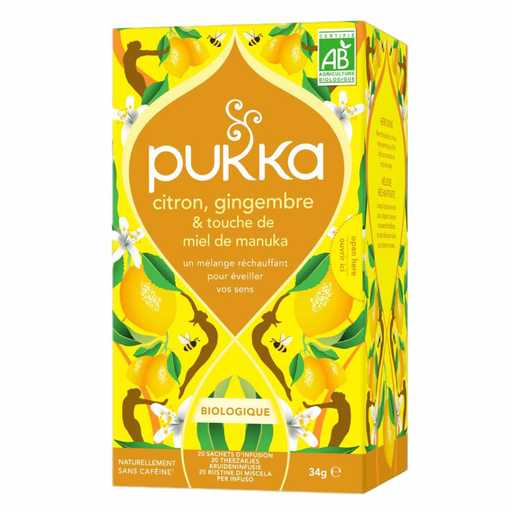 Image unavailable
PUKKA Manuka Honey with Lemon & Ginger, 20 tea bags
For serving a ginger and lemon tea-bag infusion rather than an instant drink. The box contains 20 tea bags. Check the packaging for the volume of water to use before setting your serving instructions.
View on Joybuy
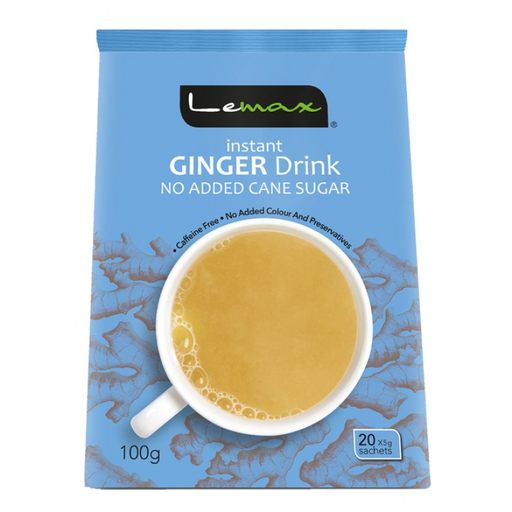 Image unavailable
Lemax Instant Ginger Drink No Added Cane Sugar, 100 g (20pcs)
For making an instant ginger drink rather than brewing a tea bag. The product title states 100 g and “20pcs”. Check how the portions are presented on the packaging, then set the serving size and volume of water for each cup before serving.
View on Joybuy
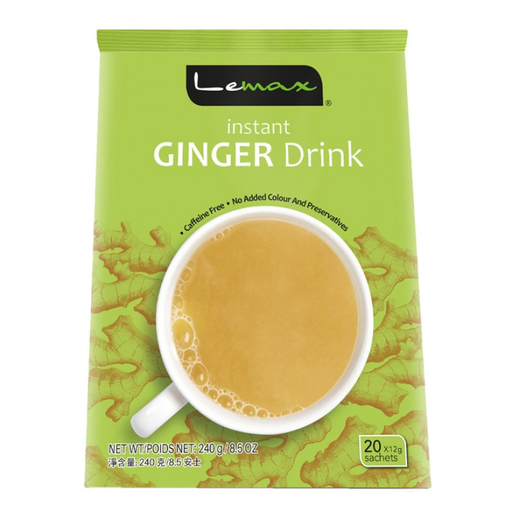 Image unavailable
Lemax Instant Ginger Drink, 240 g (20pcs)
For serving a portioned instant drink with consistent instructions for the amount of water to use. The listed pack size is 240 g for 20 portions. If your menu distinguishes between sweetened recipes, check the ingredients list before choosing.
View on Joybuy
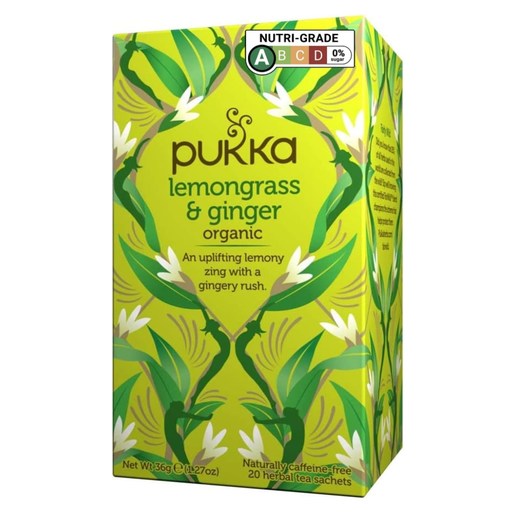 Image unavailable
PUKKA Lemongrass & Ginger, 20 tea bags
For a tea-bag infusion combining lemongrass and ginger, rather than a recipe focused on ginger alone. The box contains 20 tea bags. Check the packaging for the brewing time and temperature when preparing your service sheet.
View on Joybuy
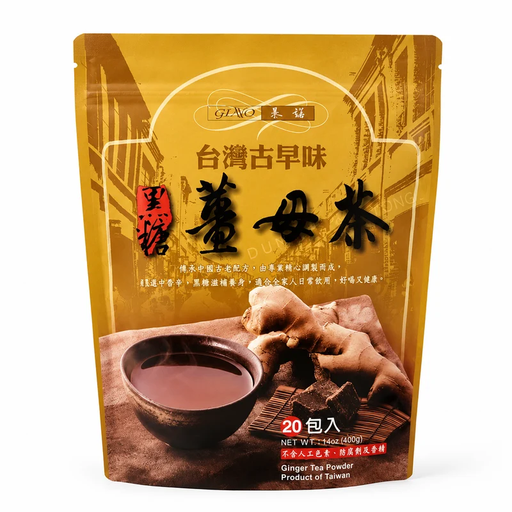 Image unavailable
GINO GINGER TEA POWDER, 400 g (20 sachets)
For serving an instant ginger drink in sachets, rather than presenting it as a tea to brew. The listed pack size is 400 g for 20 sachets. If a ginger-led flavour is your priority, read the ingredients list and check the packaging for allergen information.
View on Joybuy
Frequently asked questions
Does a strong-tasting herbal tea always contain caffeine?
No: “strong” describes the flavour here, not the caffeine content. However, check the ingredients for each product. The European Food Safety Authority says that tea leaves naturally contain caffeine.
How can you brew a robust cup consistently in a hotel café?
Follow the serving quantity and brewing instructions for the product you’ve chosen, then add them to your service sheet. Auchan recommends one tea bag and 5 minutes in boiling water for Racines Bio ginger root; Pagès recommends 3 to 5 minutes at 90 °C for Citron vert Gingembre Bio. A longer brew isn’t a rule that applies to every recipe.
Can you promise a “detox” effect on the menu?
Don’t present the name of an infusion as proof of a health effect. In France, the Directorate-General for Competition Policy, Consumer Affairs and Fraud Control reminds businesses that health claims must be authorised under the applicable procedure. When describing a herbal tea, stick to its ingredients and flavours.
What information should you keep to answer guests’ questions?
Keep the packaging or an up-to-date product sheet so you can check the ingredients and allergens for the product you’re serving. For prepacked foods, the Directorate-General for Competition Policy, Consumer Affairs and Fraud Control states that the label must include an ingredients list and highlight allergens, among other details. Make sure this information is accessible in a way that suits how your hotel serves its guests.


