For a hotel breakfast, don’t automatically swap stock cubes for an easy-to-dose bottle: cooking stock and a seasoning added a few drops at a time serve different purposes. Start by choosing according to what you’re making, then check the packaging, storage instructions after opening, allergens and salt content of the exact product.
Who are these formats for?
Teams preparing hot dishes
If breakfast includes soup or another recipe that needs a cooking base, look for stock rather than a table condiment. The MAGGI liquid stocks listed by Auchan are intended for cooking; their storage instructions after opening should also be factored into your kitchen’s preparation schedule.
Teams looking to season dishes at the last minute
A seasoning bottle is designed for a different use: adding a few drops to enhance a dish that’s already prepared. Auchan lists MAGGI Arôme and Knorr lists Viandox as liquid seasonings, not as stocks to use in place of cubes in a recipe.
Buffet managers responsible for food information
When stock or a condiment is used in a dish served to customers, check the ingredients, allergens and salt content of the product you’re using. Keep allergen information linked to each dish, especially if the recipe or the product you buy changes.
What should you check before buying?
Your choice depends first and foremost on what the product is for: making stock in the kitchen or adding seasoning to a dish. The packaging alone isn’t enough to tell the difference.
Liquid stock in a carton
Choose this if: your kitchen needs ready-to-use liquid stock for a hot recipe.
Keep in mind: the MAGGI liquid stocks listed by Auchan should be kept in the fridge and used within 3 days of opening; they’re not table-top dosing bottles.
Stock cubes or tablets
Choose this if: your team makes stock as needed while cooking and prefers solid portions to an opened liquid product.
Keep in mind: add them according to the instructions for the product you choose; they aren’t designed for dispensing a few drops at the buffet.
Liquid seasoning
Choose this if: you want to add flavour to a dish in small quantities, rather than create a cooking base.
Keep in mind: MAGGI Arôme and Viandox are described as seasonings to use a few drops at a time, not as substitutes for stock cubes.
| Criteria |
What to check |
Relevant to |
| What the product is for |
Read the product name and directions to distinguish a cooking base from a seasoning added a few drops at a time. |
I’m making a recipe that needs real stock and don’t want to buy a condiment instead; around 33% of consumers would put this distinction first. |
| Allergens |
Check the ingredients for the exact product and the information associated with every dish you serve. |
If an ingredient is used in several buffet dishes, I need to be able to identify the allergens in each one; this would be the top priority for around 27% of consumers. |
| Storage and quantity |
Compare how much you’ll use with the storage instructions after opening; for the MAGGI liquid stocks listed by Auchan, allow 3 days in the fridge. |
If I don’t prepare hot dishes often, I’m looking for a format I can use up in time; around 27% of consumers would make this their first criterion. |
| Salt |
Compare the “salt” line in the nutritional information with the amount actually added to the recipe. |
I want to decide on the final seasoning in the kitchen rather than rely on the product name alone; around 13% of consumers would put control over salt first. |
Mistakes to avoid in the kitchen and at service
-
Assuming every liquid product is stock
Bottled seasonings such as MAGGI Arôme or Viandox are used in small quantities to enhance a dish. They don’t serve the same purpose as stock used as a cooking base.
Before buying, check the product name and directions against the recipe you plan to make.
-
Opening a carton without planning how you’ll use it
The instructions for the MAGGI liquid stocks listed by Auchan say to keep them in the fridge and use them within 3 days of opening.
Match the pack size to the dishes you plan to prepare during that period; if you use stock irregularly, compare solid formats too.
Any leftovers not used within the stated period should be discarded.
-
Changing the product without updating allergen information
Adding stock or seasoning to a dish can change the list of allergens you need to communicate. If you can’t identify the product used, the information associated with the dish may become unclear.
Keep the label for the product you use and update the information for each dish whenever the product or recipe changes.
-
Relying on a general claim to judge a recipe
A claim such as “natural” or “salt-free” doesn’t, on its own, tell you everything about the ingredients or the seasoning eventually added. Anses lists condiments and sauces among dietary sources of sodium.
Check the ingredients, allergens, “salt” line and directions for the exact product. Don’t assume that a dish will suit everyone’s dietary needs.
Brands to consider, depending on the format you need
MAGGI
The range listed by Auchan includes liquid vegetable and chicken stocks, as well as MAGGI Arôme, which is in the liquid seasoning category.
- Liquid stocks can be used as a base for hot dishes; their product information includes storage instructions for after opening.
- Don’t confuse MAGGI Arôme with these stocks. Check its ingredients, including the declared wheat proteins, before using it in food service.
Knorr
Knorr offers stock in several formats, a range of salt-free stocks and Viandox as a liquid seasoning.
- Choosing between stock and seasoning lets you start with the intended use, whether in the kitchen or at the table.
- Viandox isn’t a stock base; check the allergens declared for the product you buy.
Carrefour
The Carrefour range includes, among other products, dehydrated and liquid stocks.
- These formats let you compare stock that needs to be reconstituted with stock that’s already liquid.
- Check the information for each recipe: the format alone doesn’t tell you the ingredients or the storage instructions after opening.
Auchan
The Auchan range includes, among other products, vegetable- and chicken-flavoured stock cubes and other cooking aids.
- Cubes are worth considering if your kitchen is looking for stock in solid portions.
- Before deciding to use a product at breakfast, check the name, ingredients and directions for the one you’ve chosen.
E.Leclerc
The Eco+ and Marque Repère ranges listed by E.Leclerc include stock tablets and other stocks for cooking.
- You can compare recipes and pack sizes according to the dishes you actually prepare.
- Allergens vary by product: the product information for Eco+ chicken stock, for example, mentions possible traces of gluten, milk and eggs.
Stock for preparing hot dishes
These Joybuy products are stocks or bases for use in cooking: cubes, tablets, solid portions and vegetable stock. If you need a squeeze bottle for service, check the product’s purpose and packaging separately; these products aren’t listed as squeeze bottles.
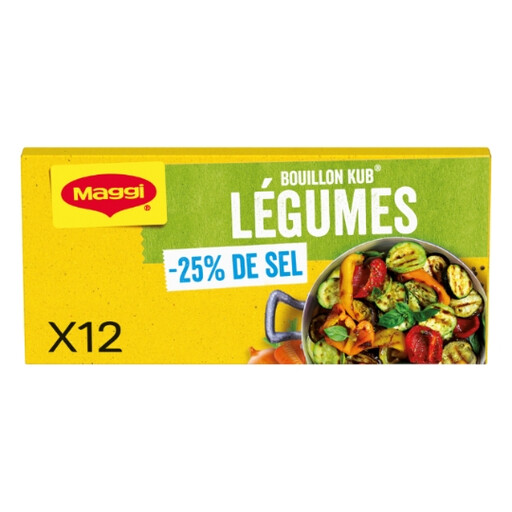 Image unavailable
MAGGI KUB 25% Less Salt Vegetable, 120 g
For making vegetable stock in the kitchen, this product comes in cubes rather than a squeeze bottle.
“25% Less Salt” is part of the product name; check the nutritional information and allergens on the packaging for the product you use.
View on Joybuy
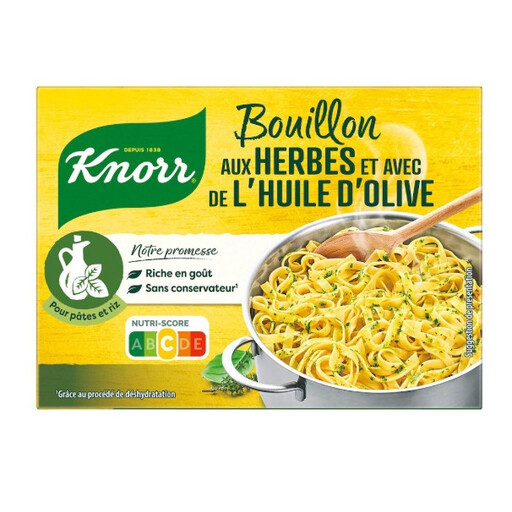 Image unavailable
Knorr Herb & Olive Oil Bouillon, 15 tablets, 150 g
For a hot dish that needs stock, these 15 tablets offer a solid format, not a seasoning to dispense a few drops at a time.
Follow the dosage instructions on the pack you buy before deciding how much to use in a recipe.
View on Joybuy
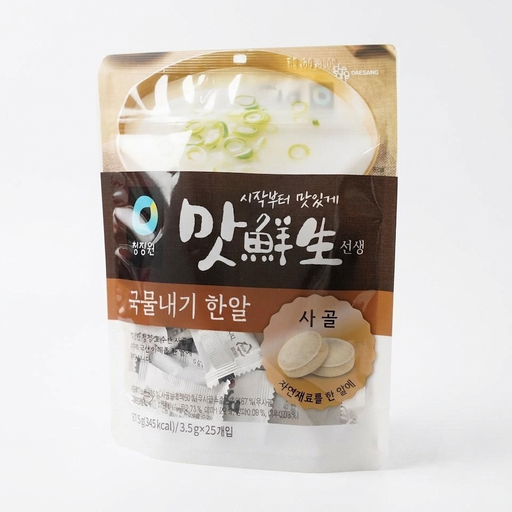 Image unavailable
Daesang Beef Bone Coin Stock, 52,5 g
This beef stock base in solid portions is worth considering for a cooked recipe, but it isn’t a product in a squeeze bottle.
Check the ingredients, allergens and “salt” line on the packaging before adding it to dishes you serve.
View on Joybuy
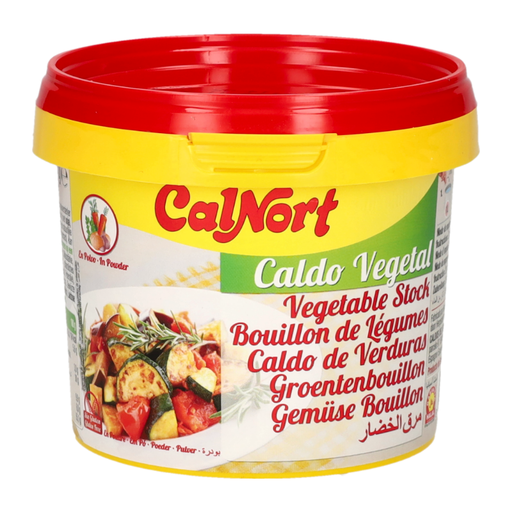 Image unavailable
Calnort Bouillon Vegetable (Middle), 250 g
For a recipe that calls for vegetable stock, this 250 g product is intended for cooking, not for dispensing from a squeeze bottle at service.
Check the packaging to find out how much to use for each dish and to check the allergens.
View on Joybuy
Frequently asked questions
Can a squeeze bottle replace stock cubes at breakfast?
Not simply because it contains a liquid: first check whether the product is cooking stock or a seasoning. The MAGGI liquid stocks listed by Auchan come in cartons, while MAGGI Arôme and Viandox are seasonings to use in small quantities.
How long can you keep liquid stock once it’s been opened?
The instructions for the MAGGI liquid vegetable and chicken stocks listed by Auchan say to keep them in the fridge and use them within 3 days of opening. Check the packaging for the product you’ve bought before applying this time limit to another product.
How should you tell customers about allergens in a dish containing stock?
Make sure allergen information reflects the ingredients actually used in each dish. The French Consumer Code provides that consumers must be informed, in accordance with the applicable requirements, when ingredients that cause allergies or intolerances are used and remain in the finished product. Check the label and update the information if the recipe changes.
Does a seasoning bottle make it easier to control salt?
The format alone won’t tell you: compare the “salt” line in the nutritional information with the amount added to the dish. Anses lists condiments and sauces among dietary sources of sodium. If your kitchen wants to decide how much salt to add, it could also consider a salt-free stock product, such as those listed by Knorr, while checking the exact recipe.


