To make hot chocolate quickly at work, first choose a powder that suits the milk or water and equipment you have, then check the pack size and how it seals. Compare sugar levels on the same nutritional basis: a higher cocoa content doesn’t mean the recipe is low in sugars, and a large pack takes up more cupboard space.
What will you use it for at work?
A break with access to a kitchenette
If you have milk and a suitable way to heat it, check the amount needed per cup and which liquid the instructions call for. A resealable pack that can be stored in a cupboard is also useful if you’ll be using it regularly.
Comparing sugar content carefully
If the ingredients are an important part of your choice, compare the ‘of which sugars’ line and ingredients for the specific variant, using the same basis. As the DGCCRF points out, Nutri-Score is voluntary in France, so its absence is no substitute for checking the nutritional information.
A cupboard shared with colleagues
If several people will be using the same pack, choose a quantity that suits how often you’ll make it and the space available. Check how to reseal the powder and the storage instructions.
What should you check before buying?
For a cup during a short break, start with the instructions and the equipment you have. Then compare the recipe and the amount you can store properly.
| Criteria |
What to check |
Who is it for? |
| Preparation |
The liquid required and amount per cup; whether the pack can be resealed or individual portions are available. |
If my break is short, I want to know whether I can make a cup with the liquid and equipment available. Around 40% of consumers would put ease of preparation first. |
| Sugars and ingredients |
The ‘of which sugars’ line on the same basis, followed by the ingredients and allergens for the variant you’ve chosen. |
When choosing a recipe, I’d rather read its ingredients than guess its sugar content from the name or the cocoa content shown. Around 30% of consumers would make this their priority. |
| Pack size and storage |
The net weight, available space, seal and storage instructions after opening. |
In a shared cupboard, I’m looking for an amount that my colleagues and I will use regularly, without leaving a pack open for too long. Around 20% of consumers would prioritise this. |
| Cocoa profile |
The cocoa percentage for the exact product and its other ingredients, without treating the percentage as a measure of taste. |
If I’m looking first for a recipe with a stronger cocoa profile, I compare the variants while also considering the rest of their ingredients. This would be the priority for around 10% of consumers. |
Mistakes to avoid
-
Relying on Nutri-Score alone
According to the DGCCRF, Nutri-Score is a voluntary label in France. If it appears on a product, it doesn’t tell you everything about the sugars, ingredients or prepared serving on its own.
Also check the nutritional information and ingredients list for the product you’ve chosen.
-
Comparing powder and prepared drinks as if their values were equivalent
A value per 100 g of powder can’t be compared directly with a value per 100 ml of prepared drink, particularly if it contains milk.
Use the same units when comparing sugars, and check how much powder is recommended per cup.
-
Choosing a large pack without planning where to store it
A 1 kg pack takes up space and is best suited to regular use. Some recipes need to be kept away from heat and moisture.
Check the container’s seal, storage instructions and how much space you have at work.
A pack that isn’t used often or isn’t stored properly could end up going to waste.
-
Guessing sugar content or allergens from the cocoa percentage alone
A recipe with a higher cocoa content may also contain sugar. Ingredients and allergen information vary between products.
Check the cocoa percentage, the ‘of which sugars’ line and the allergen information separately on the pack you buy.
Brands to know
Poulain
The range includes powders with different declared cocoa contents, depending on the recipe.
- The Auchan product listing for Grand Arôme 32 % states that it contains 32 % cocoa, making it easy to distinguish from other variants.
- The same listing states that it contains 66 g of sugars per 100 g. Another Poulain variant is prepared with hot milk, so always check the exact product.
Nesquik
Carrefour lists a standard product as well as one labelled ‘Less Sugars’.
- These variants let you compare different recipes within the range.
- A variant’s name is no substitute for checking its nutritional values, ingredients and allergen information.
Banania
Carrefour features a recipe that includes cocoa, biscuit cereal, dried banana and honey.
- Its ingredients list helps you identify this type of recipe before buying.
- For the 1 kg product described by Carrefour, sugar is listed first, and the cereals include wheat and barley.
Carrefour Classic'
Carrefour lists several hot chocolate powders under its own brand, with different recipes and pack sizes.
- The pack sizes available let you choose an amount that suits the space you have and how often you’ll use it.
- Check the ingredients and nutritional information for each variant rather than assuming they’re the same across the range.
P'TIT DELI (Marque Repère E.Leclerc)
E.Leclerc features an instant hot chocolate mix in a 1 kg pack.
- The product listing shows a Nutri-Score B and nutritional values per 100 ml of prepared drink.
- Sugar is the first ingredient listed, and the product listing mentions traces of milk. When comparing it with a powder labelled per 100 g, bear in mind that the values use different bases.
Hot chocolate powders to consider on Joybuy
This selection includes powders in packs, a 1 kg size and individual sachets for making hot chocolate at work. Choose according to the liquid available, how much you’ll use and the ingredients in each recipe. If the product will be kept in a shared cupboard, check how it seals.
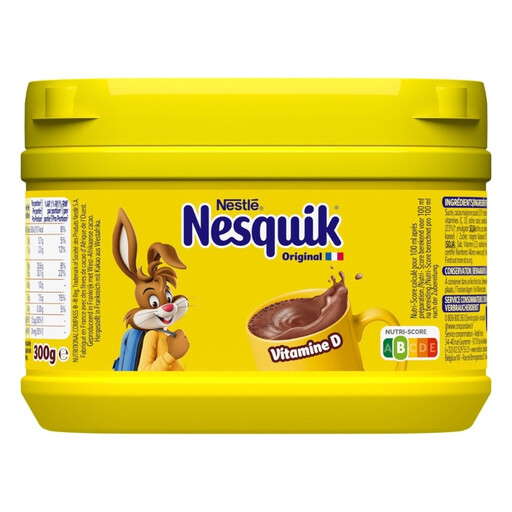 Image unavailable
Nesquik Original, 300 g hot chocolate powder
Worth considering if you have milk at work, whether hot or cold. The instructions recommend around 13.5 g of powder per 200 ml of milk. The recipe contains 23% cocoa, and the product listing states that it has 75 g of sugars per 100 g of powder. It also indicates that it contains soya and may contain traces of milk.
View on Joybuy
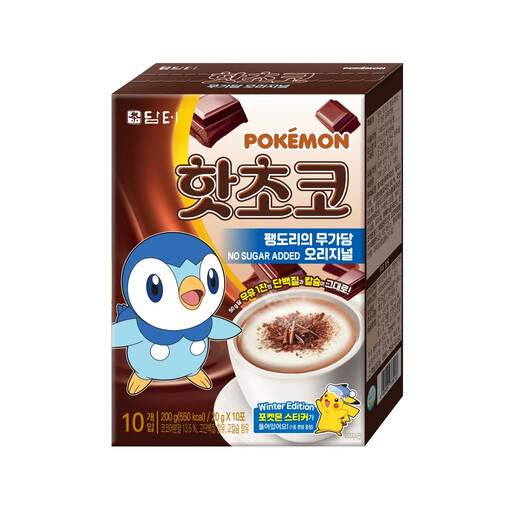 Image unavailable
DAMTUH Pokémon, hot chocolate, 10 x 20 g sachets
Individual sachets mean there’s no need to measure powder from a shared pack. The instructions recommend mixing one 20 g sachet with around 110 ml of hot water or hot milk. The product listing shows 0 g of sugars per 100 g of powder, but the recipe includes ingredients such as maltitol and starch syrup. Milk and soya are also indicated.
View on Joybuy
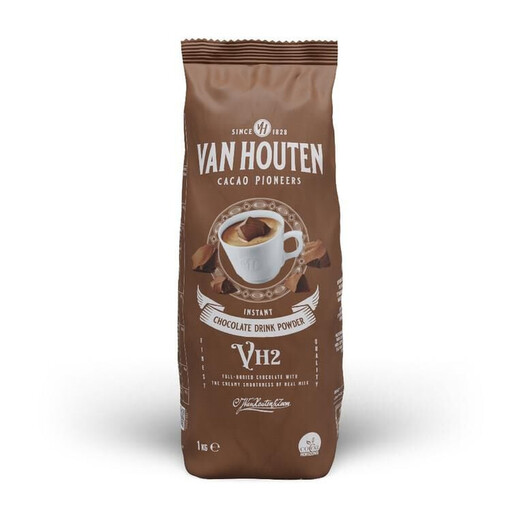 Image unavailable
VAN HOUTEN VH2, 34% hot chocolate powder, 1 kg
The 1 kg pack could suit regular use if you have room to store it. The instructions recommend making it with hot milk, so check the amount you’ll need per cup. The product listing states that it contains 34% cocoa and around 60 g of sugars per 100 g of powder. It also indicates that it contains milk and may contain traces of nuts.
View on Joybuy
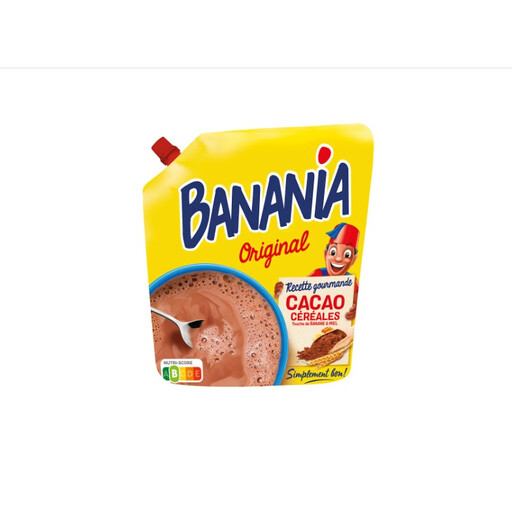 Image unavailable
Bananina Original, 1 kg hot chocolate powder
This 1 kg pack is better suited to regular or shared use, and the product description recommends making it with hot milk. The product listing states that it contains 19% cocoa and 69 g of sugars per 100 g of powder. It indicates that it contains wheat and barley and may contain traces of milk and soya. Check the amount per cup on the pack.
View on Joybuy
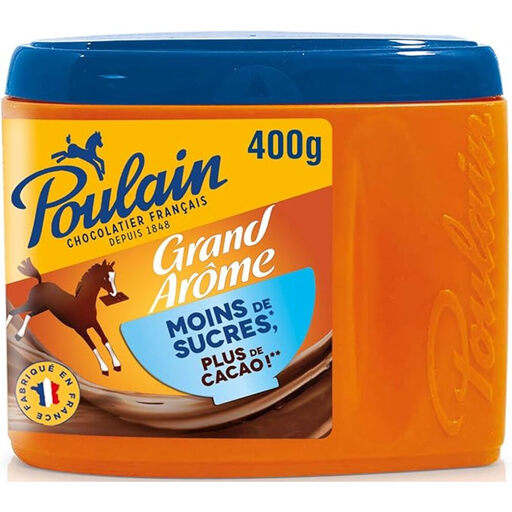 Image unavailable
POULAIN Cocoa with Rich Flavor, 400 g
This 400 g pack is a smaller option than a 1 kg pack, while offering a recipe that states it contains at least 47% cocoa. The product listing also states that it has 52 g of sugars per 100 g of powder. Check the serving size, preparation instructions and allergen information on the pack.
View on Joybuy
Frequently asked questions
Is Nutri-Score compulsory on hot chocolate powder in France?
No. The DGCCRF describes Nutri-Score as a voluntary labelling system. If it’s displayed, you can use it alongside the ingredients list and nutritional information for the product you’ve chosen.
How can you check the allergens in hot chocolate powder?
Read the ingredients and check the allergens highlighted on the pack for the variant you’re buying. Depending on the recipe, the products listed may contain milk, soya, wheat or barley. The brand name alone isn’t enough to assess a different product.
What do you need to make a cup at work?
Follow the instructions for the liquid and amount required for your chosen product, and make sure you have the necessary equipment. For example, the Auchan listing for a Poulain Grand Arôme variant recommends 15 g of powder and 200 ml of hot semi-skimmed milk, so you’ll need milk and a way to heat it.


