
Livraison le jour même ou le lendemain

Qualité garantie

Débloquez vos offres de bienvenue: Livraison GRATUITE | Jusqu'à -80 % | 30 jours d'essai gratuits à JoyPlus
Téléchargez l'application
The world of hot sauce is as vast as it is fascinating. Between a Sichuan chilli oil, a Mexican habanero pepper sauce, and the iconic Tabasco sauce, it's easy to get lost. Every bottle promises a unique experience, but how do you choose the condiment that will truly elevate your dishes, not just overwhelm them with heat?
This guide is here to bring you some clarity. Our mission: to help you navigate this ocean of flavour and find the chilli sauce that truly matches your taste and cooking style. Let's explore the essential criteria for making the right choice.
Before you commit to a bottle, you need to understand what sets one hot sauce apart from another. Three main criteria will guide your choice.
The base of the sauce defines its texture and flavour profile.
Geography plays a decisive role in the character of a hot condiment.
A good hot sauce is about much more than its Scoville rating. The harmony of its ingredients is just as crucial. An ingredient list that mentions spices, herbs, garlic, or smoky notes is often a good sign. This is what transforms a simple source of heat into a true flavour enhancer.
To get you started, here are three sauces with distinct profiles. Each represents a different facet of the spicy world.
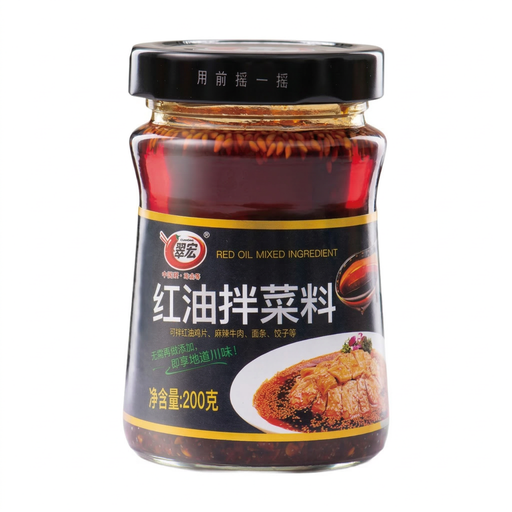
Why it stands out: This chilli oil is a gateway to Sichuan cuisine. Forget brute heat; it offers a deep warmth and complex aromas, typical of the famous red oil ("hong you") used in the region's cold dishes and noodles.
Pros:
Who is it for? Fans of Asian cuisine who want to add an authentic Sichuan touch to their dishes. An excellent starting point if you're more interested in the aroma of the chilli than its raw power.
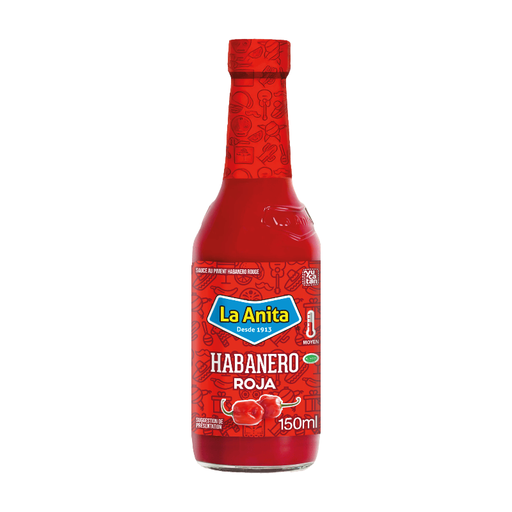
Why it stands out: This habanero pepper sauce is a concentration of Mexican generosity. With 27% Habanero pepper, it delivers a bold, assertive heat, rounded out by smoky notes that make it incredibly addictive.
Pros:
Who is it for? For those looking for a hot sauce with a serious kick to liven up rich dishes. It will appeal to palates already accustomed to heat that packs a punch and who will appreciate its smoky depth.
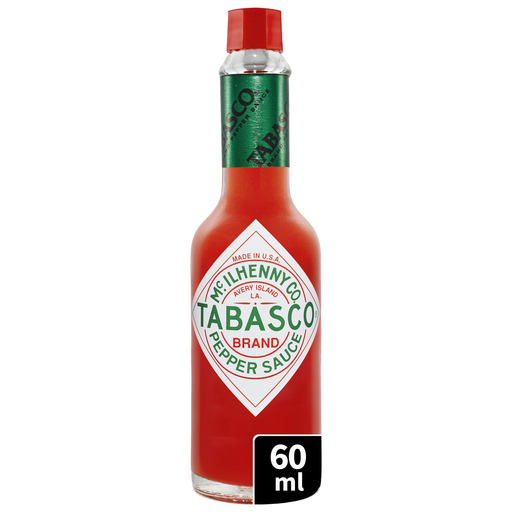
Why it stands out: Simply put, a timeless classic. The Tabasco sauce recipe is based on three ingredients: red pepper, salt, and distilled vinegar. The secret? It's aged in oak barrels, which develops its unique flavour.
Pros:
Who is it for? Absolutely everyone. This is the sauce you should always have in your cupboard. Ideal for beginners and connoisseurs alike who never tire of its iconic taste and rock-solid reliability.
Your exploration of flavours and colours doesn't have to stop at your plate. If you appreciate bold, unconventional touches, why not dare to be different in a whole new category? Take a look at our collection of [Table de maquillage rouge] to add a bold statement to your home.
For Asian dishes and noodles, a chilli oil like Cuihong is perfect. On a pizza, the acidity of Tabasco cuts through the richness of the cheese beautifully. For red meats and grilled foods, opt for a thicker, smokier sauce like the La Anita habanero pepper sauce.
Most vinegar-based sauces keep very well at room temperature. For oils or purées, storing them in the refrigerator is recommended to preserve their freshness. When in doubt, always follow the instructions on the packaging.
It's primarily a matter of the base. A chilli oil is an infusion of peppers (and often spices) in oil, which gives it richness and aromatic complexity. A hot sauce is typically a purée or emulsion made from peppers, vinegar, and/or water, with a flavour profile that is often brighter and more acidic.