
Livraison le jour même ou le lendemain

Qualité garantie

Débloquez vos offres de bienvenue: Livraison GRATUITE | Jusqu'à -80 % | 30 jours d'essai gratuits à JoyPlus
Téléchargez l'application
Tired of lacklustre meals? A good hot sauce has the power to transform a mundane dish into a memorable experience. But with the jungle of available options, it's hard to know where to start. Between fermented, vinegar-based, smoked, or fruity sauces, how do you unearth the hidden gem that will elevate your meats, pizzas, or noodle bowls?
This guide is here to help you demystify the fascinating world of chilli sauce. We'll give you everything you need to know to choose the hot sauce that will earn its place in your kitchen and on your favourite dishes.
Before you take the plunge, review these criteria to refine your selection and find the bottle that will become a permanent fixture in your fridge.
The chilli pepper, the star ingredient, sets the tone: it defines both the flavour and the intensity of the sauce. A Jalape?o or an Espelette pepper offers a mild, approachable heat, while a Habanero or a Ghost Pepper will instantly turn up the heat. While the Scoville scale is a good technical benchmark, the pepper's aromatic profile is just as crucial. A habanero sauce, for example, is known for its fruity and floral notes that balance its fiery power.
A hot sauce is more than just its heat. Its entire character depends on its preparation method:
The consistency of the sauce directly influences its use. A very liquid sauce is easy to dose drop by drop to finish a dish. Conversely, a chopped chilli or a thick paste integrates wonderfully into a marinade, a stir-fry, or can even be enjoyed as is, like a condiment in its own right.
To get you started, here is our selection of sauces with distinctly different profiles, for every palate and every occasion.
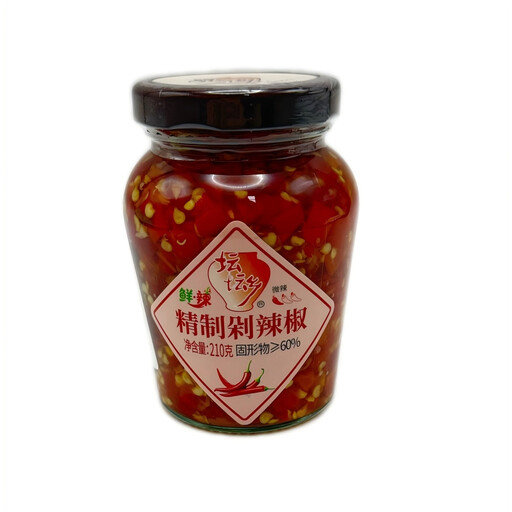
Why it stands out What makes it unique is its texture. Forget liquid sauce; this is a chopped blend of fresh chillies prepared according to a traditional method from the Hunan region of China. This process preserves all the aromatic complexity of the chilli, here enhanced with garlic and fermented black soybeans.
Key features
Who is it for?? For cooks who want to add not only heat but also substance to their Asian-inspired dishes. It's the perfect alternative to liquid sauces for those who love a rich condiment that you could almost eat by the spoonful.
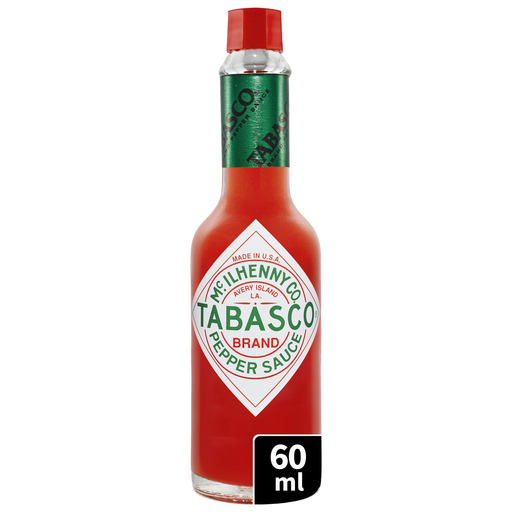
Why it's an iconTabasco sauce is a legend, an absolute benchmark for over 150 years. Its recipe is as simple as it is brilliant: red peppers, distilled vinegar, and salt. That's it. Its secret? The pepper mash is aged in oak barrels for three years, which gives it its unique taste.
Key features
Who is it for?? For absolutely everyone. It's the Swiss Army knife to have in your cupboard, whether you're a curious novice or a seasoned enthusiast looking for a reliable choice. Its fluidity and instantly recognisable taste make it a brilliant all-rounder.
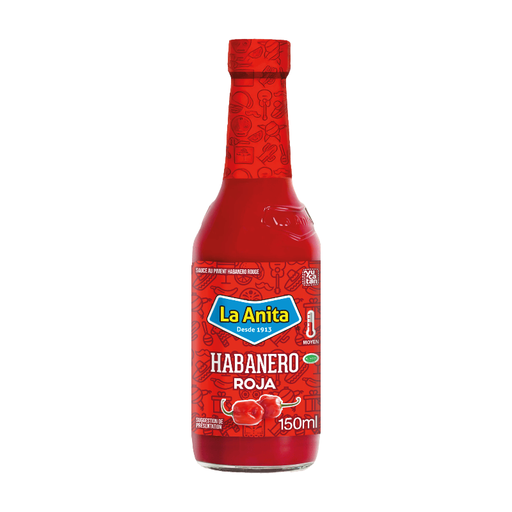
Why it brings the heat This sauce shines a spotlight on a pepper with character: the Habanero. With 27% habanero pepper, it delivers a powerful heat, rounded out by smoky notes typical of Mexican cuisine. An authentic habanero sauce, designed for those who aren't afraid of a little fire.
Key features
Who is it for?? For flavour explorers who want to dive into the richness of world hot sauces and the authentic tastes of Mexico. Ideal if you're looking for a more fragrant and complex heat than a simple vinegar-based sauce.
Our selection is just a taste of the infinite possibilities the world of hot sauces has to offer. Every region, from Asia to the Americas, has its own recipes and signature peppers. To explore more options, mix things up, and continue to surprise your taste buds, feel free to browse our complete collection.
Discover our full range of condiments on our red table page.
1. How should I store hot sauce after opening? Most high-vinegar sauces can be stored at room temperature without any issues. For others, especially those containing fresh ingredients like the Tan Tan Xiang chopped chilli, it's safer to keep them in the refrigerator after opening to preserve their freshness. When in doubt, always refer to the instructions on the label.
2. What's the difference between a hot sauce and chopped chilli? It's all a matter of texture and preparation. A chilli sauce is generally liquid or creamy, made by blending peppers with vinegar, water, or other ingredients. Chopped chilli, on the other hand, consists of visible pieces of pepper preserved in oil or brine, providing more bite and substance.
3. How do I properly dose hot sauce in a dish? The golden rule: always start small! The effect of the chilli isn't always immediate and can build in intensity. Remember that it's always easier to add more than to take it away. For the most extreme sauces, use the tip of a knife or dose it drop by drop. Taste, wait a few seconds, and adjust until you find the level of heat that's right for you.