Asian fondue, or hot pot, is more than just a meal—it's a ritual, a warm and convivial moment of sharing. However, recreating the complex and authentic flavors of a great restaurant at home can feel like an impossible task. The secret to a successful hot pot? It all comes down to one thing: the broth. And when faced with the jungle of available options, it's easy to get lost.
As the Head of Product Curation at Joybuy, my mission is to clear the path for you. This guide will shed light on the different types of hot pot broths and introduce our top product picks to help you find that perfect gem, whether you're a fan of spicy flavors or a lover of comforting broths.
How to Choose Your Asian Fondue Base
Before diving in headfirst, a few simple criteria will help you find the perfect broth for you and your guests.
1. The Flavor Profile: Spicy, Umami, or Mild?
It's all a matter of taste. Hot pot broths fall into three main families:
- Spicy and Aromatic: The undisputed star of this category is the spicy mala soup, originating from the Sichuan province. It's famous for its dual sensation: the heat of the chili (la) and the numbing, citrusy effect of Sichuan peppercorn (ma). A bold choice for thrill-seekers.
- Rich and Umami: If you prefer depth over sheer power, Japanese broths are an excellent option. Tonkotsu broth, made from slow-simmered pork bones, offers a creamy texture and a comforting umami flavor. It's a classic for Japanese nabe hot pot.
- Mild and Tangy: For a meal that will please everyone, including children, tomato broth is a sure thing. Its tangy and slightly sweet base is both flavorful and far more approachable than spicy broths.
2. The Format: Convenience is Key
Hot pot bases typically come in two forms:
- Ready-to-use liquid: Simply pour the broth into your pot and bring it to a boil. This is the hassle-free option, perfect for a spontaneous at-home hot pot kit.
- Concentrated paste or sachet: More compact, this Chinese hot pot base is diluted in water or chicken stock. The advantage: you can adjust the intensity of the flavors to your liking.
3. The Origin: Chinese Hot Pot or Japanese Nabe?
While both traditions celebrate conviviality, their flavor palettes are radically different. Chinese hot pot often explores bolder, more complex flavors (mala, medicinal herbs). Japanese nabe, on the other hand, favors more subtle broths that highlight the quality of the ingredients (tonkotsu, kombu, miso).
Recommended Hot Pot Broths
To whet your appetite, here are three of our favorite recommendations, each offering a unique culinary journey.
DAISHO Japanese Hot Pot Soup Base, Ippudo Tonkotsu Style 750g
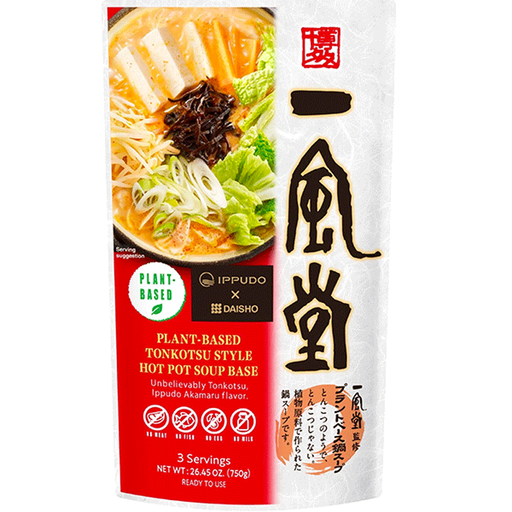
- Why it stands out: This base is inspired by the signature tonkotsu ramen flavor of the famous Ippudo restaurant. It delivers a rich, creamy pork broth with a deep, perfectly balanced umami flavor for fondue.
- Advantages: Its 750g liquid format is ready to use, perfect for a meal with family or friends. Ultra-versatile, it can be used for hot pot as well as for making noodle soup or homemade ramen.
- Who is it for? For lovers of authentic Japanese flavors, those seeking a comforting and non-spicy tonkotsu broth, and anyone who wants to host a Japanese nabe hot pot without any hassle.
HAIDILAO Hot Pot Soup Base, Clear Oil Mala Flavor 220g
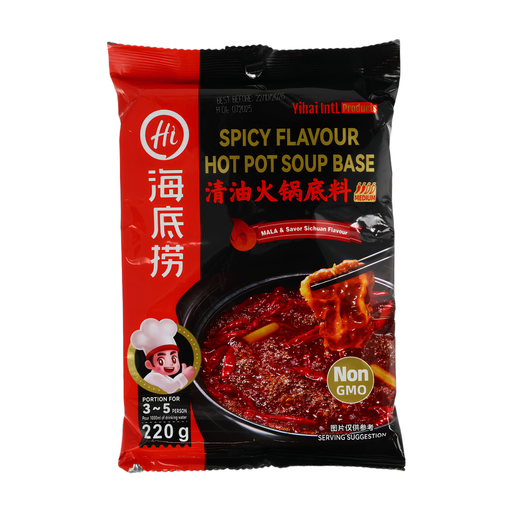
- Why it stands out: Offered by the Haidilao restaurant chain, a global benchmark in hot pot, this base guarantees an authentic mala experience. It combines Spanish chilis and Sichuan peppercorn in a clear soybean oil base for intense heat and its characteristic numbing sensation.
- Advantages: The 220g concentrated format is incredibly efficient: it's enough to prepare a large pot of broth. It can also be used in small amounts to spice up stir-fries (Mala Xiang Guo) or braised dishes.
- Who is it for? For thrill-seekers and those who want to experience the authentic kick of a spicy mala soup. This is the ultimate Chinese hot pot base for palates that aren't afraid of a challenge.
HAIDILAO Hot Pot Base, Tomato Flavor 200g
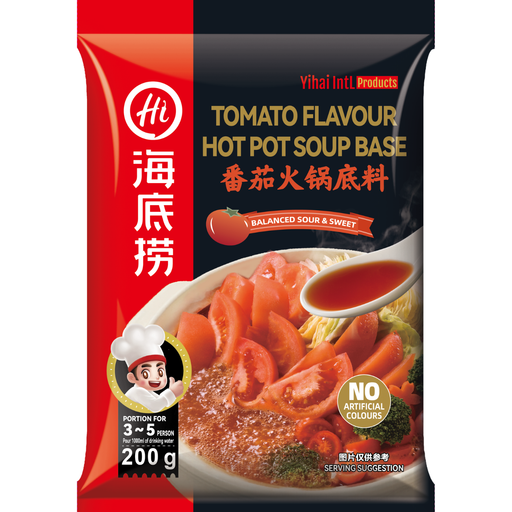
- Why it stands out: Also from the Haidilao range, this tomato base offers a mild, flavorful, and slightly tangy alternative. Its rich, natural tomato flavor makes it a crowd-pleasing option.
- Advantages: Incredibly versatile, it can be used as a base for hot pot, but also for noodle soups, stews, or even pasta sauces. Its fruity, umami taste adds a beautiful complexity without a hint of spice.
- Who is it for? Ideal for family meals with children, for those new to hot pot, or for anyone wanting to offer a milder second broth alongside a mala version. A perfect choice for a tomato broth that everyone will agree on.
Can't Find What You're Looking For? Explore Other Flavors
Our selection is just a taste. From mushroom and seafood to medicinal herb broths, the world of hot pot is infinitely rich.
To discover an even wider range and unearth the perfect gem to satisfy your cravings, explore our complete category.
? Discover all our hot pot soup base seasonings
Frequently Asked Questions About Hot Pot Broth
How do I prepare hot pot broth from a concentrated base?
It couldn't be simpler. Empty the paste from the sachet into a hot pot or a large saucepan. Add the amount of water or broth (chicken, vegetable) indicated on the package, usually between 800 ml and 1.5 L. Bring to a boil, then let it simmer for a few minutes to release the aromas before you start dipping your ingredients.
What's the difference between a mala broth and a tonkotsu broth?
They're night and day! Mala broth is Chinese (Sichuan): its flavor is bold, spicy, and slightly numbing thanks to the famous Sichuan peppercorn. It often has a red, oily appearance. Tonkotsu broth, on the other hand, is Japanese: non-spicy, it is distinguished by its milky, almost creamy texture and its deep umami flavor, derived from a long simmering of pork bones.
Do I need special equipment to make hot pot at home?
An electric hot pot with a divider is ideal for offering two broths at once, but it is by no means required. A good cast-iron Dutch oven, a fondue pot, or a simple saucepan on a portable burner in the center of the table will do the job perfectly for your at-home hot pot kit. The important thing is to keep the broth at a gentle simmer.


