To make hot chocolate at uni, choose sachets if you want to take a pre-measured portion with you. A small tin or multipack works if you can measure out the powder and carry your portions in a suitable container. Check that you’ll have access to a liquid to make your drink, then compare the sugars, ingredients and allergens in the exact recipe. According to Santé publique France, Nutri-Score is voluntary, so its absence is no substitute for checking the nutritional information.
Which format is right for you?
Students making a drink away from home
If you’re making your drink on campus or in halls, a sachet means you don’t have to take the whole tin with you. You can also measure out a portion of powder into a small airtight container, as long as you can measure it and have a liquid to make your drink. Carrefour, for example, lists a Nestlé box containing 12 sachets of 13.5 g.
Students keeping an eye on sugars and ingredients
Compare the nutritional values on a like-for-like basis, then check the portion you plan to make. For a “less sugar” recipe, also read what the brand is comparing it with. Nutri-Score can provide an additional point of reference when it appears on the packaging.
People who share their shopping
A tin or multipack gives you powder for several drinks. If you plan to take some to uni, though, use a small container for each portion rather than putting the large pack in your bag.
What should you check before choosing?
For lunch at uni, start by deciding where you’ll make your drink and how you’ll carry the powder. Then compare the recipe and the amount you’ll actually use.
| What to consider |
What to check |
Who it matters to |
| Portability and measuring |
Whether the portion is pre-measured or you’ll need an airtight container; whether you’ll have access to a liquid and a cup or mug. |
I want to make my drink on campus without carrying a large tin or measuring the powder every time. Around 42% of consumers reportedly prioritise ease of carrying and measuring. |
| Sugars and ingredients |
Sugars per 100 g and per prepared portion, the ingredients list and allergens for the exact product. |
Before choosing a classic or “less sugar” recipe, I want to know what’s in the portion I’ll be making. Around 33% of consumers reportedly put comparing sugars and ingredients first. |
| How much to keep at home |
The number and size of tins in the multipack; how much you’ll use and whether you can portion it out. |
If I regularly make drinks for several people, I’d rather keep a supply at home and only take the amount of powder I need. Around 25% of consumers would reportedly prioritise having an amount they can share and store. |
Mistakes to avoid
-
Confusing a multipack with individual portions ready to take out
Several tins give you a supply, but they don’t divide the powder into portions for uni. Sachets meet a different need: each one already contains a measured amount.
Check where you’ll be able to make your drink. If you choose a tin or multipack, take a small airtight container and a spoon so you can measure out portions to take with you.
Preparing these portions in advance also takes time and requires a container separate from the original packaging.
-
Ruling out a powder because it doesn’t display a Nutri-Score
According to Santé publique France, Nutri-Score is voluntary, supplementary information. Its absence alone isn’t enough to judge the recipe.
Check the nutritional information and ingredients for each product. Use Nutri-Score as an additional guide only when it’s displayed.
-
Taking “less sugar” to mean an absolute amount
The claimed reduction depends on the product used for comparison. For example, Nesquik compares its “Less Sugar” recipe with the average for children’s cocoa drinks, per mug, according to the claim made by the brand at Carrefour.
Check what the product is compared with, then read the sugar information for the powder and the portion you’ll make.
-
Relying on the brand name alone to check for allergens
Ingredients vary between recipes. The Carrefour product listings consulted mention soy in one Nesquik recipe, possible traces of milk in the Poulain Grand Arôme Less Sugar product, and wheat and barley in one Banania product.
Check the ingredients and allergen information on the exact product you’re buying, particularly if you’re switching recipe or format.
Brands and ranges to compare
Nesquik
The range includes classic powders and a “Less Sugar” recipe, in various formats listed by Carrefour.
- The Carrefour listing for the 1 kg classic tin states that it contains 23% low-fat cocoa powder.
- In this same recipe, sugar is the first ingredient and soy is listed; compare the labels if you switch to another variety.
Poulain
Grand Arôme and Grand Arôme Less Sugar are two distinct recipes to compare by their ingredients and nutritional information.
- The Carrefour listing for Grand Arôme Less Sugar states that it contains at least 47% cocoa.
- This figure alone doesn’t tell you how much sugar is in a prepared portion. The listing mentions possible traces of milk and soy.
Banania
The recipe listed by Carrefour combines cocoa and cereals, so compare it as a complete drink mix rather than as pure cocoa.
- The listing for the 1.2 kg product gives details of the cocoa and cereals used.
- This product contains wheat and barley; check the ingredients if these cereals are relevant to you.
Carrefour
The retailer offers hot chocolate powders from national brands and its own ranges, as well as individual portions and tins.
- Its range makes it easy to spot different categories, including chocolate drink mixes and pure cocoa.
- Check the product name and ingredients for each item before comparing two formats.
E.Leclerc
Its chocolate powder range includes Marque Repère P'TIT DELI, Tablette d’Or and Bio Village, among others.
- Its range lets you compare several pack sizes, including products from 400 g to 1 kg.
- Compare the ingredients of the product you choose: one shelf category can include different recipes.
Auchan
The range consulted brings together chocolate drink mixes from several brands and an Auchan product made with unsweetened pure cocoa.
- These product names help distinguish a drink mix from unsweetened pure cocoa.
- Their ingredients and preparation may differ, so read the label of the product you choose rather than treating them as interchangeable.
Joybuy products for preparing portions
These products include individual sachets and 300–400 g tins from which you can measure out powder to take to uni. A tin isn’t the same as pre-measured portions, so choose according to how you plan to carry and prepare your drink.
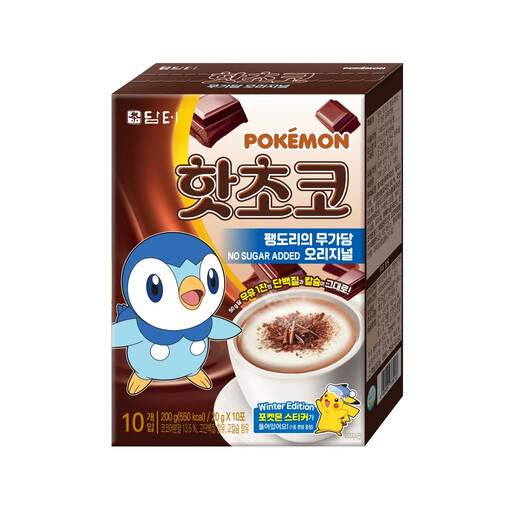 Image unavailable
DAMTUH Pokémon Sugar Free, 10 sachets of 20 g
The ten 20 g sachets let you take a portion with you without carrying a tin. Before choosing this variety for its “Sugar Free” claim, check the ingredients list and sugar information on the exact packaging; also check for allergens and read the preparation instructions.
View on Joybuy
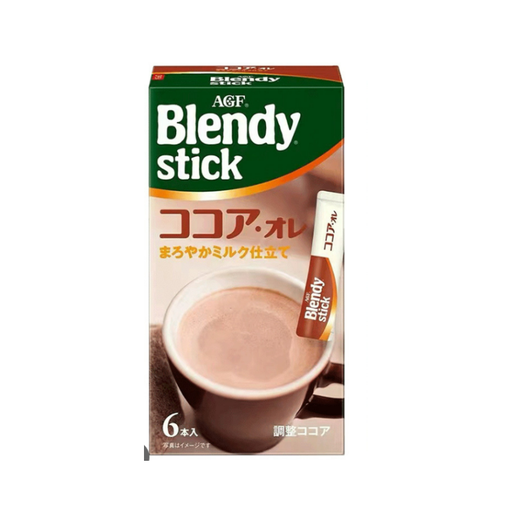 Image unavailable
AGF Blendy Stick Cocoa with milk, 6 sticks, 66 g
The six sticks divide the powder into portions you can take with you. Check the packaging to compare sugars per portion and allergens, and make sure you’ll have what you need to prepare your drink on site.
View on Joybuy
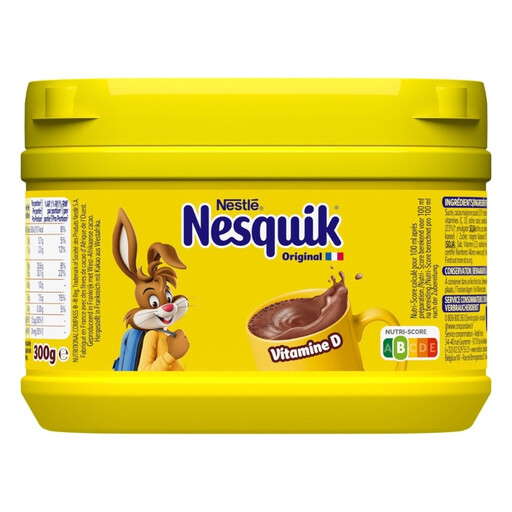 Image unavailable
Nesquik Original hot chocolate powder, 300 g
This 300 g tin is a good option if you’d rather measure out your own portions to take with you. Bring a spoon and a small airtight container; compare the sugars according to the amount of powder you use, and check the allergens on the tin you receive.
View on Joybuy
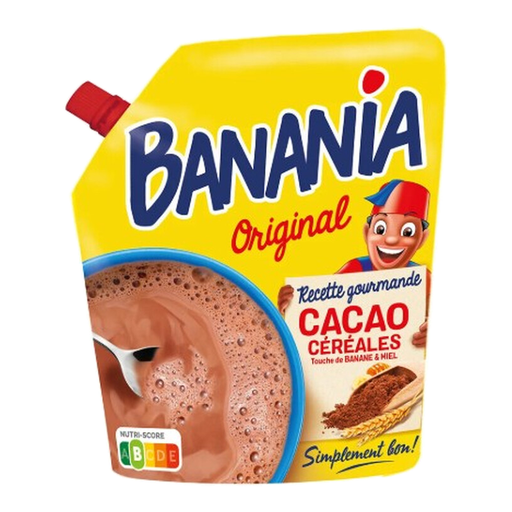 Image unavailable
Bananina Original hot chocolate powder, 400 g
This 400 g tin lets you measure out portions, but doesn’t contain individual sachets. Check the ingredients and allergens for Bananina Original on the exact packaging; don’t assume they’re the same as those in a Banania product with a different name.
View on Joybuy
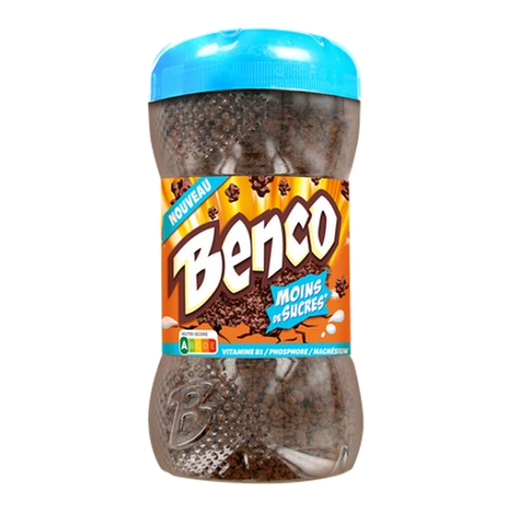 Image unavailable
BENCO Less Sugar granulated hot chocolate powder, 400 g
This 400 g tin is for measuring out your own portions to take to uni. To understand the “Less Sugar” claim, check the comparison product, sugar information and recommended portion on the packaging; read the instructions before making your drink.
View on Joybuy
Frequently asked questions
Is Nutri-Score compulsory on hot chocolate powder in France?
No. According to Santé publique France, Nutri-Score is voluntary. When it’s displayed, you can use it alongside the applicable nutrition declaration; if it’s absent, you should still check the nutritional information and ingredients.
Is a tin of hot chocolate powder automatically covered by France’s tax on sugary drinks?
No, you shouldn’t assume that a dry powder to be diluted is automatically covered. Article 1613 ter of the French General Tax Code, published on Légifrance, applies to drinks and liquid drink preparations that meet its conditions; a ready-to-drink product must be assessed under its own category.
How can I check for allergens before taking a portion to uni?
Check the ingredients and allergen information on the exact packaging before transferring the powder. Carrefour listings for some Nesquik, Poulain and Banania recipes respectively mention soy, possible traces of milk, or wheat and barley. These details shouldn’t be assumed to apply to every variety from those brands.
Are sachets more convenient than a tin for making a drink at uni?
Sachets mean you don’t have to measure or carry a large amount of powder, but you’ll still need to be able to make your drink on site. A tin is still an option if you have an airtight container and time to portion out the powder in advance.


