Households making several bowls each morning
If you use powder regularly at home, an 800 g or 1 kg tub could be a good choice, provided you have somewhere suitable to store it and follow the storage instructions.


For making several bowls at home, a single large tub can be a good choice if you can store it according to the packaging instructions. For a lunchbox, sachets save you measuring out and carrying loose powder. A large tub is not a multipack, though: before choosing a recipe, compare the sugars per 100 g, the amount you use and the allergens.
If you use powder regularly at home, an 800 g or 1 kg tub could be a good choice, provided you have somewhere suitable to store it and follow the storage instructions.
An individual portion lets you take powder with you without measuring it out of a large tub. Carrefour, for example, lists a pack of 12 Nestlé sachets, each weighing 13.5 g.
Unsweetened pure cocoa is a different recipe from sweetened chocolate powder. To choose, also check the sugars per 100 g, how much powder you use and the ingredients.
First decide whether the powder will stay at home or go out in individual portions, then compare recipes based on the amount you’ll actually use.
| What to consider | What to check | Who is it for? |
|---|---|---|
| Family-size format | Net weight and storage instructions after opening. | When I’m making several bowls each morning, I look for a tub my household can use and store properly. Around 40% of shoppers prioritise a family-size format. |
| Portions to take with you | Number of sachets, weight per sachet and ingredients for that product. | For a lunchbox, I prefer a portioned sachet to carrying a tub and a spoon. A ready-to-go portion would be the top priority for around 30% of shoppers. |
| Sugars and recipe | Sugars per 100 g of powder, amount per bowl and listed allergens. | If I want to decide how much sugar to add to my drink, I need to distinguish pure cocoa from sweetened chocolate powder. For around 30% of shoppers, managing added sugars matters more than the format. |
A 1 kg tub is still just one container: it doesn’t provide separate portions for several lunchboxes.
If everyone needs to take their own portion, check how many sachets or individual packets are listed on the pack.
The product listings for Banania Original and Poulain Grand Arôme show 69 g and 67 g of sugars per 100 g of powder respectively. The cocoa content alone therefore doesn’t tell you how much sugar is in each recipe.
Compare the sugars per 100 g, then check how much powder you use in a bowl. With unsweetened pure cocoa, you’ll also need to decide separately whether to sweeten your drink.
Santé publique France states that producers can choose whether to display Nutri-Score. Its absence isn’t enough to judge the composition of a powder.
If it appears on the product, use it as an extra guide and read the nutrition information and ingredients list too.
Formats and ingredients vary between products, even within the same brand.
Depending on the product, the range includes both large tubs and individual portions.
Banania offers its Original chocolate powder in 250 g, 400 g and 1 kg formats.
The range includes Grand Arôme and Super Poulain, among other products, with different recipes and formats.
The Carrefour range includes both pure cocoa and sweetened chocolate powders: they aren’t the same recipe.
The retailer offers several own-brand powders, including P’tit Déli and Tablette d’Or, in different formats.
The range includes Cao Kido in a large single tub.
These products include individual sachets for portions to take with you, as well as single tubs of cocoa or chocolate powder for making drinks at home. Compare the recipe and packaging of each product separately.
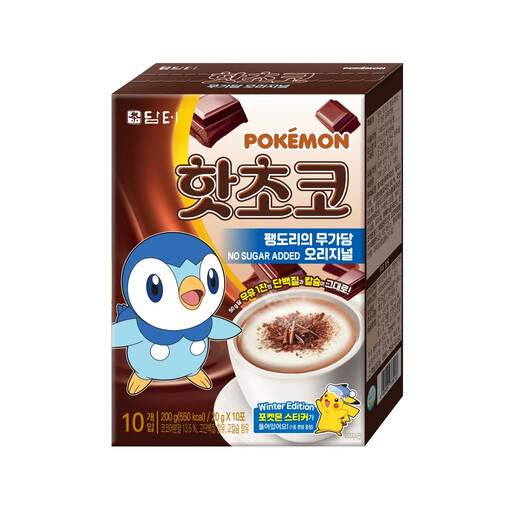 Image unavailable
Individual sachets are handy when you want to take a portion with you without carrying a large tub. The listing states that the pack contains 10 sachets of 20 g and flags milk and soya; check the packaging for the ingredients and nutrition information for this recipe.
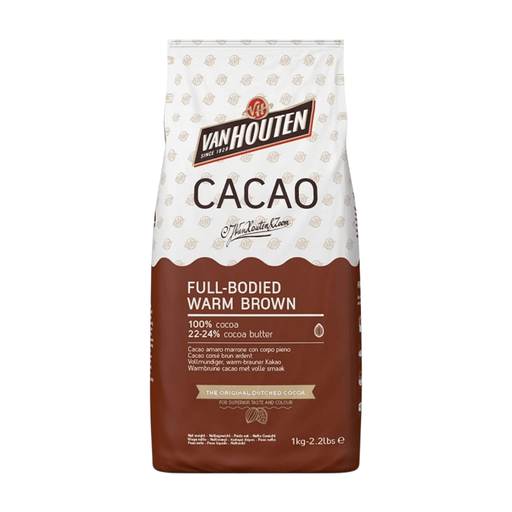 Image unavailable
This single tub is suited to making drinks at home, where you can choose the other ingredients yourself. The listing states that it contains 1 kg and 1.5 g of sugars per 100 g of powder. Before comparing it with another product, check the packaging for the ingredients and the percentage stated in the product title.
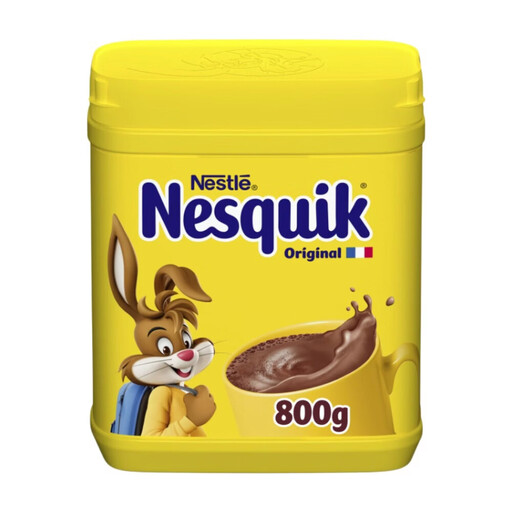 Image unavailable
The single 800 g pack is suitable for making several bowls at home, but it doesn’t provide individual portions. The listing recommends mixing two heaped teaspoons with 200 ml of milk and flags soya. When comparing powders, check the sugars in the dry powder on the packaging rather than those in the prepared drink.
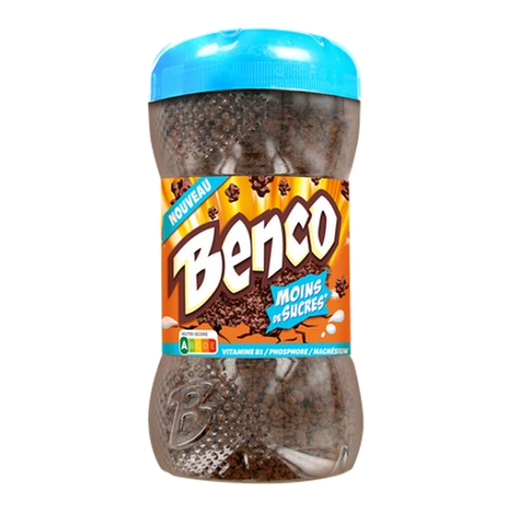 Image unavailable
The 400 g tub lets you make drinks at home without opting for a 1 kg format. The listing states that it contains 21% cocoa and 50 g of sugars per 100 g of product. Compare this figure and the amount you actually use before interpreting the variant name.
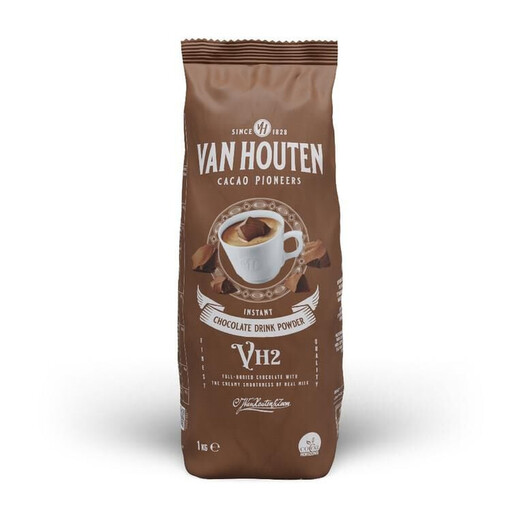 Image unavailable
This single tub is suited to regular use at home, but doesn’t offer individual portions. The listing states that it contains 34% cocoa and around 60 g of sugars per 100 g of powder; it flags milk and possible traces of nuts. Check how much you use per drink to work out the portion you’ll be making.
No. Santé publique France states that producers can choose whether to display it. If it appears on the product you choose, you can use it alongside the nutrition information and ingredients list.
Compare the ‘of which sugars’ figure per 100 g of powder, then check how much you add to each bowl. Banania recommends using 15 g of Original powder, while Poulain’s listing recommends 20 g of Grand Arôme. The per-100 g figures alone don’t tell you how much sugar is in drinks made using these amounts. Also factor in the milk and any sugar you add separately.
Sachets are a good choice if you need a portion that’s already measured out and easy to take with you; a large tub is better for making portions at home. Carrefour lists a pack of 12 Nestlé sachets, each weighing 13.5 g. Check the ingredients just as you would for a large format.
Read the ingredients and any ‘may contain’ warnings on the packaging for the exact product. Banania Original contains wheat; some Nesquik and Auchan powders mention soya, while Carrefour Original cocoa lists several possible traces, including milk, eggs, soya and nuts.