Parents of children under 3
Before comparing powders, they should consider their child’s age: Manger Bouger advises avoiding sugary foods and drinks, including chocolate, before the age of 3.


Before the age of 3, Manger Bouger recommends avoiding sugary foods and drinks, including chocolate. So choosing a chocolate drink powder for your toddler’s regular breakfast isn’t the best option. For an older child, if you’re considering hot chocolate, compare the sugar per 100 g, the amount used to make a serving, the ingredients and allergens. The pack size and any Nutri-Score rating don’t replace these checks.
Before comparing powders, they should consider their child’s age: Manger Bouger advises avoiding sugary foods and drinks, including chocolate, before the age of 3.
They want to check the sugar, ingredients and allergens, and distinguish between the nutritional values of the powder and those of the drink once prepared.
They’re looking for an amount that suits their consumption and check the best-before date and storage instructions before choosing a large tin.
When choosing breakfast for a young child, start with their age. If you’re then considering chocolate drink powder for a child aged 3 or over, check the ingredients before the pack size.
| Criterion | What to check | Who this matters to |
|---|---|---|
| Child’s age | Check whether the child is under 3 before choosing a chocolate drink. Manger Bouger advises avoiding sugary foods and drinks before this age. | If my child is under 3, I want to know whether this drink is suitable before comparing brands; around 50% of consumers would prioritise this age-related question. |
| Sugar and ingredients | For an older child, compare the sugar per 100 g, then the amount of powder used per serving and the allergens in the specific product. | I want to know what’s in the drink I’m making and check the ingredients that matter for my child; around 40% of consumers would put reading the label first. |
| Pack size and storage | Choose an amount that suits your household’s consumption, and check the best-before date and storage instructions. | A large tin only interests me if my household can use it properly; for around 10% of consumers, pack size would be the main concern. |
For a child under 3, Manger Bouger’s advice to avoid sugary foods and drinks, including chocolate, matters more than the differences between powders.
Check your child’s age first; don’t choose chocolate drink powder as their regular breakfast drink before the age of 3.
The French Ministry of the Economy says that displaying the Nutri-Score is optional. If it’s not shown, you still need to read the nutritional information.
Check the sugar per 100 g, ingredients list and allergens; use the Nutri-Score if it appears on the packaging.
The values per 100 g of powder don’t tell you everything about a mug made with milk. Banania, for example, gives a specific recipe for a mug using 15 g of its Original powder and 200 ml of semi-skimmed milk.
Compare powders on the same 100 g basis, then take into account the amount of powder and liquid you actually use.
A family-sized pack doesn’t make a recipe suitable for a child’s age, and may go largely unused if your household rarely has this powder.
Check the best-before date, storage instructions and ingredients before choosing a large pack.
The Original chocolate drink powder is a specific recipe worth checking for an older child, but that doesn’t mean it’s suitable for children under 3.
Grand Arôme and Super Poulain give you different pack sizes to consider, depending on your household’s consumption.
The range includes Classic’ powder and a Carrefour Bio recipe, whose ingredients can be checked separately.
These powders and hot chocolate mixes are worth considering if you’re thinking of a chocolate drink for a child aged 3 or over, or for other members of your household. To compare them, start with the label for the specific product and the serving you prepare.
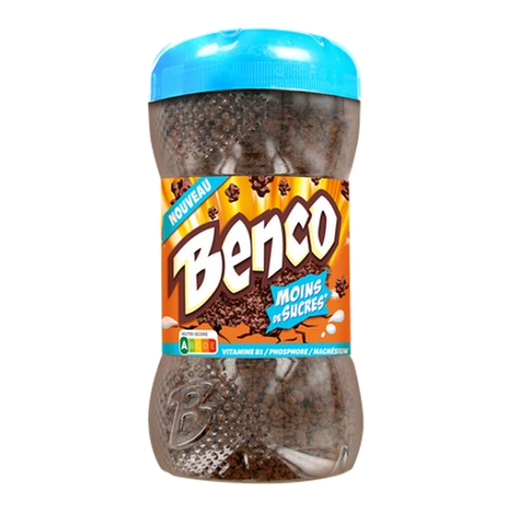 Image unavailable
The 400 g tin may suit your household, depending on how much you use. The ‘Less Sugar’ wording doesn’t mean you can skip checking the sugar per 100 g, the prepared serving and the allergens on the packaging.
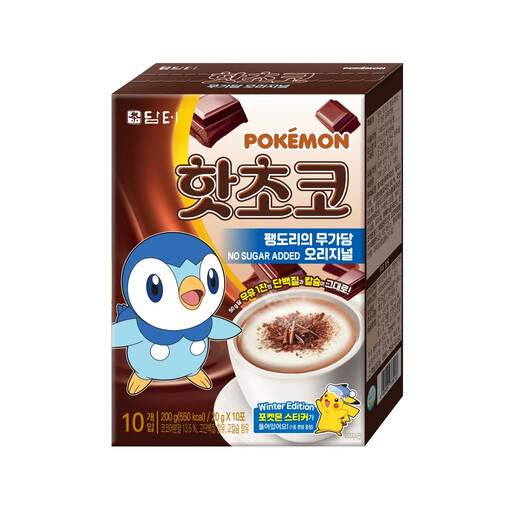 Image unavailable
The 20 g sachets make it easy to see how much powder goes into each serving. Check the sugar, ingredients and allergens on the label before relying on the ‘sugar free’ wording in the product name.
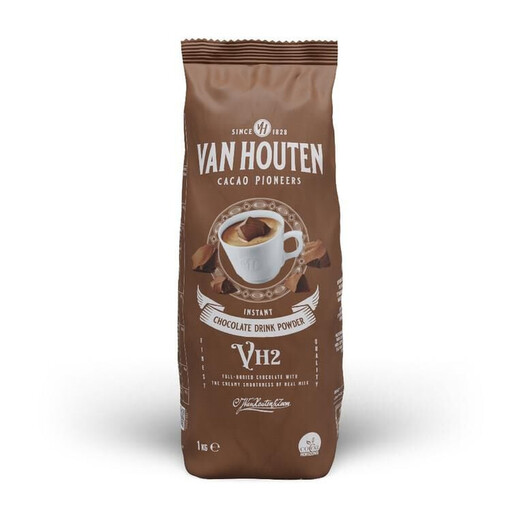 Image unavailable
The 1 kg pack is best suited to a household planning to use it regularly. The 34% cocoa content stated in the name doesn’t tell you how much sugar it contains, so check the nutritional information and the amount used per serving.
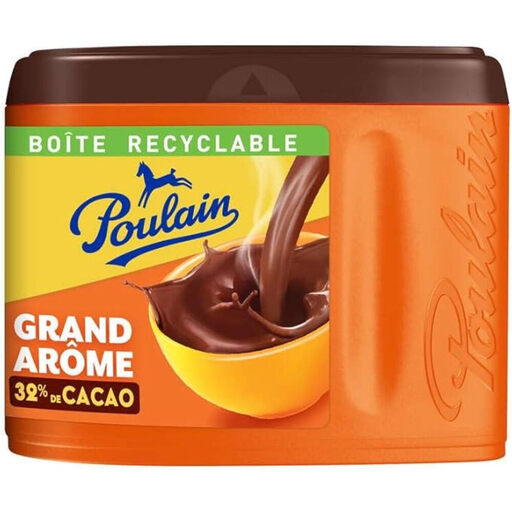 Image unavailable
This 450 g pack can be compared with other tins based on your household’s consumption. To choose a recipe, check the sugar per 100 g and ingredients for this specific product, then consider how much powder you use per drink.
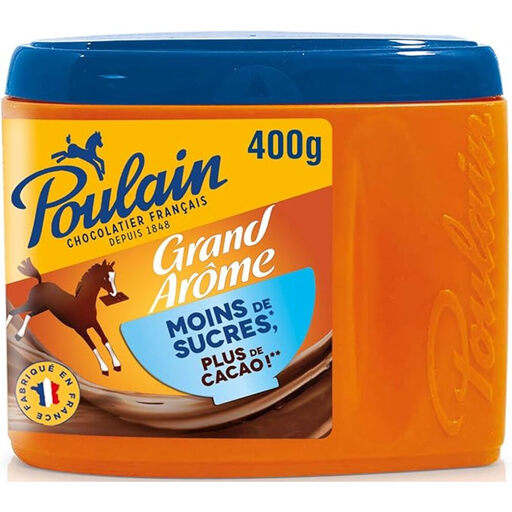 Image unavailable
This 400 g tin is a different product from the 450 g Poulain pack shown here. Compare their labels separately: a difference in pack size doesn’t mean the recipes or nutritional values are the same.
It’s not a drink to make a regular choice before the age of 3: Manger Bouger advises avoiding sugary foods and drinks, including chocolate, at this age. Check your child’s age before comparing powders.
No. The Nutri-Score is optional in France, as the Ministry of the Economy explains. For most prepacked foods, the nutrition declaration lets you check the sugar per 100 g, whether or not the logo is shown.
First compare the sugar per 100 g of powder, then the amount used in each drink. Also check the ingredients and allergens for the specific product: Banania Original, for example, contains wheat according to Banania.