Parents of a child under one
If you’re looking for a drink to replace their milk, hot chocolate isn’t suitable for this purpose. Anses says that standard drinks are not suitable as a substitute for an infant’s milk-based diet.


For a child under 3, it’s best not to choose hot chocolate as their usual snack-time drink: Manger Bouger recommends avoiding sugary foods and drinks before this age. Before the age of one, a standard chocolate drink is not a substitute for suitable infant milk, as Anses points out. If the product is for older members of the household, compare powders and ready-to-drink options separately, paying particular attention to their sugar content, ingredients and packaging.
If you’re looking for a drink to replace their milk, hot chocolate isn’t suitable for this purpose. Anses says that standard drinks are not suitable as a substitute for an infant’s milk-based diet.
If you’re considering hot chocolate as a regular snack-time drink, age is the key consideration: Manger Bouger recommends avoiding sugary foods and drinks before the age of 3.
You can choose a chocolate drink for other members of the household while keeping a separate drink for your toddler. In that case, how you measure out the powder, the sugar and allergen content, and the carton size matter more than the Nutri-Score alone.
First, decide who the drink is for. For a child under 3, age and the place of sugary products in their diet take priority over the format. If you’re buying for other members of the household, check the label and packaging next.
| Consideration | What to check | Who is this for? |
|---|---|---|
| Age and the role of milk | Check the product’s age range. Before the age of one, don’t replace suitable infant milk with a standard chocolate drink. | If my child is still very young, I want to choose a drink that’s right for their age rather than relying on the word “milk” on the packaging. For around 42% of consumers, age suitability would be the top priority. |
| The place of sugary products | For household purchases, check the “sugars” line per 100 g of powder or 100 ml of drink, and take the serving size into account. These figures don’t make the product suitable as a regular snack for a child under 3. | I don’t want to make a sugary drink part of my toddler’s snack-time routine, even if it contains cocoa or milk. Limiting sugary products would be the main concern for around 42% of consumers. |
| Format and labelling for the household | For powder, check the recommended serving and allergens. For a ready-to-drink product, look at the carton size and sugar per 100 ml. | When I’m also buying for older people, I look for convenient packaging without confusing this purchase with my toddler’s snack. Format and label information would come first for around 16% of consumers. |
A standard chocolate milk drink does not serve the same purpose as breast milk or suitable infant formula. For a child under one, this distinction affects which drink to choose, as Anses points out.
Start with the child’s exact age and follow the guidance for the relevant category of milk, rather than choosing based on the product’s taste or name.
According to the Ministry of the Economy, displaying the Nutri-Score is voluntary. A letter on the packaging is no substitute for reading the ingredients or following Manger Bouger’s guidance on sugary products before the age of 3.
To compare products intended for older members of the household, check the nutritional information per 100 g or 100 ml, as well as the portion actually prepared or served.
The pack size doesn’t change the recommendation on sugary drinks for a child under 3. Carrefour Classic’ and Delisse cartons, as presented by their retailers, come in packs of 6 × 20 cl, or 1.2 L in total. Powder, on the other hand, is sold by weight and measured out when preparing it.
Keep chocolate products for older members of the household, and check the exact volume or weight before choosing a pack.
Ingredients vary between products. Banania, for example, lists wheat and barley in its Original powder, which may also contain traces of milk and soya. A “lactose-free” claim on another drink does not, by itself, tell you about all its allergens.
Read the ingredients list and allergen information for the specific product every time you buy it. If the child follows a diet because of an allergy or a medical condition, ask their healthcare professional for advice.
These examples show powders and chocolate drinks you could compare for older members of the household. Their inclusion here does not mean they’re intended as a regular snack for a child under 3.
Banania’s Original chocolate powder is available in 250 g, 400 g and 1 kg packs.
Instant chocolate powder to consider for older members of the household, not as a regular drink for a toddler.
A ready-to-drink chocolate milk beverage, sold by Carrefour in a pack of 6 × 20 cl cartons.
A lactose-free chocolate milk drink sold by E.Leclerc in a pack of 6 × 20 cl cartons.
These Joybuy products are powdered growing-up milks, not hot chocolate. If you’re looking for milk for your child, check the age range and preparation instructions. They won’t meet a need for chocolate flavour or for a large-format ready-to-drink beverage.
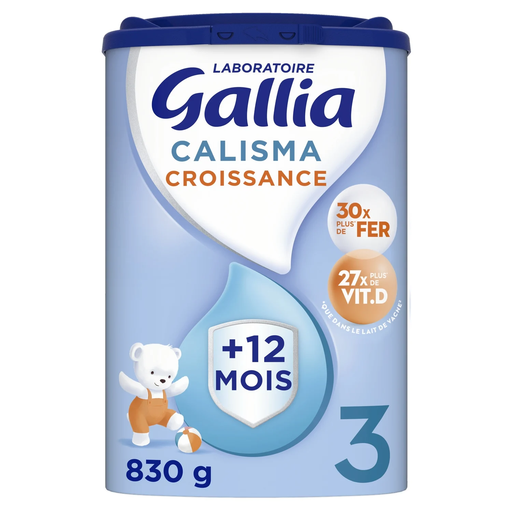 Image unavailable
Worth considering if you’re looking for growing-up milk rather than a chocolate drink. The product name indicates that it’s for use from 12 months. Follow the age guidance and preparation instructions on the packaging.
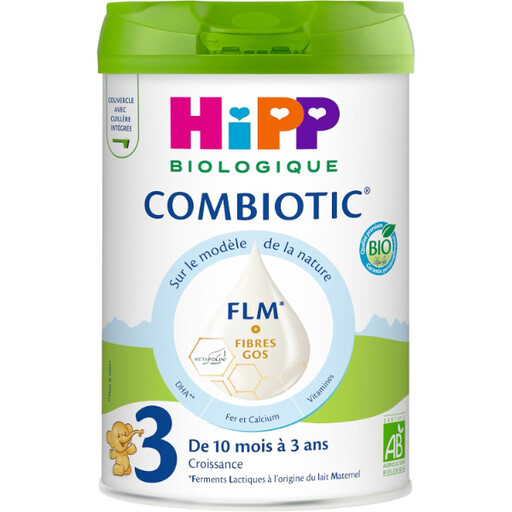 Image unavailable
This powdered milk is a separate option from hot chocolate for a child within the stated age range. Check the preparation and storage instructions for this product before use.
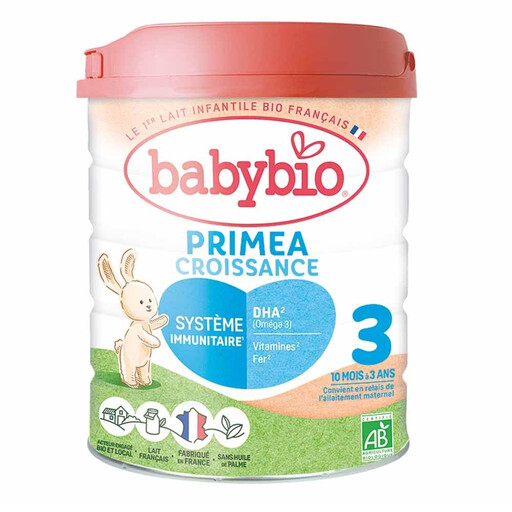 Image unavailable
This is an option for buying growing-up milk, not chocolate powder. The product name indicates that it’s for use from 10 months. Check the age guidance, preparation instructions and nutritional information on the packaging.
No. A standard chocolate drink is not a substitute for breast milk or suitable infant formula. Anses says that standard drinks are not suitable as a substitute for an infant’s milk-based diet. For a specific medical concern, ask the healthcare professional looking after your child for advice.
It’s best not to make it a habit before the age of 3: Manger Bouger recommends avoiding sugary foods and drinks during this period. Buying a product for older members of the household doesn’t make it suitable as a regular snack-time drink for your toddler.
No. According to the Ministry of the Economy, displaying the Nutri-Score remains voluntary in France. The DGCCRF distinguishes this label from the nutritional declaration required for most prepacked foods, which is given per 100 g or 100 ml. When comparing products, check the ingredients and serving size too.
Not for the Carrefour Classic’ and Delisse products mentioned here: their retailers list them in packs of 6 × 20 cl, or 1.2 L in total. If you’re looking for 2 L, check both the total volume and the packaging. Neither format changes the question of the age for which the drink is intended.