Before the age of one, a cocoa drink should not replace infant formula: Ameli recommends continuing with it until this age. After one, if you’re thinking of occasionally adding cocoa to milk, compare the sugars and ingredients per 100 g, then consider how much powder you’ll actually use. A ‘less sugar’ powder still contains sugars; unsweetened cocoa lets you choose what to add to the drink, provided its flavour is suitable.
Who is this choice for?
Parents of children aged 1 to 3 who are keeping an eye on sugar
They want to distinguish between a ‘less sugar’ powder and unsweetened cocoa, while also taking into account how much they add to the milk. Santé publique France recommends introducing sweet foods as late as possible and limiting the amount children eat.
Parents who check ingredients and allergens
Depending on the recipe, it’s worth checking for soya, cereals containing gluten or milk, as well as any ‘may contain’ warnings. The packaging of the product you buy is what matters most.
Parents of children under one
For them, the question of milk comes before the choice of chocolate powder. Ameli advises continuing with infant formula until the age of one; a cocoa drink is not a substitute.
What should you look for before buying?
Your child’s age determines what role the drink can play. If you then compare powders, start by looking at the type of recipe before comparing nutritional values and ingredients.
Unsweetened cocoa
Consider this: if you want to choose what to add to the cocoa yourself; the Carrefour Original Cocoa Powder product information lists cocoa powder as its only ingredient.
Bear in mind: this isn’t an already-sweetened chocolate powder. Also check the packaging for ‘may contain’ warnings.
‘Less sugar’ powder
Consider this: if you’re looking for a chocolate powder and want to compare its sugar content with other recipes.
Check this: the claim is comparative; it doesn’t mean ‘no added sugar’. The amount you use matters too.
Classic chocolate powder
Consider this: if you want a ready-flavoured recipe and are happy to check its ingredients carefully.
Bear in mind: sugar is the first ingredient in some recipes. This choice should be compatible with limiting sweet foods in your child’s diet.
| Criteria |
What to check |
Who this matters to |
| Sugars |
Compare the ‘sugars’ figure per 100 g and the amount of powder you add. Read ‘less sugar’ and ‘no added sugars’ claims separately. |
I want to limit added sugar at breakfast without relying on the recipe name alone; around 36% of consumers would prioritise this need. |
| Age and milk |
Before the age of one, don’t replace infant formula with a cocoa drink, in line with Ameli’s guidance. After one, take into account the milk usually given to your child. |
If my child is very young, I first need to know what role this drink can play without replacing their milk; this would be the priority for around 29% of consumers. |
| Ingredients and allergens |
Read the ingredients list and any ‘may contain’ warnings on the pack, especially if soya, milk or cereals containing gluten are a concern. |
An ingredient I need to avoid would determine my choice before taste or sugar content; around 21% of consumers would prioritise this check. |
| Preparation and flavour |
Check the type of powder and the recommended serving, then decide whether an unsweetened recipe will work in the drink you want to make. |
I’m looking for something simple to prepare that my child will enjoy, while staying in control of the amount served; around 14% of consumers would put this expectation first. |
Common misconceptions to avoid
-
Assuming the Nutri-Score is compulsory
In France, displaying the Nutri-Score logo is optional. The DGCCRF states that nutrition information must appear on prepacked foods covered by this requirement.
Whether or not there’s a logo, compare the nutritional information per 100 g, then check the ingredients and allergens. The absence of a logo alone doesn’t tell you whether a recipe is suitable.
-
Reading ‘less sugar’ as ‘sugar-free’
A claimed reduction is measured against a comparison product; it doesn’t tell you on its own how much sugar is in the prepared drink.
Check the sugars per 100 g, the serving of powder and the ingredients list. If you’re looking for a powder with no added sugars, check that this claim is explicitly stated on the product you choose.
-
Treating all toddlers as one age group
The choice is different before and after the age of one: Ameli recommends continuing with infant formula until then.
First check your child’s age, and don’t present chocolate powder as a replacement for their milk. If your child has specific dietary needs, ask their healthcare professional for advice.
-
Assuming ‘cocoa’ means allergen-free
Recipes and warnings vary: some powders contain soya or cereals with gluten, while cocoa made solely from cocoa may still carry a ‘may contain’ warning.
If you have an allergy or need to avoid certain ingredients, check the ingredients and ‘may contain’ warnings on the packaging you actually buy.
Brands to compare
These products illustrate different recipes; the inclusion of a brand here says nothing about whether any of its powders are suitable for a child of a particular age.
Nesquik
Nesquik Less Sugar is a chocolate powder with a comparative reduction in sugars.
- Carrefour’s product information states that this product contains 35% low-fat cocoa.
- The recipe contains soya lecithin. The brand’s reduction claim doesn’t mean the product is sugar-free: compare the figure and serving size shown on the pack.
Poulain
Carrefour’s product information for Poulain Grand Arôme Less Sugar describes a chocolate powder containing at least 47% cocoa.
- The cocoa content is stated in the product information for this product.
- The product information warns that it may contain traces of milk and soya; check the warnings and sugar content on the size you buy.
Banania
Banania Original combines cocoa, cereals, banana and honey in a chocolate powder.
- According to Banania, the recipe contains 19% heavily defatted cocoa and 12% cereals.
- The brand states that it contains 69 g of sugars per 100 g and lists wheat and barley among the cereals.
Carrefour
Carrefour’s product range includes both unsweetened cocoa powder and sweetened chocolate powder.
- Carrefour Original Cocoa Powder lists cocoa powder as its only ingredient.
- Sugar is the first ingredient in Carrefour Classic’. For Original Cocoa, check any ‘may contain’ warnings if relevant to you.
Chocolate powders available on Joybuy
These products let you compare chocolate powders and pack sizes for making a hot drink. Before considering making one for a young child, check their age, the ingredients in the product you choose and how much powder you use; these products don’t replace infant formula before the age of one.
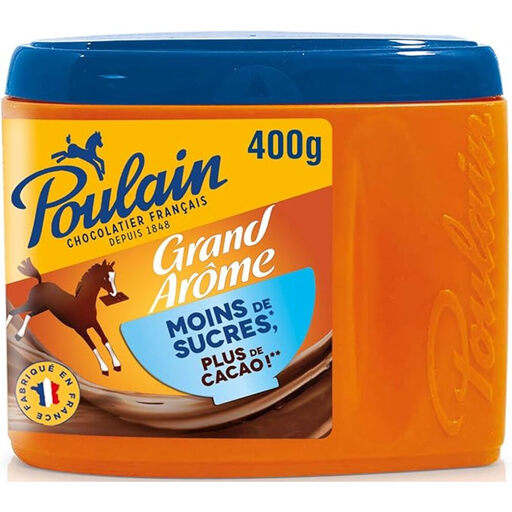 Image unavailable
Poulain Cocoa with Rich Flavor, 400 g
Worth considering if you’re comparing Poulain powders for a chocolate drink. This 400 g pack is different from the 450 g product; check the sugars, recommended serving and allergens on its packaging.
View on Joybuy
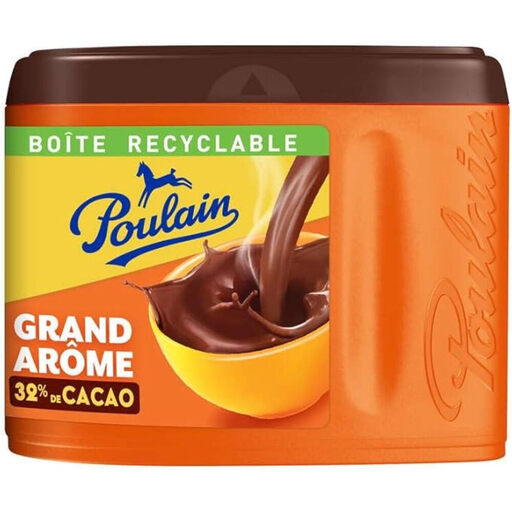 Image unavailable
Poulain Cocoa with Rich Flavor, 450 g
Worth considering if you’re looking for this size of Poulain powder for a chocolate drink. Don’t assume it has the same recipe as the 400 g pack: compare their labels, especially the sugars and ingredients.
View on Joybuy
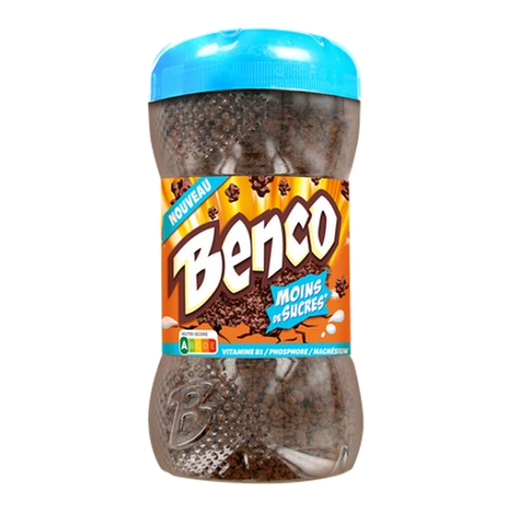 Image unavailable
Benco Less Sugar, chocolate granules, 400 g
Worth comparing if you’re looking for chocolate powder in granule form. The ‘Less Sugar’ claim doesn’t tell you on its own how much sugar is in the prepared drink: read the nutrition information, ingredients and recommended serving.
View on Joybuy
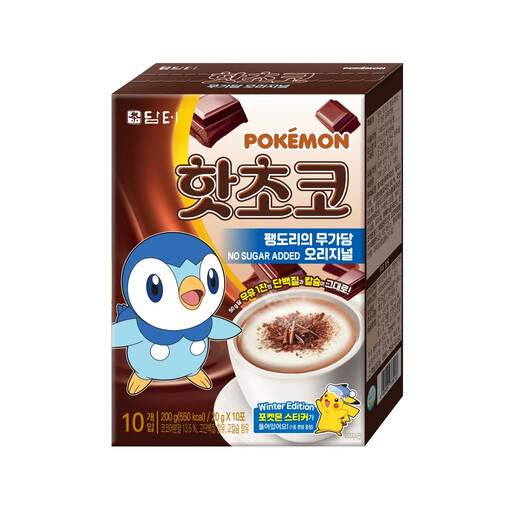 Image unavailable
DAMTUH Hot Chocolate Sugar Free Pokémon, 10 sachets of 20 g
Worth considering if individually wrapped sachets suit your needs. The words ‘Sugar Free’ in the name don’t remove the need to check the sugars, ingredients and allergens on the packaging.
View on Joybuy
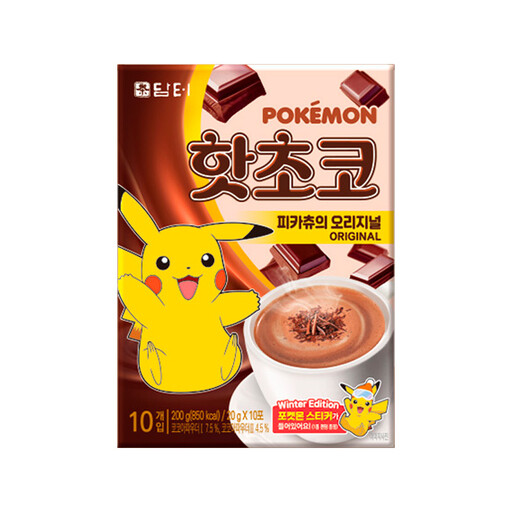 Image unavailable
DAMTUH Pokémon hot chocolate, 10 sachets of 20 g
Worth considering if you prefer individually wrapped portions for making a chocolate drink. Compare the label on this product with the Sugar Free version: their similar packaging doesn’t mean they have the same ingredients.
View on Joybuy
Frequently asked questions
Can hot chocolate replace infant formula before the age of one?
No: a cocoa drink is not a substitute for infant formula. Ameli recommends continuing with it until the age of one; if your child has specific dietary needs, ask their healthcare professional for advice.
Does chocolate powder in France have to display the Nutri-Score?
No, displaying the Nutri-Score is optional in France. The DGCCRF states that nutrition information is compulsory for the prepacked foods covered by this requirement. Use it alongside the ingredients list to compare products, whether or not they display the logo.
How do you compare a ‘less sugar’ powder with unsweetened cocoa?
Compare their sugars on the same per-100 g basis, then compare how much you use in each drink. ‘Less sugar’ is a comparative claim, while ‘no added sugars’ describes a different feature of the recipe. Also check the ingredients and the flavour you want to achieve.
Which allergens should you check in these powders?
It depends on the product: the Banania Original product information lists wheat and barley, the Nesquik Less Sugar information lists soya lecithin, and Poulain Grand Arôme Less Sugar may contain traces of milk and soya. If you have an allergy, always check the ingredients list and ‘may contain’ warnings on the packaging you buy.


