Families who check sugar first
If you often make hot chocolate, compare the ‘of which sugars’ figure per 100 g of powder before relying on the ‘lower sugar’ claim. The serving size and milk also affect the drink you make.


If you regularly make hot chocolate for a large family, start by comparing the sugars and fat per 100 g of powder, then check the serving size and the milk used. Of the three ‘lower sugar’ recipes featured by Auchan, NESQUIK has the lowest sugar content per 100 g of powder, while BENCO has the lowest fat content. These two criteria therefore point to different recipes. Choose a pack size your family can finish, too.
If you often make hot chocolate, compare the ‘of which sugars’ figure per 100 g of powder before relying on the ‘lower sugar’ claim. The serving size and milk also affect the drink you make.
The figures per 100 g of powder let you compare dry recipes. For a prepared drink, remember to factor in the milk and the quantities given in the recipe, too.
A larger pack can mean fewer trips to restock, provided your family uses the powder before its best-before date. Check the net weight without losing sight of the ingredients.
When choosing a powder for frequent servings, start with your priority: sugar or fat. Then compare how you’ll actually prepare it and choose a pack size that suits your family’s consumption.
| Criterion | What to check | Who is it for? |
|---|---|---|
| Sugars in the powder | Compare the ‘of which sugars’ figure per 100 g across chocolate powders for mixing, then check how much powder you use per mug. | If I serve hot chocolate regularly, I want to know what’s in the powder rather than rely on a ‘lower sugar’ claim. Around 31% of consumers are said to put reducing sugar first. |
| Fat | Check the fat per 100 g of powder. For the drink, use the same amount of powder and the same type of milk when comparing. | If I’m mainly watching my fat intake, I don’t want to confuse the fat in the powder with the fat in a mug made with milk. This is said to be the priority for around 25% of consumers. |
| Pack size and storage | Check the net weight, how often you’ll make hot chocolate and the best-before date. | When we regularly make several mugs, I look for a pack size my family can realistically finish. Around 25% of consumers are said to prioritise pack size. |
| Everyday preparation | Read the recommended serving size and preparation instructions before buying several packs. | If different people make the hot chocolate, I want to be able to follow the recommended serving size and choose a recipe my family will use. Ease of use is said to be the priority for around 19% of consumers. |
The claim compares a recipe with a specified reference; it doesn’t replace the figures in the nutrition information. The three ‘lower sugar’ powders featured by Auchan have different sugar contents.
Compare the ‘of which sugars’ figure per 100 g, then check how much powder you actually use in each mug.
The figures for a drink include milk and depend on the serving size. You can’t compare powders on their own if the mugs have been made with different amounts of powder or different types of milk.
First compare the powders per 100 g, then compare drinks made with the same amount of powder and type of milk.
The French health ministry says that the European framework it describes does not allow this graphic label to be made compulsory. Its absence isn’t enough to judge the ingredients.
If a Nutri-Score appears on the packaging, read it alongside the ingredients list and nutrition information.
A larger pack doesn’t change the recipe and may be left unfinished if your family doesn’t use it regularly.
Start by checking the net weight, the amount per mug and the best-before date.
An unfinished pack can lead to waste.
The range includes a 350 g tin of instant ‘Less Sugar’ powder.
Grand Arôme is available in a 400 g ‘Less Sugar’ version, made with at least 47% cocoa.
The brand offers a 400 g tin of ‘Less Sugar’ chocolate granules.
The range featured by Carrefour includes 400 g and 1 kg packs.
The range featured by Carrefour includes Carrefour Classic’ chocolate powders and products from national brands.
The range featured by E.Leclerc includes Marque Repère chocolate powders and EQUADOR unsweetened cocoa powder.
This selection includes a 400 g pack of BENCO ‘Less Sugar’ powder and two Original recipes in 800 g and 1 kg packs. If you serve hot chocolate regularly, first choose a recipe that suits your nutritional priorities, then check whether the pack size works for your family.
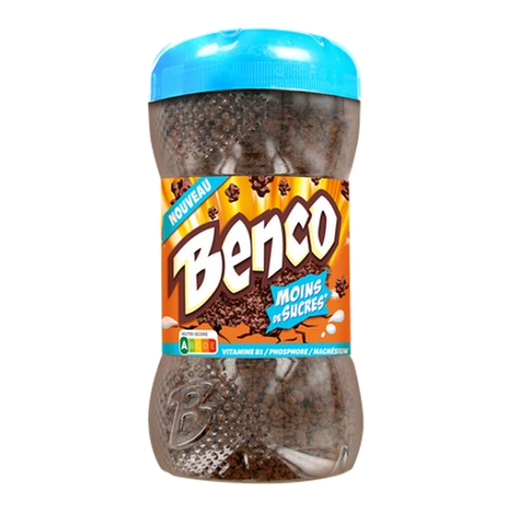 Image unavailable
Worth considering if you’re comparing the fat content of ‘lower sugar’ chocolate powders first. Auchan’s listing for this product gives its fat content as 2,5 g and its sugar content as 50 g per 100 g of powder. The contents of your mug will also depend on the milk and serving size.
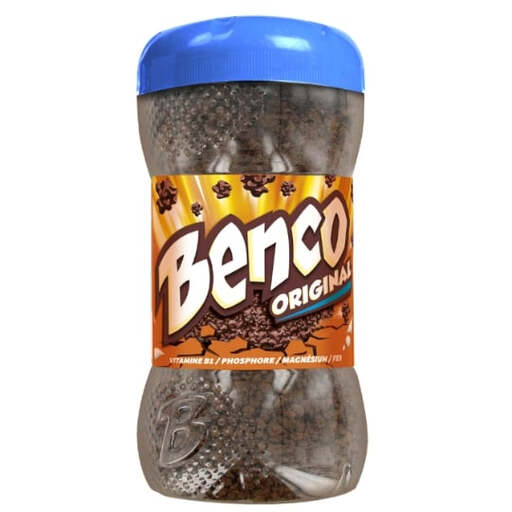 Image unavailable
The 800 g pack could suit a family that often makes hot chocolate. This is the Original recipe, so if reducing sugar is your priority, compare its nutrition information with that of a ‘Less Sugar’ product.
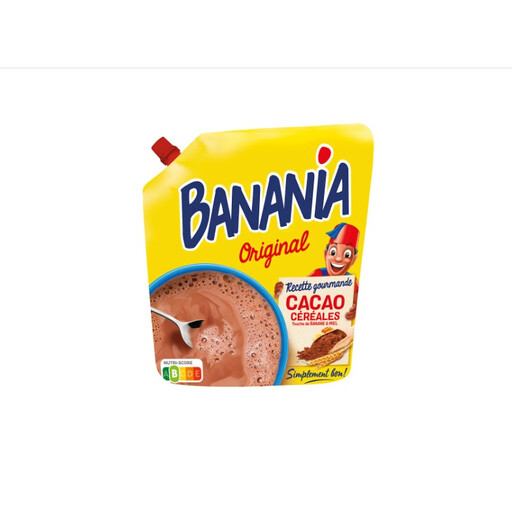 Image unavailable
The 1 kg pack is for a family planning to use this Original recipe regularly. Check the sugar and fat content on the packaging before comparing it with a ‘Less Sugar’ powder, and check the best-before date before choosing this pack size.
No. The French health ministry says the European framework it describes does not allow this graphic label to be made compulsory. If it appears on a tin, read it alongside the ingredients list and nutrition information. Its absence isn’t enough to tell two recipes apart.
A mug contains milk, whereas the figures per 100 g refer to the dry powder. Auchan’s listings for NESQUIK Less Sugar and BENCO Less Sugar also give figures for drinks made with semi-skimmed milk. These figures won’t apply as stated if you use a different type of milk or change the serving size.
Estimate how many mugs your family actually makes, then compare that with the net weight, recommended serving size and best-before date. A large pack is only useful if you’ll finish it; pack size alone tells you nothing about the product’s ingredients.