For school mornings, choose a chocolate drink powder by comparing its ingredients, sugars per 100 g and the amount you actually add to each mug. A ‘less sugar’ recipe is not sugar-free; cocoa described as ‘with no added sugars’ lets you decide what to add to your drink. If you use milk described as ‘long-life filtered’, check the details for the specific product rather than assuming how long it will keep based on that phrase alone.
Who are these criteria for?
Parents keeping an eye on sugar at breakfast
Compare the ‘of which sugars’ figure per 100 g across powders, then check how much goes into the mug. The nutrition declaration and ingredients list tell you more about the recipe than a product name or logo alone. In France, the Ministry of the Economy explains that displaying Nutri-Score is voluntary.
Households making hot chocolate before the school run
Easy-to-repeat measuring and a pack size that suits how often you use it can make all the difference to your morning routine. Banania, for example, says its Original powder is available in 250 g, 400 g and 1 kg packs. Choose according to how much you make and the storage instructions on the pack you buy.
Shoppers avoiding certain ingredients
Read the ingredients and allergen information for the specific variant you choose, even if its packaging focuses mainly on sugar. Banania says its Original powder contains wheat and barley, and may contain traces of milk and soya.
What should you check before buying?
When choosing between a classic chocolate drink powder, a ‘less sugar’ recipe and cocoa powder, start with the ingredients and serving size. These products won’t necessarily make the same drink once mixed with milk.
| What matters |
What to check |
Who it matters to |
| Sugars in your mug |
Compare ‘of which sugars’ per 100 g on a like-for-like basis, then check the amount used and anything else added to the drink. |
If I want to keep track of the sugars in my hot chocolate, the recipe name isn’t enough: how much I add changes what’s in my mug. Around 36% of consumers put this first. |
| Preparation and pack size |
Check the recommended serving size, pack format and storage instructions. |
When breakfast has to be ready before school, I look for a product that’s easy to serve and comes in a size that suits our routine. This is the top priority for around 29% of consumers. |
| Ingredients and allergens |
Read the ingredients list and allergen information for the specific variant. Don’t assume they’re the same across the whole brand. |
If someone in my household needs to avoid an ingredient, I need to rule out unsuitable recipes before considering their taste or pack size. Around 21% of consumers prioritise this. |
| Amount you buy |
Consider the pack weight alongside how much you use per mug and how often you make hot chocolate. |
If we only make hot chocolate occasionally, I prefer a pack size we can use while following the storage instructions. Choosing the right amount to buy comes first for around 14% of consumers. |
Common mix-ups to avoid
-
Assuming Nutri-Score is compulsory or tells you everything
France’s Ministry of the Economy and the DGCCRF say that Nutri-Score is voluntary in France. Its presence on the pack doesn’t mean you can skip checking the nutrition information, ingredients and allergens for the product you’re considering.
Use it as an extra guide when it appears on the packaging. To compare the sugars in two powders, check their per-100 g values and the serving size you prepare.
-
Confusing cocoa, chocolate drink powder and the prepared drink
Carrefour describes its Original cocoa as cocoa powder ‘with no added sugars’, while sugar appears first in the ingredients list for its Classic’ chocolate drink powder. What ends up in your mug also depends on what you add when preparing it.
Start by checking the dry mix, then factor in the milk and anything else you add when assessing the drink you serve.
-
Assuming sugar claims tell you about allergens
A ‘less sugar’ recipe or one described as ‘with no added sugars’ may still contain ingredients or carry trace warnings that matter to your household. Banania Original, for example, contains wheat and barley according to the brand.
Check the allergen information on the pack of the variant you buy, especially if you’re switching recipes.
Brands to compare by recipe
Nesquik
The range includes a ‘Less Sugar’ chocolate drink powder listed by Carrefour France.
- Carrefour lists 35% low-fat cocoa, soluble maize fibre and sugar among the ingredients for this product. It’s a useful example of why it pays to compare specific recipes rather than brands alone.
- ‘Less Sugar’ doesn’t mean sugar-free. Also check the ingredients and allergens for the variant you buy.
Banania
The Original chocolate drink powder combines cocoa and cereals, among other ingredients. The brand lists pack sizes of 250 g, 400 g and 1 kg.
- According to Banania, the Original recipe contains 19% cocoa and 12% cereals, and comes in a resealable pack.
- Banania lists wheat, barley and malted wheat, and says the product may contain traces of milk and soya. Check the ingredients before avoiding any particular food.
Carrefour
The products reviewed include Classic’ chocolate drink powder and Original cocoa powder. They are two different types of recipe.
- Carrefour describes its Original cocoa as cocoa powder ‘with no added sugars’, leaving you to choose what to add when you make your drink.
- In Carrefour Classic’ chocolate drink powder, Carrefour lists sugar before low-fat cocoa, which makes up 21%. Check the exact product before comparing ingredients.
Poulain
Carrefour lists Poulain 1848.0 chocolate drink powder in a 450 g tin, among other products.
- This pack size helps you compare the product with other chocolate drink powder formats you might consider for your household.
- To decide whether the recipe suits you, read the ingredients, sugar information and allergen details on the full product page or packaging.
Powders and cocoa available on Joybuy
This selection includes individual sachets, chocolate drink powders in tins and cocoa powder. Compare pack sizes and the label for each variant according to how you make hot chocolate. If milk is described as ‘long-life filtered’, check the details for the specific milk you choose separately.
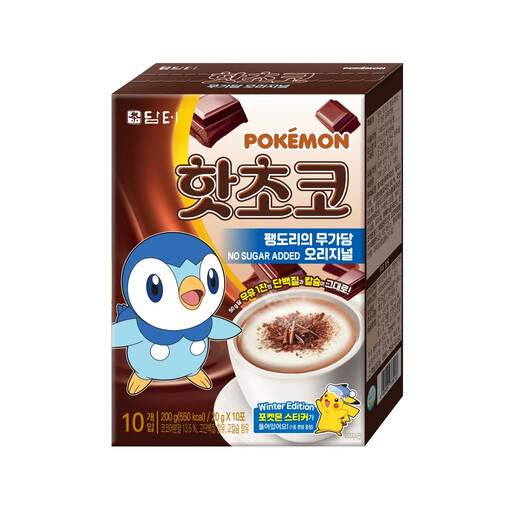 Image unavailable
DAMTUH Hot chocolate sugar free Pokemon, 10 sachets of 20 g
Individual sachets can be handy if you want to make one serving at a time. Before relying on the ‘sugar free’ claim, check the ingredients and nutrition information on the packaging of the product being sold.
View on Joybuy
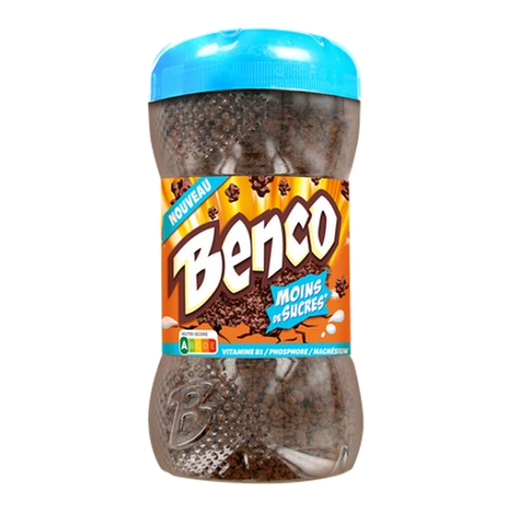 Image unavailable
BENCO Less Sugar, chocolate drink powder granules, 400 g
To compare this tin of powder with other recipes, check the sugars per 100 g and the amount used per mug. The ‘Less Sugar’ claim alone doesn’t tell you how much sugar is in the prepared drink.
View on Joybuy
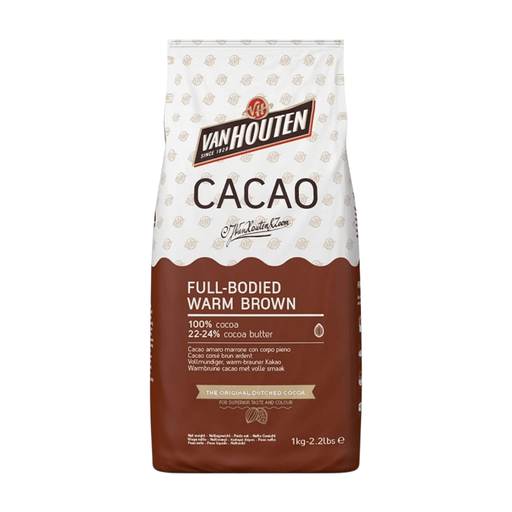 Image unavailable
VAN HOUTEN VH1F Cocoa powder 14.7%, 1 kg
This pack of cocoa powder is for households who want to make their own drink rather than use a sweetened chocolate drink powder. Check the ingredients and the right serving size for your mug. The pack contains 1 kg.
View on Joybuy
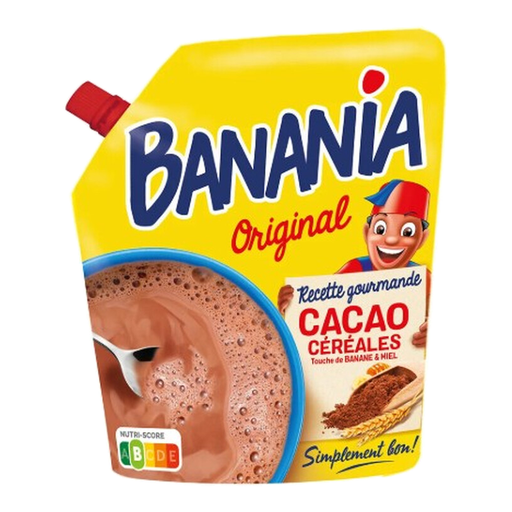 Image unavailable
Bananina Original, chocolate drink powder, 400 g
This 400 g pack gives you enough for several servings. Check the sugars, ingredients and allergens for this specific product; don’t confuse it with the Banania Original powder described above.
View on Joybuy
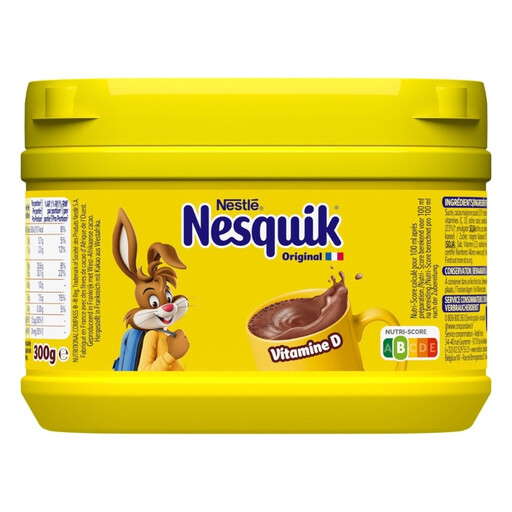 Image unavailable
Nesquik Original, chocolate drink powder, 300 g
If you’re looking for a 300 g pack of chocolate drink powder, compare its recommended serving size and sugar content with the other recipes you’re considering. Nesquik Original is a different variant from ‘Less Sugar’, so check the label for the product you buy.
View on Joybuy
Frequently asked questions
Is Nutri-Score compulsory on chocolate drink powders in France?
No. France’s Ministry of the Economy and the DGCCRF say that displaying it is voluntary. The DGCCRF explains that a nutrition declaration has been compulsory for prepacked foods since 13 December 2016. When choosing a powder, check its ingredients and allergens too.


