Travellers who want a portion without measuring
For one or a few cups away from home, an individual stick means you don’t need to bring a spoon to measure the powder. Do check how much liquid you’ll need to make it, though.


To make a few cups while you’re on holiday without measuring out the powder, choose individual portions rather than relying on a sachet’s pyramid shape: this doesn’t prove that it makes better hot chocolate. For several people, a powder you can measure out or unsweetened cocoa may be suitable if you have the equipment you need. In every case, compare the sugars, ingredients and allergens in the specific product you choose.
For one or a few cups away from home, an individual stick means you don’t need to bring a spoon to measure the powder. Do check how much liquid you’ll need to make it, though.
If you’re choosing between a classic powder, a ‘less sugar’ recipe and unsweetened cocoa, compare the sugar content on the same basis and check how much powder is used per cup. The recipe name or the presence of a Nutri-Score alone won’t tell you everything you need to know.
Before taking a powder intended for several people, check the label of the exact product. The recipes mentioned by Banania, Carrefour and Poulain have different ingredients, particularly cereals, milk and soya.
First, choose between pre-measured portions and powder you measure yourself, based on how many cups you need and what equipment you have. Then check the recipe for each product: the format tells you nothing about its sugar content or allergens.
| Criteria | What to check | Who it’s for |
|---|---|---|
| Portions and measuring | Number and weight of portions; the liquid and equipment needed to make a cup. | When I’m travelling and only need a few cups, I’d rather not bring a spoon or guess the amount. Around 42% of consumers would put individual portions at the top of their list of needs. |
| Managing sugar intake | Sugars per 100 g and the amount of powder used per cup; what exactly is being compared in any ‘less sugar’ claim. | When sugar content guides my choice, I want to distinguish a sweetened drink from unsweetened cocoa without relying on the name alone. Around 33% of consumers would make managing their sugar intake a priority. |
| Ingredients and allergens | Ingredients list, allergens and ‘may contain’ statements on the product you’re buying. | If several people are sharing the same powder, I want to spot any ingredients that don’t suit their dietary needs. Around 25% of consumers would make this check their top priority. |
The shape of a sachet isn’t enough to tell you what’s inside or how to prepare it. Nor does it prove that it makes better hot chocolate.
Before choosing this format, check that the product description says it’s hot chocolate and lists its ingredients and preparation instructions. If you simply want to avoid measuring, take a look at powder sticks too.
The Carrefour Bio chocolate powder product mentioned by Carrefour lists 68 g of added sugars per 100 g. According to Santé publique France, displaying the Nutri-Score is voluntary. Its presence or absence doesn’t tell you how much sugar is in a cup.
Read the nutritional information and ingredients for the exact product, then take into account how much powder you use.
Banania lists wheat and barley in its Original recipe. Carrefour’s product listing for Poulain Grand Arôme Moins de Sucres says it may contain milk and soya. Don’t assume that another recipe from the same brand has the same ingredients.
Check the ingredients, allergens and any ‘traces of’ statements on the pack you plan to take with you.
Classic chocolate powders and a ‘Moins de Sucres’ recipe.
A range of Grand Arôme powders, including a ‘Moins de Sucres’ product.
According to Banania, its Original powder combines cocoa, cereals, banana and honey.
The retailer offers chocolate powders and unsweetened cocoa, among other products.
E.Leclerc’s range includes Equador pure unsweetened cocoa and P'TIT DELI instant chocolate drink, among other products.
The retailer offers 100% pure unsweetened cocoa powder and chocolate drink mixes, among other products.
These three cocoa drinks come in sachets or sticks, making them handy portions to take with you. They aren’t pyramid sachets, so choose between them based on the recipe, number of portions and liquid needed.
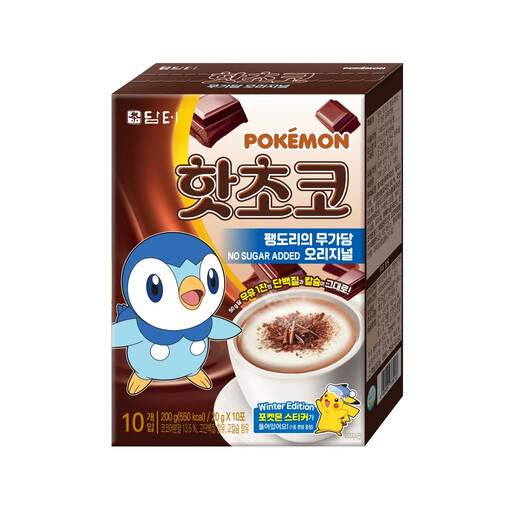 Image unavailable
These individual sachets are handy if you want to take portions with you without measuring the powder. ‘Sugar Free’ appears in the product name; check the nutritional information rather than assuming what it contains based on this claim. The listed ingredients include maltitol, starch syrup, milk and soya. Check the label before sharing.
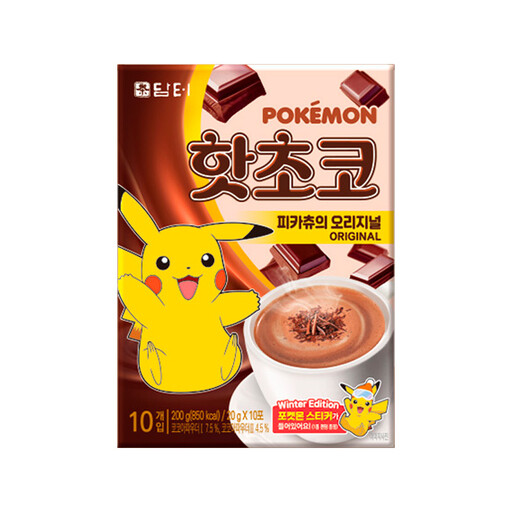 Image unavailable
The ten 20 g sachets save you having to measure the powder for each cup. This product lists 55 g of sugars per 100 g and contains milk. If sugar or allergens are important to your choice, check the label and how much you use per cup.
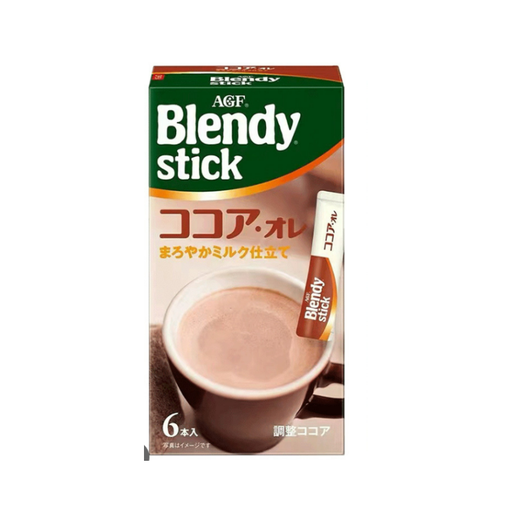 Image unavailable
The six sticks are handy if you want separate portions without taking loose powder with you. You’ll need hot water. The recipe contains sugar and milk, and may contain traces of soya. Check the sugars per portion on the pack if this matters to you.
No. Santé publique France explains that producers can choose whether to display the Nutri-Score. Its absence alone doesn’t tell you what a powder contains; check its nutritional information and ingredients.
Individual sticks save you having to measure the powder each time. Check how many portions are in the pack, what liquid you need and whether you’ll be able to heat it where you’re staying. Carrefour, for example, lists a Nestlé product with 12 sticks of 13,5 g.
Compare the ingredients and sugars per 100 g, then check how much you use per cup. ‘Less sugar’ is a comparison you’ll need to assess for the specific product; ‘organic’ doesn’t tell you its sugar content. With unsweetened cocoa, also consider what you add to your drink.