If you want a drink that’s already sweetened
You want to mix a chocolate drink powder with milk without having to add and measure out sugar separately.


For a chocolatey drink during a night in front of the TV, choose a sweetened mix if you want a set flavour without having to measure out sugar separately. Choose unsweetened cocoa if you’d rather decide what to add yourself. A ‘less sugar’ mix is another option, but compare the values per 100 g of powder, then check the amount in the serving you actually make, including the milk and how much powder you use. If you’re looking for a tin to keep in the cupboard, check how it closes before you buy.
You want to mix a chocolate drink powder with milk without having to add and measure out sugar separately.
You compare the nutritional values of different recipes, or prefer to start with unsweetened cocoa so you can decide what to add.
You check the stated cocoa percentage, while also making sure you know whether the powder contains sugar.
To compare powders, start with the ingredients and the values per 100 g. When making your drink, then check how much powder you use and what liquid you add. A value given per cup or mug may include the milk.
| What to look at | What to check | Who is it for? |
|---|---|---|
| Sugars in the drink | The ‘of which sugars’ value per 100 g of powder, then the prepared serving, taking into account how much powder you use and the milk. | If you want to decide how much sugar to add to your cup, both the powder’s ingredients and the finished drink matter. Around 42% of consumers would make this their main priority. |
| Easy preparation | The instructions and the amount of powder recommended per cup; for cupboard storage, check the container and how it closes. | When serving a drink during a night in front of the TV, you may prefer a sweetened mix that needs no extra measuring. This simplicity would be the main priority for around 33% of consumers. |
| Cocoa flavour and customisation | The cocoa percentage, if stated, and where sugar appears in the ingredients list. | If you want a stronger cocoa flavour or a drink you can customise yourself, you’ll want to distinguish sweetened powder from unsweetened cocoa. Around 25% of consumers would put this option first. |
In France, the Ministry of the Economy states that displaying a Nutri-Score is voluntary. The DGCCRF says that prepacked food must carry a nutrition declaration, subject to the applicable exceptions.
Compare the nutritional information per 100 g, particularly the sugars, and don’t rule out a tin simply because it doesn’t display a Nutri-Score.
Values given per cup or mug may include the nutritional content of the milk used in the recipe. In that case, they don’t describe the powder on its own.
First compare powders on the same per-100 g basis, then check how much powder and what type of milk you’ll use for the drink you’re serving.
According to Chocolat Poulain, its 1848 product contains 50% cocoa, but also contains sugar; the stated prepared drink contains 17 g of sugars. So the cocoa percentage is no substitute for checking the nutritional information.
Read the ingredients, cocoa percentage and ‘of which sugars’ value together for the product you’re considering.
These examples refer to specific products, not every recipe from each brand or necessarily to products in the Joybuy selection below.
The brand offers, among other products, a classic mix and a ‘Less Sugar’ version.
The 1848 product is an example of a sweetened powder with a stated cocoa percentage.
Banania Original chocolate powder is described as a mix for making a drink with milk.
Carrefour Bio is an example of a sweetened mix with a clearly listed composition.
The products listed by E.Leclerc include a sweetened instant mix and a low-fat cocoa powder.
The Intense and 100% Cocoa products offer two different ways to make a chocolate drink.
This selection includes chocolate powders for making a drink, including several sweetened recipes and a pack of individual sachets. If you want a resealable tin for cupboard storage, check the packaging of the product you’re interested in before ordering.
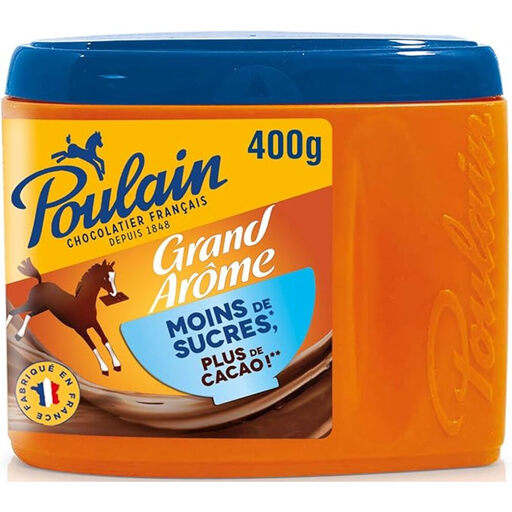 Image unavailable
Worth considering if you’re looking for chocolate powder in a 400 g pack. Before choosing it for your drinks, compare the sugars and recommended serving size on the label; also check whether the container can be resealed after opening.
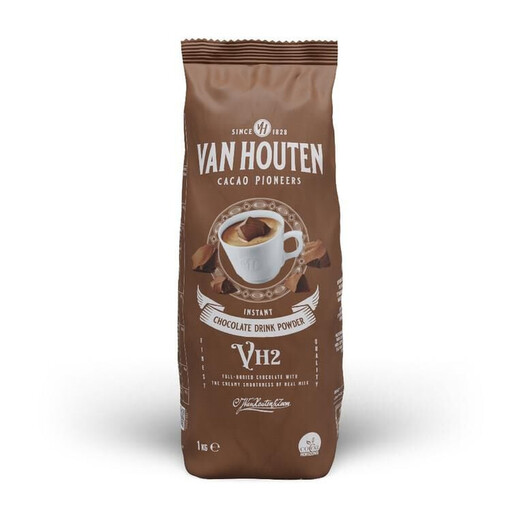 Image unavailable
This 1 kg pack may appeal if you make chocolate drinks regularly. Check what the ‘34%’ refers to, along with the ingredients, any declared allergens and the type of container.
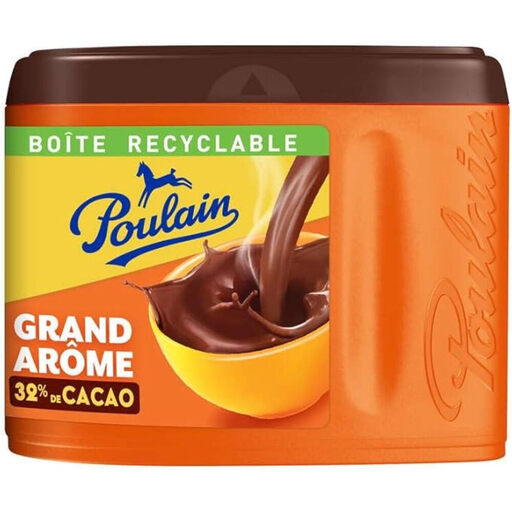 Image unavailable
This 450 g version is for anyone comparing pack sizes of chocolate powder. Check the recipe and per-100 g values for this particular version rather than relying on those for the 400 g pack; also check how the container closes.
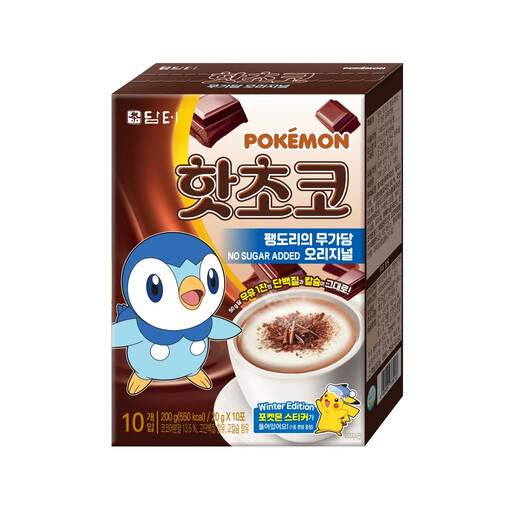 Image unavailable
Individual sachets are handy if you prefer to make one cup at a time rather than scoop powder from a tin. This pack isn’t a substitute for a resealable jar; check the ingredients, allergens and nutritional information on the packaging before relying on any claims about sugar.
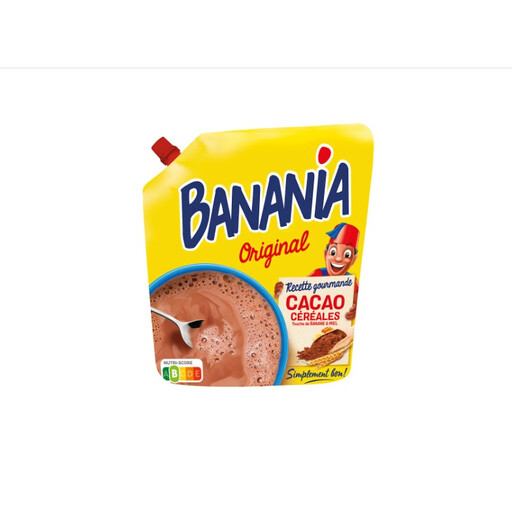 Image unavailable
This 1 kg pack may suit anyone who regularly makes chocolate drinks. Compare its ingredients and nutritional values with other sweetened recipes, then check the container and allergen warnings on the packaging. Don’t confuse it with a Banania product.
No. Dry powder shouldn’t automatically be treated as a taxed drink. The legislation published on Légifrance covers drinks and liquid preparations for drinks under the conditions it sets out. A ready-to-drink product or liquid preparation should be considered according to its own circumstances.
No. According to the Ministry of the Economy, displaying it remains voluntary in France. The DGCCRF says that prepacked food must carry a nutrition declaration, subject to the applicable exceptions. Check this information to compare, among other things, sugars per 100 g.
Use the per-100 g values to compare powders, then look at the recipe for each cup. Before comparing two values for prepared drinks, take into account the amount of powder, the volume and the type of milk.
Follow the instructions for the product you buy and check that its container can be properly resealed. Auchan’s product information for some chocolate powders and cocoa products recommends storing them away from heat and moisture.
No. Auchan’s 100% Cocoa product information warns of possible traces of gluten, milk, eggs, soya and nuts. If you have an allergy, check the ingredients and warnings on the packaging of the product you actually buy. ‘100% cocoa’ alone doesn’t rule out the risk of traces.