People making several cups
If you’re serving friends and don’t want to improvise with every cup, look for clear instructions on how much powder and liquid to use. Also check that the pack is easy to store in your cupboard.


To serve hot chocolate to a group, first choose a powder that can be prepared with the milk or water you plan to use, then compare recipes according to the flavour you’re looking for. Check the ingredients, sugars per 100 g and allergens for the exact product; finally, choose a pack size that suits how often you’ll be serving it.
If you’re serving friends and don’t want to improvise with every cup, look for clear instructions on how much powder and liquid to use. Also check that the pack is easy to store in your cupboard.
If cocoa flavour is your priority, compare the ingredients, the cocoa content where stated, and the recommended amount per serving. A cereal-based recipe, for example, offers a different experience from a powder focused on cocoa.
If any of your guests need to avoid soya, milk or gluten, ask them before serving and read the label on the pack you’ve chosen, including any ‘may contain’ statements.
For a get-together with friends, start by thinking about how you’ll prepare the drinks and what your guests prefer. You can then compare the ingredients and pack sizes to find powders that suit the way you plan to serve them.
| Criteria | What to check | Who is it for? |
|---|---|---|
| Preparation | The amount per cup and the recommended liquid: milk, water or either, depending on the recipe. | If I’m making several cups in a row, I want to use the same method each time without having to switch liquids at the last minute; around 31% of consumers would prioritise ease of serving. |
| Flavour and ingredients | The ingredients, cocoa content where stated, and sugars per 100 g of powder. | To serve the flavour my guests are expecting, I want to distinguish a cocoa-based recipe from a cereal-based one; flavour and ingredients would come first for around 31% of consumers. |
| Allergens | The ingredients list and any ‘may contain’ statements on the exact product. | If a guest needs to avoid certain ingredients, I need to know what’s in the recipe before serving them a cup; suitability for these restrictions would be a priority for around 23% of consumers. |
| Pack size | The pack weight, storage instructions and amount used per cup. | When I serve hot chocolate occasionally, I prefer a quantity that suits my cupboard and my habits; around 15% of consumers would put pack size first. |
The DGCCRF states that displaying Nutri-Score is voluntary in France. Whether it appears on the pack or not, you still need to check the recipe.
To compare two powders, read their ingredients and nutritional information on the same basis, particularly the sugars per 100 g. Also take account of how much powder you use per cup.
The products described by Nestlé Professional, Carrefour and Banania have different guidance regarding soya, milk and cereals containing gluten. Another recipe from the same brand may also be different.
Ask your guests about any dietary restrictions, then check the ingredients and any ‘may contain’ statements on the pack you’re serving.
A 1 kg pack will make a different number of cups depending on the recommended serving size. The pack weight alone won’t tell you whether it suits how often you serve hot chocolate.
Work out how many cups you can make using the recommended amount, and check the best-before date and storage instructions after opening.
The 1 kg Nesquik tin described by Nestlé Professional is made with milk, while a milk-based mix described by Cafés Canton can be made up with hot water or milk. These instructions aren’t interchangeable.
Follow the preparation instructions on your pack and make sure you have the right liquid ready before your guests arrive.
The 1 kg Nesquik tin described by Nestlé Professional is a powder to be made with hot or cold milk.
The range includes Grand Arôme and Grand Arôme Moins de Sucres. These names are a reminder to check the exact variant, rather than relying on the brand name alone.
Banania Original combines cocoa, cereals, banana and honey, making it different from a cocoa powder without these ingredients.
These chocolate powders come in a range of pack sizes and recipes to consider for a get-together with friends. For each one, check that the preparation instructions and label suit your group’s tastes and dietary restrictions.
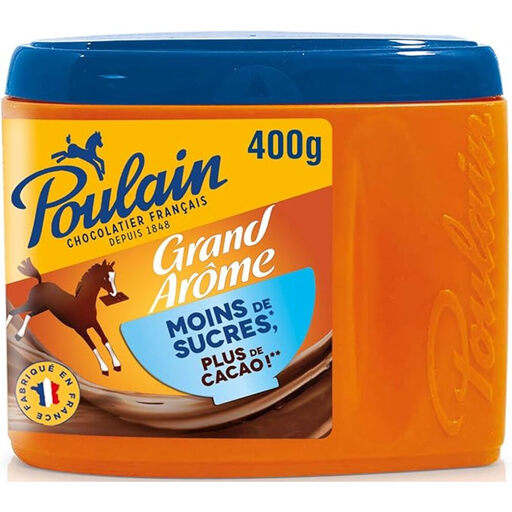 Image unavailable
A 400 g pack to consider if you want enough for several cups without opting for a 1 kg pack. Check the preparation instructions and label for this variant before deciding how much to serve per person or offering it to guests with dietary restrictions.
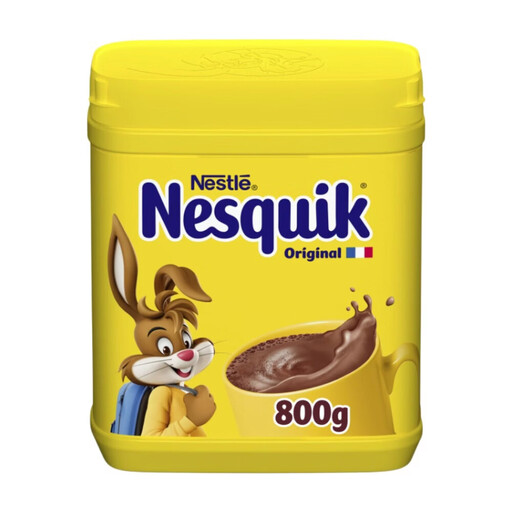 Image unavailable
The 800 g pack may suit you if you make hot chocolate regularly. Check the serving size, recommended liquid and allergens on this pack: don’t assume the information for the 1 kg Nesquik tin automatically applies to this variant.
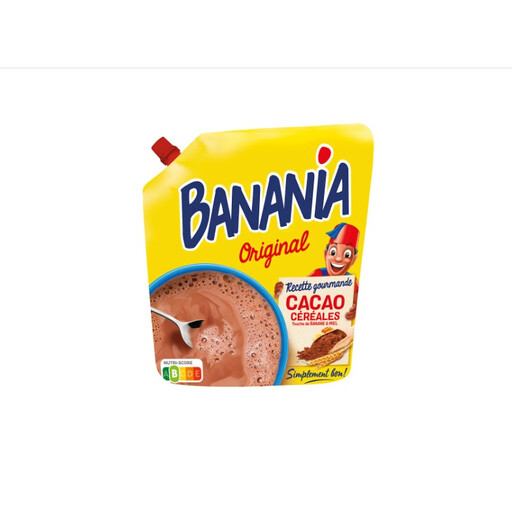 Image unavailable
This 1 kg pack is worth considering if the quantity suits your serving habits. Check the recipe, allergens and preparation instructions on the label; don’t assume it contains the ingredients listed for Banania Original, which has a different name.
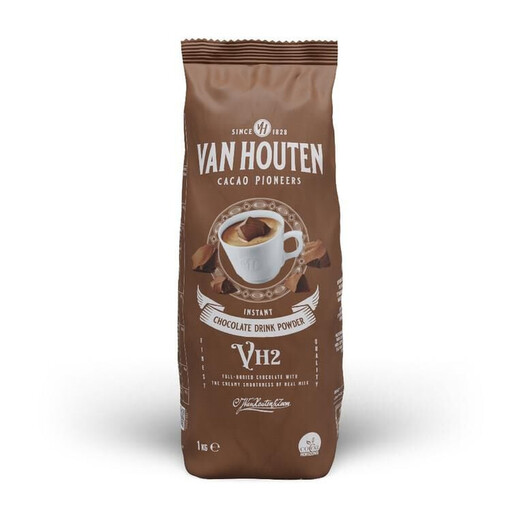 Image unavailable
If you’re looking for a 1 kg pack with 34% in the product name, compare its full ingredients list with other recipes before choosing. Also check the amount per cup and allergens on the packaging.
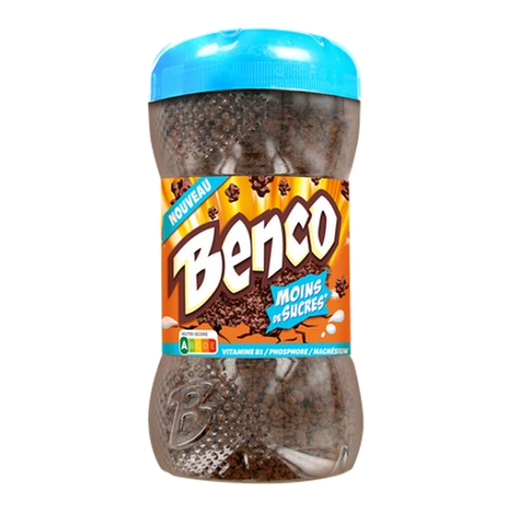 Image unavailable
This 400 g pack can be compared with other options based on how many cups you plan to make. To assess its ingredients, check the sugars per 100 g and the ingredient list for this variant rather than relying on the name ‘Less Sugar’ alone. Also check the preparation instructions.
No. The DGCCRF states that Nutri-Score is a voluntary label. When comparing pre-packed foods, check the nutritional information where applicable, particularly the sugars per 100 g, along with the ingredients and serving size.
No, you should follow the instructions for the product you’ve chosen. Nestlé Professional specifies milk for its 1 kg Nesquik tin, while the milk-based mix described by Cafés Canton can be made up with hot water or hot milk. Also check the allergens before serving.
Check the label on the exact pack for anything your guests need to avoid. Depending on the recipe, products described by Nestlé Professional, Carrefour and Banania contain soya or cereals containing gluten, or carry statements about the possible presence of milk. You can’t make assumptions about every variant based on the brand name alone.
No, the sugar content alone isn’t enough to determine this. In France, Article 1613 ter of the General Tax Code, published by Légifrance, applies to drinks and liquid preparations that fall under specific customs classifications and are packaged ready to drink; dry powder should not automatically be treated as one of these products.