Parents short on time at breakfast or during night feeds
If your mornings or nights are busy, you may want a powder that’s easy to measure and put away. Check the packaging and preparation instructions for the product you choose.


For a quick hot chocolate, choose a pack that’s easy to store and a serving size that suits your routine. Then compare the sugars per 100 g of powder and check the ingredients for the exact product. A larger pack is best if you drink it regularly; a “less sugar” claim is no substitute for checking the nutrition information and allergens.
If your mornings or nights are busy, you may want a powder that’s easy to measure and put away. Check the packaging and preparation instructions for the product you choose.
To compare a standard recipe with a “less sugar” version, check the figures per 100 g of powder, followed by those for the prepared drink, if provided. The ingredients and serving size matter too.
If you make hot chocolate often, a larger pack can mean fewer trips to restock. Still, choose an amount that suits how much you drink and the storage instructions.
If you’re new parents, start with a serving size and storage option that work for you. Then compare recipes using the same nutritional measure before choosing a pack size.
| What to consider | What to check | Who is it for? |
|---|---|---|
| Sugars and ingredients | Compare the sugars per 100 g of powder and the ingredients list for each version. Don’t confuse this figure with the amount in a prepared drink. | If I want to tell a standard recipe apart from a “less sugar” version, the figure per 100 g helps me compare products on a like-for-like basis. Around 39% of consumers would put checking sugar content at the top of their list. |
| Serving size and storage | Check the serving sizes, preparation instructions and storage advice for the pack you choose. | On busy days, I prefer an amount that’s easy to scoop and a pack that I can put away easily. This convenience would be the main priority for around 38% of consumers. |
| Stock size | Choose the net weight based on how often you drink it and how much storage space you have. | If hot chocolate is a regular treat at home, I want enough powder without leaving an opened pack for too long. Stock size would come ahead of other criteria for around 23% of consumers. |
According to the European Commission, front-of-pack nutrition labelling is voluntary in the European Union. So, if there’s no Nutri-Score, you should still check the nutrition information.
Compare the sugars per 100 g and the ingredients, whether or not a Nutri-Score is shown.
The name of a product variant doesn’t tell you, on its own, how much sugar it contains or which allergens are listed.
Check the nutrition information and ingredients for the exact product, then compare them using the same unit.
A larger quantity is only practical if it suits how often you drink it and the space you have to store it.
Check the net weight and storage instructions before deciding how much to keep in the cupboard.
The range includes standard chocolate-flavoured powders and a “Less Sugar” version.
The Grand Arôme range includes a “Less Sugar” version.
A chocolate-flavoured powder whose recipe, as listed by Carrefour, combines cocoa with cereals, among other ingredients.
These products let you compare single-serve sachets with two packs of powder or granules to keep in the cupboard. Compare the serving size, ingredients and quantity to find what suits your consumption.
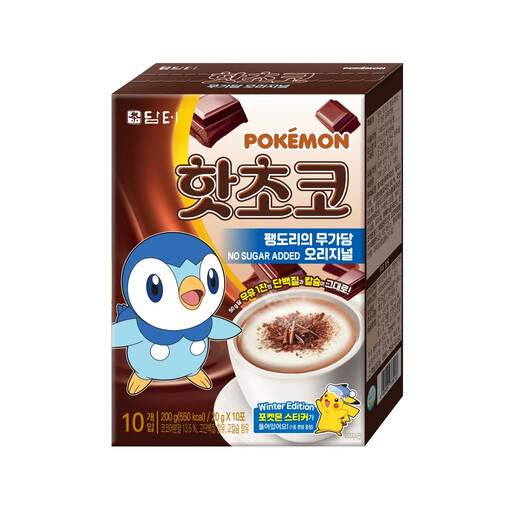 Image unavailable
Single-serve sachets may suit you if you’d rather make one portion without scooping powder from a large pack. Check the ingredients, allergens and preparation instructions for this version.
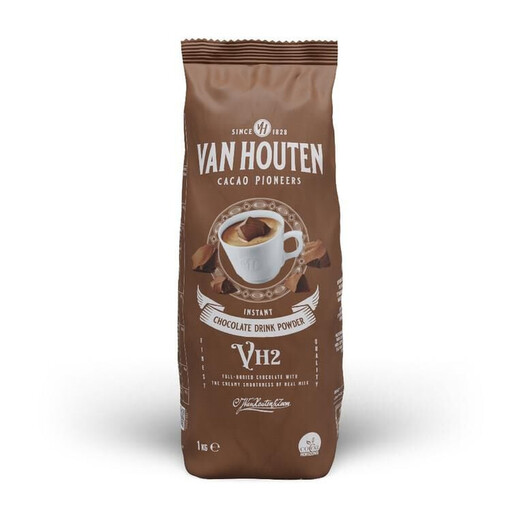 Image unavailable
The 1 kg pack is suited to households that regularly make chocolate drinks and have somewhere suitable to store it. Check the packaging to see what “34%” refers to, as well as the serving size and nutrition information.
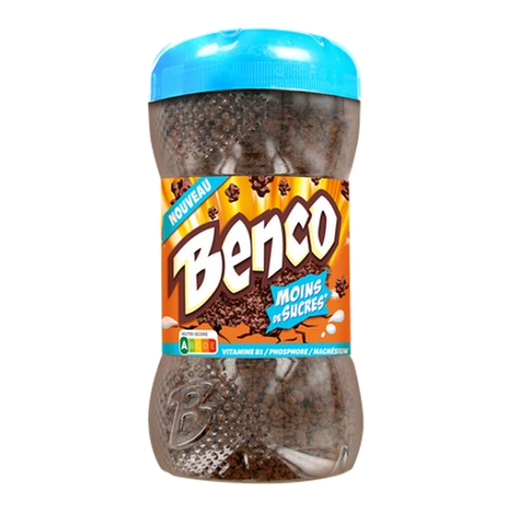 Image unavailable
The 400 g pack may suit you if you prefer to keep a smaller quantity in the cupboard. To assess the Less Sugar version, check its sugars per 100 g and serving size rather than relying on the name alone.
No. According to the European Commission, front-of-pack nutrition labelling is voluntary. When comparing powders, check the nutrition information and ingredients list, even if the pack displays a Nutri-Score.
Start by comparing the sugars per 100 g of powder, then consider the serving size and ingredients for each version. A figure given for a prepared drink can only be compared directly with one for another prepared drink on the same basis.
Yes. Check the ingredients and allergen information for each version. Carrefour listings, for example, show wheat and barley in the 400 g Banania recipe, while Poulain Grand Arôme Less Sugar may contain milk and soya.