Fans of rich cocoa
If you’re looking for a cup with a pronounced cocoa flavour, compare the cocoa content, type of powder and recommended amount rather than relying on the word ‘intense’ alone.


For a rich hot chocolate on New Year’s Eve, choose a powder that states its cocoa content, or opt for unsweetened cocoa if you’d like to control the intensity and added sugar separately. The word ‘intense’ isn’t enough to compare recipes: check the sugars, allergens and recommended amount per cup too, especially if you’re serving several guests.
If you’re looking for a cup with a pronounced cocoa flavour, compare the cocoa content, type of powder and recommended amount rather than relying on the word ‘intense’ alone.
When making hot chocolate for New Year’s Eve, check the pack size and the recommended amount per cup. Clear instructions make it easier to prepare several servings.
To cater for different sugar preferences or allergens, compare the sugars listed in the nutritional information and check the ingredients on the pack you plan to serve.
For New Year’s Eve, first choose between a chocolate drink mix that you prepare according to its instructions and unsweetened cocoa that you can customise yourself. Then compare recipes based on the cup you’ll actually serve, not just the claims on the front of the pack.
| What to consider | What to check | Who is it for? |
|---|---|---|
| Cocoa flavour | The cocoa content of the exact product and the recommended amount per cup; ‘intense’ is no substitute for this information. | I want the cocoa to stand out in my festive cup, rather than choosing based on a vague name alone. Around 36% of consumers would put a rich cocoa flavour at the top of their list. |
| Sugars | The ‘of which sugars’ figure per 100 g and, if shown on the pack, per prepared serving. With unsweetened cocoa, also allow for any sugar you add. | If I’m making drinks for guests with different tastes, I’d rather be able to adjust the sugar in each cup. Around 29% of consumers would make controlling sugar their main priority. |
| Serving several cups | The pack size, amount per cup and preparation method. | I need to serve several hot chocolates over New Year’s Eve and want to follow the same recipe without guessing the quantities. Around 21% of consumers would prioritise this ease of serving. |
| Ingredients and allergens | The ingredients list, highlighted allergens and any ‘may contain’ statements on the pack you buy. | Before serving everyone, I need to make sure the recipe and the base I use are suitable for the guests. Around 14% of consumers would put this suitability first. |
Auchan’s product pages state a minimum cocoa content of 32% for its ‘intense’ powder and 70% for a Poulain product. So the same word on the front of the pack doesn’t tell you the full composition of each product.
Compare the cocoa content, ingredients and recommended amount for the products you’re considering.
In France, Santé publique France says that displaying the Nutri-Score is voluntary. The DGCCRF distinguishes this logo from the nutritional declaration required for relevant prepacked foods, so the absence of a logo is no reason to skip the nutritional information.
In particular, compare sugars per 100 g and take into account the amount of powder and the ingredients used in your cup.
A chocolate drink mix may already contain sugar and other ingredients. E.Leclerc’s product page for unsweetened Equador powder, on the other hand, lists cocoa powder and an acidity regulator. The finished drink will depend on what you add.
Choose the first option if its recipe and recommended amount suit you. With unsweetened cocoa, plan what you’ll use as a base and adjust the sugar separately to suit different tastes.
Recipes aren’t interchangeable: Auchan’s product page for Banania lists wheat and barley, among other ingredients, while Carrefour’s page for Nesquik Moins de Sucres lists soya lecithin.
Before New Year’s Eve, check the ingredients and any trace warnings on the exact pack you’ve bought. Don’t assume they’re the same across different recipes.
Worth considering when comparing powders with a stated cocoa content.
Ready-to-mix chocolate drinks, including a Moins de Sucres version.
A cocoa and cereal-based mix, rather than an option focused on cocoa alone.
A retailer where you can find several types of chocolate powder and cocoa.
A retailer offering its own brand of intense chocolate powder, among other products.
A retailer where you can compare unsweetened cocoa powder with chocolate drink mixes.
These powders could all be used to make hot chocolate for New Year’s Eve. Their pack sizes and product names vary, so if you’re after a rich cup, compare the ingredients and recommended amount on the exact pack with your serving preferences.
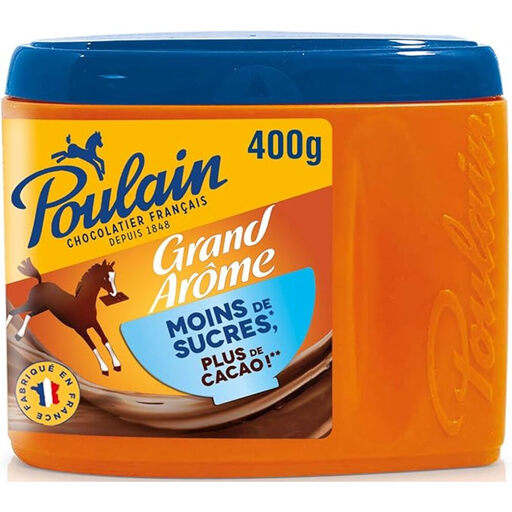 Image unavailable
A size to consider if you’re making several cups of hot chocolate. Check the pack for the cocoa content, sugars, allergens and recommended amount for your recipe.
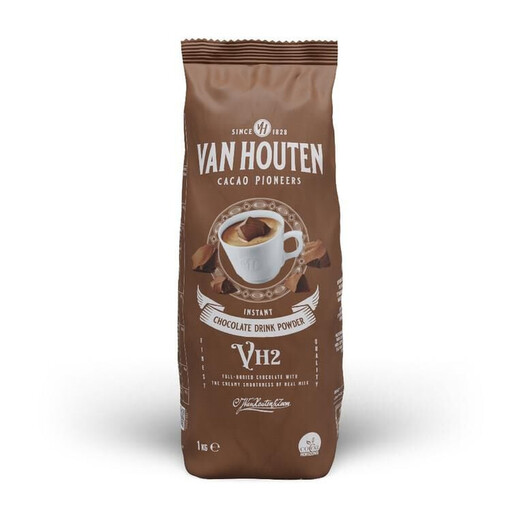 Image unavailable
The 1 kg pack may suit anyone making several cups. The product name includes ‘34%’, so check the pack to see which part of the recipe this refers to, as well as the recommended amount and allergens.
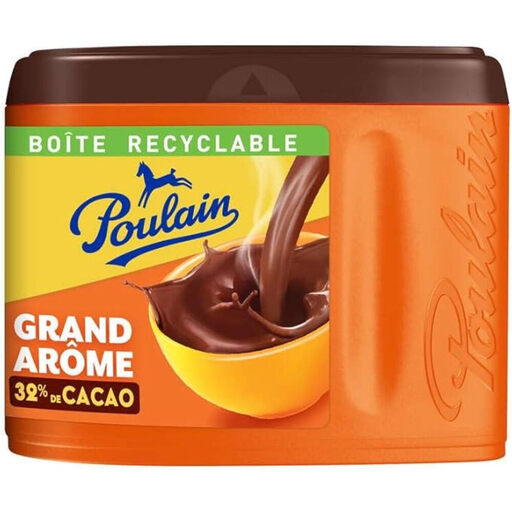 Image unavailable
This 450 g pack offers another size for serving on New Year’s Eve. Before choosing, compare its ingredients, sugars and preparation instructions with those of the 400 g product.
No. In France, Santé publique France says that displaying the Nutri-Score is voluntary. The DGCCRF states that a nutritional declaration is required for relevant prepacked foods, so you can compare nutritional information even when there’s no logo.
Start with the recommended amount for the product you’ve chosen, then adjust the quantities for the number of cups. As an example for this specific product, Auchan’s page for Poulain Grand Arôme with 70% cocoa recommends 15 g of powder for 200 ml of hot semi-skimmed milk. Don’t use this amount for another powder without checking its instructions.
Read the ingredients, highlighted allergens and any trace warnings on the exact pack you’re serving. The product pages reviewed list soya lecithin for Nesquik Moins de Sucres, and wheat and barley for Banania. These details don’t apply to every recipe from those brands.
It lets you decide how much sugar to add, but the sugars in the finished drink also depend on the base you use and any other ingredients. To compare recipes, check the sugars per 100 g of powder and the amounts you’ll actually add to each cup.