To make a rich hot chocolate over the October half-term, first choose between unsweetened cocoa, which lets you control the recipe, and pre-sweetened instant powder. The products featured here contain between 19% and 100% cocoa, according to their labels. Compare the sugars per 100 g and check for allergens too, as the cocoa percentage alone doesn’t tell you how your prepared drink will taste.
Who are these options for?
Fans of a pronounced cocoa flavour
If you like to adjust the milk and sugar yourself, 100% unsweetened cocoa is worth considering. If you prefer an instant drink, compare products that state their cocoa content, particularly those with at least 50% cocoa.
Families looking for an easy option
If you’re making several cups for breakfast or an afternoon treat, pre-sweetened instant powder may be more convenient. The products with 32% cocoa offer a higher cocoa proportion than the family-style recipes with 19% or 23% cocoa featured here, without having to make the drink from pure cocoa.
Consumers who check what’s in their food
Compare the sugars per 100 g of powder, then read the ingredients list and allergen information for the exact product you’re buying. These checks are especially important when several people in your household drink the same hot chocolate.
What should you look for?
Pure cocoa lets you control how you make your drink; instant powder is more convenient, but its cocoa content and sugar levels depend on the recipe. For the cups you’re planning over the October half-term, prioritise the features that matter most to you.
| What to consider |
What to check |
Who is it for? |
| Cocoa flavour and control over sweetness |
Compare the stated cocoa content and sugars per 100 g of powder. If you’re using unsweetened cocoa, remember to factor in any sugar you might add. |
For a more cocoa-rich cup, I’d rather choose how much sugar to add than use an already-sweetened recipe. Around 50% of consumers prioritise flavour and control over sweetness. |
| Making several cups |
Check the preparation instructions, serving size and pack format. |
For breakfast or an afternoon treat over the holidays, I want to make several drinks without mixing each one from pure cocoa. For around 30% of consumers, convenience matters more than intensity. |
| Ingredients and allergens |
Read the ingredients, sugars per 100 g and allergen information on the exact pack you’re buying. |
Before serving the same hot chocolate to the whole family, I need to know whether it’s suitable for everyone. Checking the sugars, ingredients or allergens is the top priority for around 20% of consumers. |
Mistakes to avoid
-
Relying on the word ‘intense’ alone
An evocative product name doesn’t tell you how much cocoa it contains. The products covered here have different stated cocoa percentages, but those figures alone don’t measure how the drink will taste.
Check the cocoa percentage on the pack, then compare it with the ingredients list and sugars per 100 g.
-
Comparing powder with a prepared drink
Nutrition figures per 100 g of powder, per serving and for a drink made with milk refer to different quantities and recipes.
First compare the powders on the same per-100 g basis. Then, for your cup, check the recommended serving size and the liquid used.
-
Expecting pure cocoa to make a sweetened drink
100% unsweetened cocoa lets you control the recipe, but it won’t make the same drink as instant powder that already contains sugar. The sugar content of the powder alone doesn’t reflect that of a cup once you’ve added sugar.
Choose pure cocoa if you want to adjust the sweetness yourself. Otherwise, look at an instant mix and its nutrition information.
-
Forgetting about allergens when comparing cocoa
Ingredients vary between products: the Nesquik product information lists soya lecithin, while Banania Original contains gluten-containing cereals and may contain traces of milk and soya.
Always check the label for the specific variant and pack you’re buying, even if you’ve already looked at a product page.
Brands to consider
Poulain
The product information for Chocolat Poulain states that Grand Arôme contains 32% cocoa. It’s worth considering if you’re looking for a ready-made cocoa-rich powder.
- The cocoa content is stated for this product.
- The cocoa percentage doesn’t replace checking the sugars and allergens on the pack you choose.
Ethiquable
The product information for the organic instant chocolate featured by Auchan states that it contains at least 50% cocoa.
- This stated proportion helps you compare it with the other instant powders featured here.
- On its own, it doesn’t guarantee how intense the prepared drink will taste.
Auchan
Two products suit different ways of making a drink: Chocolat intense contains at least 32% cocoa, while the unsweetened cocoa powder contains 100% cocoa.
- With unsweetened cocoa, you can decide separately whether to add sugar.
- The Chocolat intense product information lists 68 g of sugars per 100 g; the pure cocoa is intended to be prepared with milk and, depending on your taste, sugar.
Nesquik
The 1 kg tub of instant mix described by Nestlé Professional France contains 23% cocoa.
- It’s an instant mix for those who prefer this way of making a drink.
- The product information lists 75.1 g of sugars per 100 g of powder and mentions soya lecithin.
Banania
Banania Original combines cocoa and cereals with banana and honey, making it different from pure cocoa.
- Banania’s product information states that it contains 19% cocoa, which is useful when comparing ingredients.
- It lists 69 g of sugars per 100 g, contains gluten-containing cereals and may contain traces of milk and soya.
P'tit Deli
E.Leclerc’s product information for this instant chocolate drink states that it contains 21% cocoa and displays a Nutri-Score B for this product.
- The cocoa content and logo shown are specific to this product.
- Nutri-Score doesn’t tell you how intense the drink will taste; check the ingredients and nutrition information too.
Chocolate powders available on Joybuy
These Joybuy products are for making chocolate drinks and come in family-size packs or individual sachets. To choose a rich cup, compare the information on the pack with how much control you want over the sweetness: a product name such as ‘Intense’ isn’t enough to establish its cocoa content.
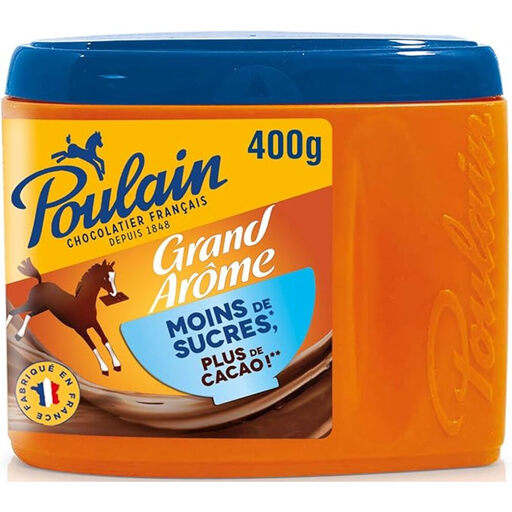 Image unavailable
Poulain rich-flavour cocoa 400 g
Worth considering if you’re looking for hot chocolate powder in this size. Before choosing it for a rich cup, check the label for the cocoa content, sugars per 100 g, allergens and recommended serving size.
View on Joybuy
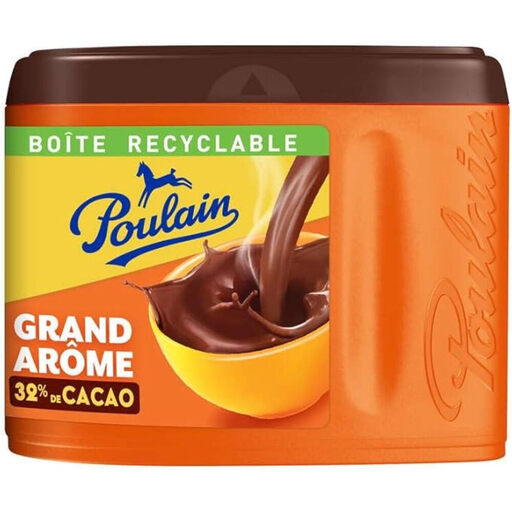 Image unavailable
Poulain rich-flavour cocoa 450 g
This size may suit you if you’re planning to make several hot chocolates over the holidays. Compare the nutrition information per 100 g, and check the preparation instructions and allergens on the 450 g pack.
View on Joybuy
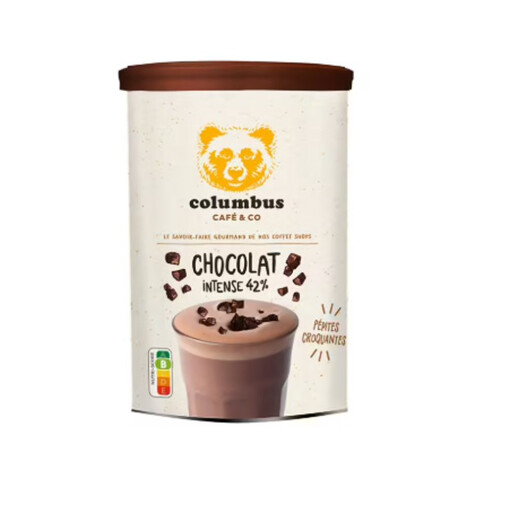 Image unavailable
Columbus Intense chocolate powder 320 g
When making a hot chocolate drink, don’t assume it will taste intense just because the name says ‘Intense’. Check the ingredients and total cocoa content on the pack. If you’re making cups for several people, check for allergens too.
View on Joybuy
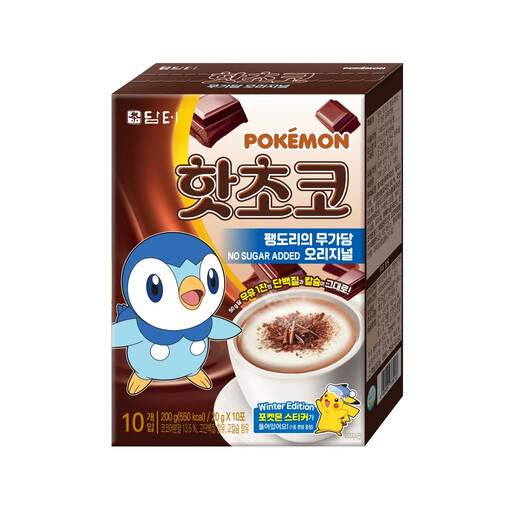 Image unavailable
DAMTUH Pokemon Sugar Free, 10 x 20 g sachets
Individual sachets are handy when you want to make one serving at a time. To compare this product with other powders, read its nutrition information and ingredients list, then check the cocoa content and allergens for the variant you’re buying. The product name doesn’t tell you how cocoa-rich it will taste.
View on Joybuy
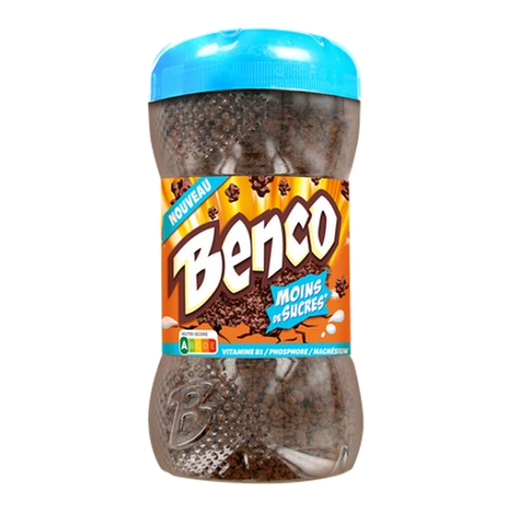 Image unavailable
BENCO Less Sugar granules 400 g
These granules are worth considering for making a chocolate drink. If a rich cup or comparing sugar levels is your priority, check the cocoa content and figures per 100 g on the pack. The words ‘Less Sugar’ alone don’t tell you what it’s being compared with.
View on Joybuy
Frequently asked questions
Is chocolate powder automatically subject to France’s ‘soda tax’?
No. Its sugar content alone isn’t enough to establish that a dry powder falls within the scope of this levy. Article 1613 ter of the French General Tax Code, published by Légifrance, covers drinks and liquid preparations for drinks; whether a specific product qualifies depends on the conditions set out in the legislation.
Is Nutri-Score compulsory on chocolate powder?
No. As the European Commission states, using the Nutri-Score logo is voluntary. The French DGCCRF, however, explains that nutrition declarations are compulsory for most prepacked foods. When comparing powders, look particularly at the sugars per 100 g, whether or not a logo is shown.
How do you compare two powders for a richer cup?
Start with their stated cocoa content, then compare their ingredients and sugars per 100 g of powder. Also consider the serving size and milk used: figures for a prepared drink aren’t directly comparable with those for the powder alone, and the cocoa percentage doesn’t guarantee the same flavour.
Which allergens should you check for a family hot chocolate?
Read the information for the product you’re buying rather than relying on the brand name alone. Nestlé Professional France’s product information lists soya for the Nesquik featured here; Banania Original’s lists gluten-containing cereals and possible traces of milk and soya. Other products may have different ingredients.


