For a drink made with a powder that is already sweetened, choose a classic chocolate drink powder and compare the sugars, ingredients and serving size. A powder labelled “less sugar” caters to a different preference, but you’ll need to check exactly what it’s compared with. With unsweetened pure cocoa, you decide whether to add sugar yourself, but you’ll need to measure the ingredients separately.
Who are these recipes for?
Families looking for a ready-sweetened mix
A chocolate drink powder that you mix with milk saves you from measuring out cocoa and sugar separately. When choosing a breakfast drink, check the sugars per 100 g, the recommended serving size and any ingredients your household needs to avoid.
People comparing less sweet recipes
If you want to stick with a chocolate drink powder that’s ready to mix, check the amount of sugars listed and what any “less sugar” claim is based on. This wording doesn’t mean the powder is unsweetened.
People who prefer to measure ingredients themselves
Unsweetened pure cocoa lets you choose separately what to add to your drink. Still, check the exact recipe and be prepared to measure the ingredients each time you make it.
What should you look for before buying?
For breakfast, first decide between a ready-sweetened mix, a powder described as having less sugar, and cocoa that you measure yourself. Their labels answer different questions: compare the powder per 100 g, then consider how much you actually put in your cup.
Classic chocolate drink powder
Choose this if: you want to mix a recipe that already contains sugar with milk.
Bear in mind: the amount of sugars varies by product and how much powder you use.
“Less sugar” powder
Choose this if: you’re looking for a chocolate drink powder that explicitly claims to have reduced sugars.
Bear in mind: the claim is based on a specific comparator, so it doesn’t automatically mean the powder is better than every other option.
Unsweetened pure cocoa
Choose this if: you’d rather decide whether to add sugar to your drink.
Bear in mind: the milk and any other ingredients you add also contribute to what’s in your cup.
| Criteria | What to check | Who it matters to |
|---|
| Managing sugar intake |
The “of which sugars” line per 100 g, then the amount of powder you use; for “less sugar” claims, check the basis of comparison. |
If I want to decide how much sugar goes into my cup, I distinguish between the sugar already in the powder and any I add myself. Around 36% of relevant consumers would make this their top priority. |
| Everyday preparation |
The recommended serving size and any ingredients to add to the powder. |
When breakfast needs to be quick and easy to prepare, I prefer a ready-formulated mix to cocoa that I have to prepare myself. This convenience would be the top criterion for around 29% of relevant consumers. |
| Recipe style |
The cocoa content, when listed, and whether it contains cereals or other ingredients. |
If I’m looking for a cocoa-based recipe rather than a mix that also contains cereals, I check the ingredients list before choosing. Recipe style would come first for around 21% of relevant consumers. |
| Shopping format |
The pack weight, how much to use per cup and whether the product you want is available. |
For my regular shop, I want a pack size that suits the number of cups I make, without assuming that a larger pack will always be right for me. Around 14% of relevant consumers would prioritise pack size. |
Common misconceptions to avoid
-
Confusing “less sugar” with unsweetened cocoa
A “less sugar” powder is still a recipe with a claim that compares products on a defined basis. With unsweetened pure cocoa, it’s up to whoever prepares the drink to decide whether to add sugar.
Check the “of which sugars” line, the ingredients and the comparator shown alongside the claim. When comparing two powders, start with the figures per 100 g.
-
Relying on the cocoa percentage alone
This percentage doesn’t tell you everything about the sugar, cereals or other ingredients. For example, according to Banania, Banania Original combines cocoa with cereals, banana and honey.
Use the cocoa content to get an idea of what’s in the product, then read the full ingredients list and nutritional information.
-
Assuming every box displays Nutri-Score
According to Santé publique France, Nutri-Score is a voluntary label that supplements the mandatory nutrition declaration. If there’s no logo, you still need to read the nutritional information.
Compare the nutritional values and ingredients of the exact products you’re considering, whether or not they display a Nutri-Score.
Brands to compare
Nesquik
The 350 g Less Sugar product listed by Carrefour is a chocolate drink powder that’s different from Nesquik Original.
- Its ingredients list states that it contains 35% low-fat cocoa.
- It contains soya lecithin. Check what the reduced-sugar claim is compared with; it doesn’t apply to every Nesquik product.
Banania
According to Banania, its Original chocolate drink powder combines cocoa, cereals, banana and honey.
- It’s an option if you’re looking for a mix that includes more than just cocoa and sugar.
- It contains wheat and barley, among other ingredients, so check the label if you need to avoid these cereals.
Poulain
Carrefour’s range of powdered chocolate includes several Poulain products.
- There are different recipes and pack sizes to choose from, rather than just one product.
- Check the sugars, cocoa and allergens on the label of the specific version you’re considering.
Auchan
Auchan offers both a sweetened intense chocolate drink powder and 100% cocoa organic cocoa powder.
- These two types of powder let you choose between a recipe that already contains sugar and cocoa that you prepare to your own preferred proportions.
- For organic cocoa, check the packaging for any possible allergen traces before use.
Marque Repère / Equador (E.Leclerc)
The 250 g Equador product listed by E.Leclerc is unsweetened pure cocoa powder.
- Its ingredients list states that it contains cocoa and an acidity regulator, E501.
- Check whether this product is available where you shop.
Carrefour Classic'
Carrefour’s range includes Classic' powdered chocolate in a 400 g tin.
- The stated pack size gives you a starting point when choosing how much to buy.
- Read the ingredients and nutritional values on the specific tin before comparing its recipe with other powders.
Chocolate drink powders available on Joybuy
These products are powders for making a chocolate drink at breakfast, including classic recipes and one product called “Less Sugar”. Check the label of each version: its name alone doesn’t tell you how much sugar it contains.
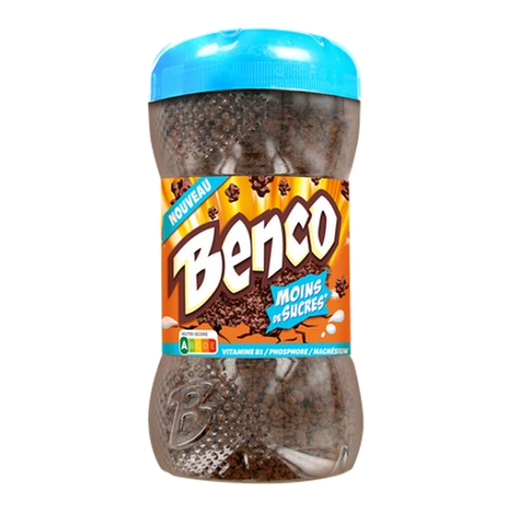 Image unavailable
BENCO Less Sugar chocolate drink granules, 400 g
Worth considering if you’re looking for chocolate drink powder in granule form. Before choosing it on this basis, check the sugars content and what the “Less Sugar” claim is compared with on the exact product.
View on Joybuy
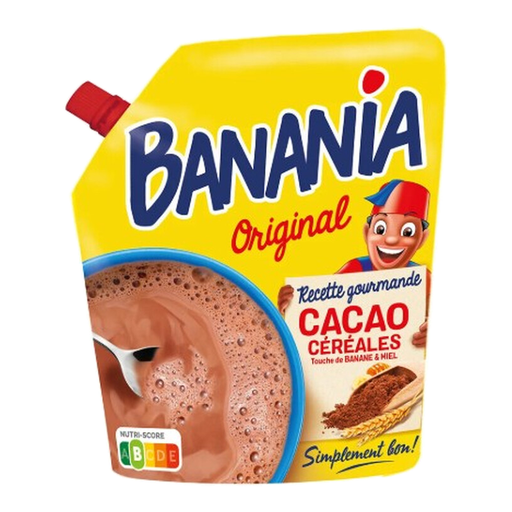 Image unavailable
Bananina Original chocolate drink powder, 400 g
A powdered mix for a chocolate breakfast drink. Check the sugars and cereals on the Bananina Original label, and don’t confuse it with a Banania product.
View on Joybuy
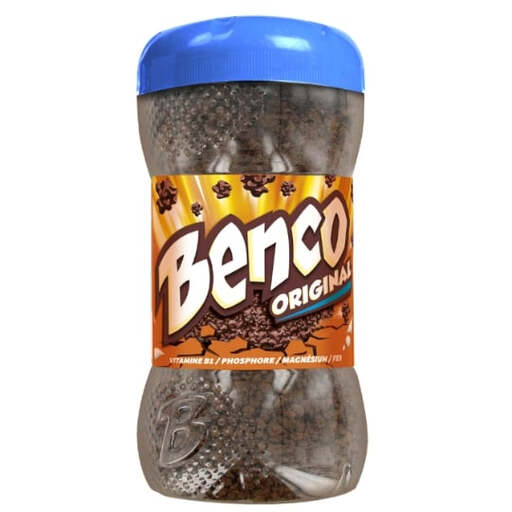 Image unavailable
BENCO Original chocolate drink granules, 800 g
The 800 g pack may suit households that make chocolate drinks regularly. Compare the sugars content based on the serving size you use before comparing it with BENCO Less Sugar.
View on Joybuy
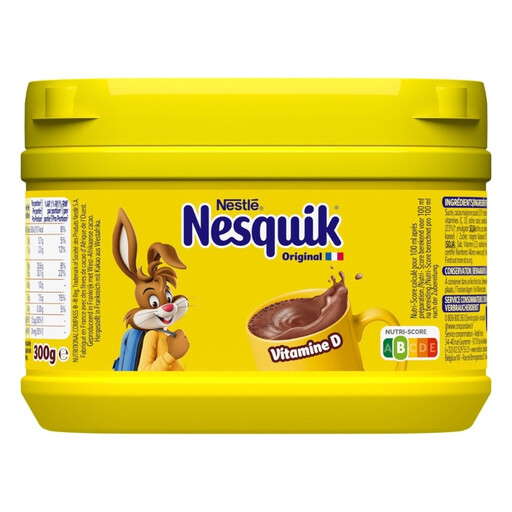 Image unavailable
Nesquik Original chocolate drink powder, 300 g
Worth comparing if you’re looking for a classic chocolate drink powder in a 300 g pack. Check the serving size and ingredients in Nesquik Original: the details of the Less Sugar version don’t apply to this product.
View on Joybuy
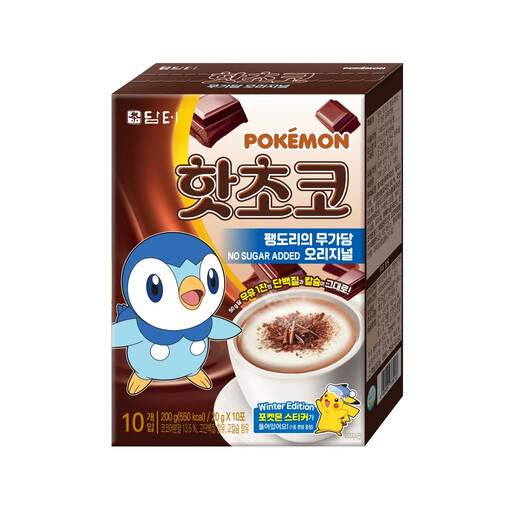 Image unavailable
DAMTUH Pokémon hot chocolate, 10 sachets of 20 g
The sachets are handy for making individual servings. Don’t take the “sugar free” wording in the name as a guarantee about the recipe: check the sugars declaration against the ingredients list on the packaging before buying.
View on Joybuy
Frequently asked questions
Is Nutri-Score compulsory on chocolate drink powder?
No. Santé publique France explains that Nutri-Score is voluntary and supplements the mandatory nutrition declaration. You can compare nutritional information and ingredients even when there’s no logo on the box.
Does unsweetened pure cocoa make a sugar-free drink?
Not necessarily: the drink’s ingredients also depend on the milk and anything else you add. Distinguish between the powder’s nutritional values per 100 g and those of the cup you prepare.
Which ingredients should I check if I need to avoid certain allergens?
Read the ingredients list and any “may contain” warnings for each product rather than relying on the brand name alone. Banania lists wheat and barley in Original; the ingredients list for the Nesquik Less Sugar product shown by Carrefour includes soya lecithin.


