Parents keeping an eye on sugar
You want something convenient to prepare while comparing lower-sugar options, nutritional values per 100 g and the amount of powder used in each cup.


When shopping for a household with a newborn, choose a classic chocolate powder if convenience is your priority, a ‘less sugar’ formula if you want to compare the sugar content of a prepared drink, or unsweetened cocoa if you prefer to control what you add. Check the ingredients list, allergens and nutritional values per 100 g, as well as the amount of powder and liquid used: they all affect the drink you serve. Read the comparison behind any ‘less sugar’ claim, and remember that Nutri-Score is optional.
You want something convenient to prepare while comparing lower-sugar options, nutritional values per 100 g and the amount of powder used in each cup.
You’re after a quick-to-prepare powder for breakfast or a snack. However, sugar may be one of the first ingredients in a classic recipe, so check the label of the product you choose.
You’d rather add any sugar yourself to your cocoa, or need to check the ingredients and allergen information carefully before buying.
The key difference is how much of the preparation you want to do: chocolate powder gives you a ready-made recipe to mix, while unsweetened cocoa lets you choose what to add. Either way, compare drinks prepared with the ingredients and quantities you actually plan to use.
Consider this: if you want to keep using a mix-in powder while looking at a formula marketed as lower in sugar.
Bear in mind: the brand’s claim compares the product with a specific product and serving; it doesn’t mean it contains no sugar.
Consider this: if a ready-made recipe suits your priority of keeping preparation simple.
Bear in mind: recipes vary. In the classic Nesquik and Banania Original products reviewed, sugar is the first ingredient listed.
Consider this: if you want to decide separately how much cocoa to use and what to add.
Bear in mind: you’ll need to make up the drink yourself. Its taste and nutritional values depend on the recipe you prepare.
| Criteria | What to check | Who is it for? |
|---|---|---|
| Sugar | Compare sugar per 100 g across similar products, then check how much powder you use per cup. Read what a ‘less sugar’ claim is being compared with. | I want to reduce the sugar in my usual drink without giving up a quick preparation method; around 42% of consumers would put this need first. |
| Preparation | Check the preparation instructions, pack size and the first ingredients in the recipe. | When breakfast time is short, I’d choose a ready-made recipe that my household will find easy to use; around 33% of consumers would put this criterion first. |
| Ingredients | Read the ingredients and allergen information for the exact product. With unsweetened cocoa, remember that you’ll need to measure out any additions yourself. | I want to choose what goes into my cup or carefully check the ingredients used by my household; around 25% of consumers would put this need first. |
According to Santé publique France, displaying the Nutri-Score is voluntary. The DGCCRF distinguishes this label from the information required on prepacked foods, including the ingredients list and nutrition declaration.
If a Nutri-Score appears on the packaging, use it to compare similar products. In all cases, check the ingredients, sugar content and serving as prepared.
The comparison shown for Nesquik Moins de Sucres is based on the sugar per mug compared with the average in cocoa drinks for children. It doesn’t, by itself, describe the sugar content of every recipe or of a cup prepared differently.
Check which product it is compared with, the nutritional values, and the amount of powder and liquid used.
According to its ingredients list, Banania Original contains wheat and barley, among other ingredients. The classic Nesquik product shown by Carrefour contains soya lecithin.
If there are ingredients your household needs to avoid, read the label for the exact variant, including any ‘may contain’ warnings.
Unsweetened cocoa lets you choose what to add, but it isn’t the same recipe as a sweetened chocolate powder.
Choose this option if you want to control the cocoa, liquid and any sugar you add. Otherwise, compare chocolate powders based on the drink as prepared.
A classic chocolate powder and a ‘Moins de Sucres’ version to compare product by product.
A chocolate powder whose Original recipe combines cocoa, cereals, banana and honey.
A Classic' chocolate powder available in a 400 g tin on the Carrefour website.
Unsweetened cocoa powder for making your own chocolate drink.
These products are chocolate drink powders sold in sachets, granules or tins. To choose between them, start with what matters most to you — preparation, sugar or ingredients — then check the nutritional values and label for the variant you’re considering.
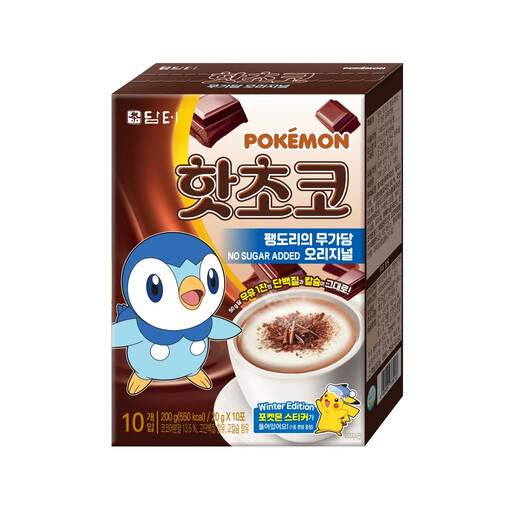 Image unavailable
The individual sachets may suit you if you want to make one cup at a time. The original product name includes a ‘sugar-free’ claim. Before choosing it, check the nutritional values, ingredients and allergen information for this product.
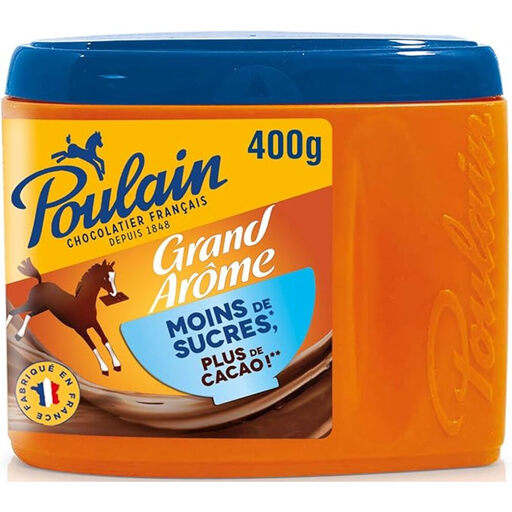 Image unavailable
This 400 g tin is worth considering if you’re looking for a chocolate powder to mix and want to compare different recipes. Check the sugar per 100 g, serving as prepared and allergen information on the label. Don’t confuse it with the 450 g variant.
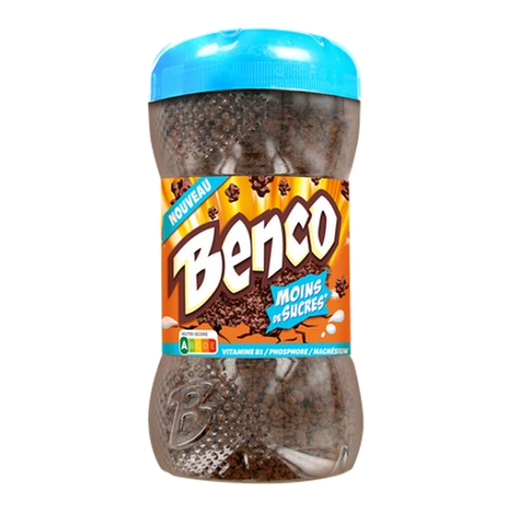 Image unavailable
This 400 g pack of granules can be included in a comparison of mix-in powders. The ‘Less Sugar’ claim doesn’t tell you how much sugar is in each cup: check the nutritional values and how much you plan to use.
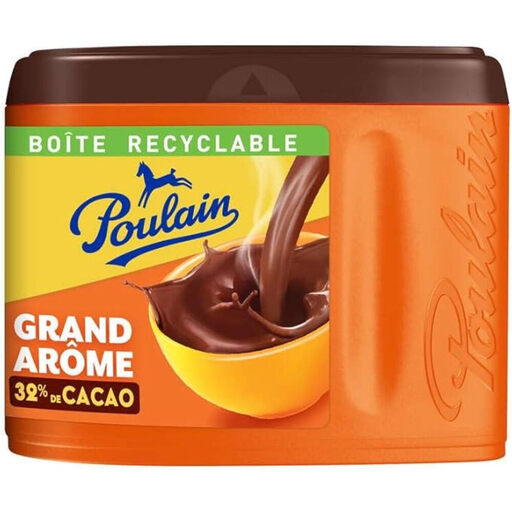 Image unavailable
This 450 g variant may suit you if you’re looking for a ready-made chocolate powder. Compare its ingredients list and sugar per 100 g with those of the 400 g POULAIN tin: the shared product name doesn’t guarantee that the recipes are identical.
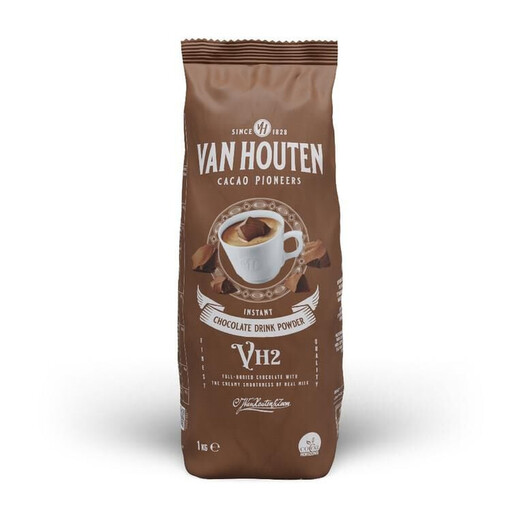 Image unavailable
The 1 kg pack may suit a household planning to use it regularly and with room to store it. Check what the ‘34%’ refers to in the ingredients, as well as the sugar and allergen information for this variant.
No. According to Santé publique France, Nutri-Score can be displayed voluntarily. For prepacked food, the DGCCRF sets out labelling requirements, including an ingredients list and nutrition declaration. Check these even if a Nutri-Score is shown.
Don’t assume that a dry powder is covered just because of the name of the tax. The scale cited here from the Official Bulletin of Public Finances relates to levies on non-alcoholic drinks. When choosing a powder, check its listed ingredients and sugar content directly.
Compare the sugar per 100 g across similar products, then check how much powder and liquid are used for each cup. ‘Less sugar’ refers to a specific comparison for that product; with unsweetened cocoa, any additions depend on your recipe.
Read the highlighted allergens and any ‘may contain’ warnings on the exact product packaging. The Banania Original recipe published by the brand contains wheat and barley and warns that it may contain traces of milk and soya. The classic Nesquik product shown by Carrefour contains soya lecithin.