Parents looking to make preparation easier
If your mornings are often interrupted, consider the format and portion size. If you’re choosing capsules, first check that they’re compatible with your machine.


With powder, you can adjust how much you make; capsules are a good choice if you already own a compatible machine and prefer a set portion. To compare recipes, check the sugar content on the same basis, then look at the ingredients, allergens and what the drink contains when made with your chosen liquid.
If your mornings are often interrupted, consider the format and portion size. If you’re choosing capsules, first check that they’re compatible with your machine.
Sugar values per 100 g of powder make it easier to compare recipes. The amount you use and the liquid you add also affect what’s in your prepared drink.
Depending on the product, the recipe or precautionary warnings may mention milk, soya or cereals containing gluten. Always check the label of the product you buy.
When choosing hot chocolate for the stop-start days that come with a newborn, first decide whether you’d rather measure out powder or use capsules with a compatible machine. Then compare recipes and portions on the same basis.
| Criteria | What to check | Consumers concerned |
|---|---|---|
| Preparation | Format, portion and preparation method; for capsules, check machine compatibility. | When my morning is interrupted, I want to make a drink without measuring several ingredients. Around 25% of consumers say this simplicity is their top priority. |
| Sugar and portion | Sugar per 100 g of product, the amount used and what’s in the prepared drink. | If I’m comparing sugar content, the figure for the powder alone doesn’t tell me everything about my drink. For around 31% of consumers, this comparison comes before other criteria. |
| Allergens | Ingredients and ‘contains’ or ‘may contain’ statements on the packaging you buy. | If I need to avoid a particular ingredient, a different recipe may change my choice. This check is the top priority for around 25% of consumers. |
| Taste and recipe | Cocoa percentage and whether the recipe includes cereals or flavourings, depending on the product. | I may prefer a recipe focused on cocoa or look for other ingredients in my drink. Around 19% of consumers prioritise this type of recipe profile. |
The chocolate drink powders reviewed combine cocoa with other ingredients, including sugar and, depending on the recipe, cereals or flavourings. You can’t work out what’s in them from the words ‘hot chocolate’ alone.
Check the product name, ingredients and preparation instructions for the product you choose.
Serving sizes vary depending on how you prepare the drink: Banania recommends 15 g of Original powder with 200 ml of semi-skimmed milk, while its capsules make a 120 ml drink.
Also check the amount used and what’s in the drink when made with your chosen liquid.
Chocolat Poulain lists 32% cocoa and 67 g of sugar per 100 g for its standard Grand Arôme. A separate Joybuy product listing for Cacao Grand Arôme 400 g shows 47% cocoa and 52 g of sugar per 100 g.
Compare the full product name and size, and check the nutritional information on the product you buy.
Santé publique France says displaying the Nutri-Score is voluntary. Its absence doesn’t, on its own, tell you what’s in the powder.
Check the ingredients, allergens and nutritional information, whether or not the logo is shown.
The Grand Arôme products show why it’s worth comparing specific recipes rather than looking at the brand name alone.
The range includes Original powder to measure out and chocolate capsules compatible with Dolce Gusto machines.
The 800 g Chocolat en Poudre Intense is worth checking for its own ingredients and nutritional values.
According to the Joybuy product listing, Original 300 g can be made up as a hot or cold drink.
This selection includes sachets, powder to measure out and capsules compatible with Dolce Gusto machines. Start by choosing the format that suits your routine, then compare the recipe of each product.
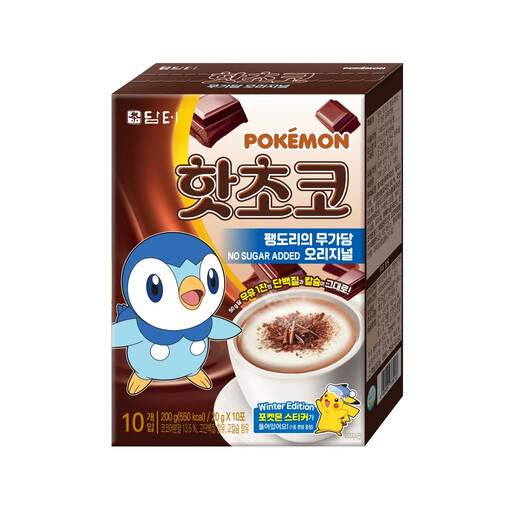 Image unavailable
Individual sachets let you choose a portion without measuring powder from a tin. Check the ingredients and allergens on the packaging before choosing this recipe.
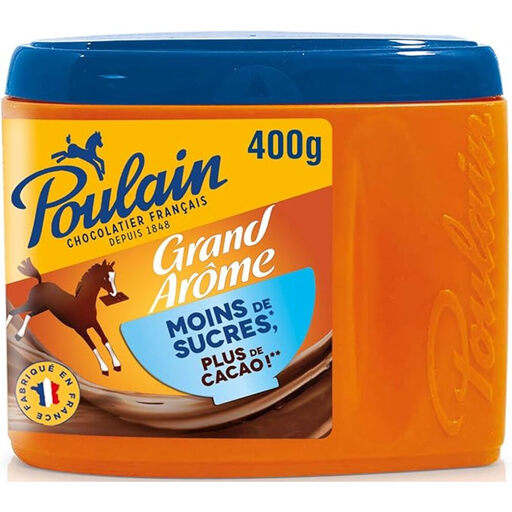 Image unavailable
This powder lets you compare a specific recipe before deciding how much to make. The Joybuy listing for this product states that it contains 47% cocoa and 52 g of sugar per 100 g. Check the preparation instructions and allergens on the packaging.
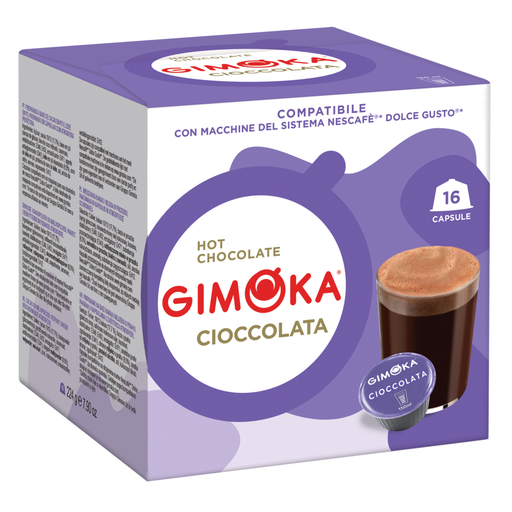 Image unavailable
Capsules are a good choice if you own a compatible Dolce Gusto machine and prefer a set portion. Check the ingredients, allergens and the drink volume specified for one capsule.
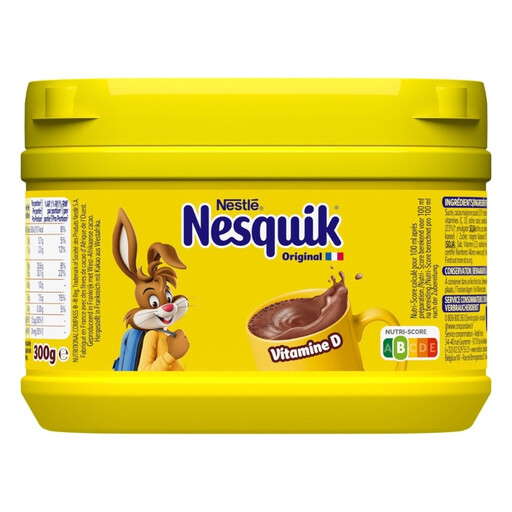 Image unavailable
Consider this powder if you prefer to make your drink without a dedicated machine. The Joybuy listing states that it contains 23% cocoa and mentions soya and possible traces of milk. Check the label if these allergens are a concern for you.
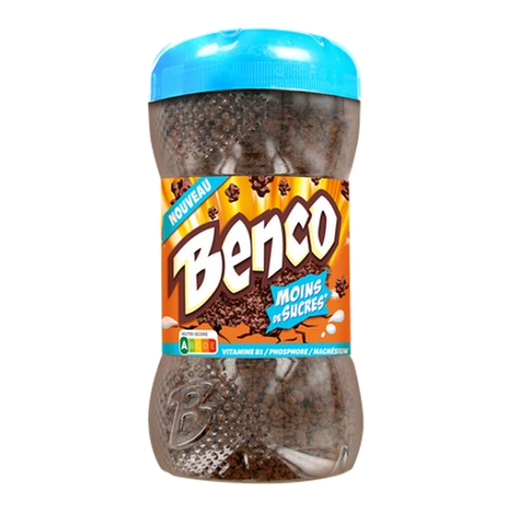 Image unavailable
These granules are another option you can measure out yourself. To compare them with other powders, check the sugar per 100 g, the recommended serving size and the ingredients on the packaging.
No. Santé publique France says displaying it is voluntary. When checking a chocolate drink powder, also look at the ingredients and nutritional information. The absence of the logo isn’t enough to judge the product.
Because the amount of product and the volume of the drink vary from one recipe to another. Banania recommends 15 g of Original powder with 200 ml of semi-skimmed milk, while its capsules make a 120 ml drink. The liquid you use also affects the final contents.
Read the ingredients and any ‘contains’ or ‘may contain’ statements on the packaging you buy. Banania says its Original powder contains cereals with gluten, while the Joybuy listing for Nesquik Original 300 g mentions soya and possible traces of milk.