Hosts serving several drinks
If guests are helping themselves at a shared station, a large tub means you won’t need to open several smaller portions. Check its net weight and work out how much powder you’ll need for each drink.


For drinks prepared at a shared serving station, an 800 g to 1 kg tub lets you measure out several portions from the same container. A multipack of smaller tubs only offers the same convenience if the total weight and packaging suit your needs. Sachets are better for portions to take away or hand out individually. Whatever format you choose, compare the sugars, ingredients and allergens in each recipe before serving it to your guests.
The best packaging depends mainly on whether you’ll be making drinks on the spot or portioning them out in advance.
If guests are helping themselves at a shared station, a large tub means you won’t need to open several smaller portions. Check its net weight and work out how much powder you’ll need for each drink.
If you’re filling lunchboxes or giving everyone their own portion, sachets make it easy to count out what you need before the party. Check the weight of each sachet and how the drink should be prepared.
If any guests need to avoid certain ingredients, check each product individually. The ingredients list and nutritional information also let you compare sugar content, even when no Nutri-Score is shown.
First decide how you’ll hand out the portions, then check the recipe in your chosen format. If you’re buying a multipack of tubs, add up the net weights: the number of tubs alone won’t tell you how much you’re getting.
| What to consider | What to check | Who it matters to |
|---|---|---|
| Amount to share | Net weight of each container, total weight of a multipack and the number of drinks you’re planning. | If I’m serving several guests from one station, I’d rather have a shared supply than open individual portions; around 37% of consumers prioritise having a quantity they can share. |
| Sugars and allergens | Sugars per 100 g of powder, ingredients list and allergens listed for the product you’ve chosen. | If a recipe needs to suit my guests, I want to check its ingredients before serving it; checking sugars or allergens is the main concern for around 36% of consumers. |
| Individual portions | Number of sachets, weight per sachet and total quantity in the pack. | If I’m preparing lunchboxes or giving everyone their own portion, I want to be able to count the sachets in advance. Around 27% of consumers prioritise individual portions. |
In France, Santé publique France and the DGCCRF say that displaying the Nutri-Score is voluntary. If it isn’t shown, you’ll need to check the other information on the packaging instead.
Compare the ingredients list and nutritional information. Use the Nutri-Score as an extra guide when it’s available.
A pack of 12 sachets weighing 13.5 g each contains 162 g of powder. Work out how many portions you need before choosing this format for serving several drinks.
Keep sachets for portions to hand out or take away if a shared tub is better suited to the rest of your serving needs.
The 1 kg Nesquik tub described by Carrefour contains soya lecithin, while the 1 kg Banania pouch described by Auchan contains wheat and barley, among other ingredients. Other recipes may have a different composition.
Check the ingredients and allergens on each pack you buy before serving it to guests who need to avoid certain ingredients.
A comparative claim doesn’t mean the recipe contains no sugars. Check what it’s being compared with and read the product’s nutritional information.
Check the sugars per 100 g and how much powder is recommended per drink before choosing this variant.
These product range examples can help you identify packaging and recipes to look into. A feature of one product doesn’t necessarily apply to the whole brand.
Carrefour lists a standard 1 kg tub and a 350 g variant called ‘Less Sugar’.
Auchan describes a 1 kg pouch containing cocoa and cereals.
Carrefour stocks Classic' and KaoMix chocolate powders in several sizes, including 800 g and 1 kg.
E.Leclerc lists P'tit Deli instant chocolate drink in a 1 kg pack and Tablette d'Or granulated cocoa in an 800 g pack.
This selection includes 800 g to 1 kg containers for shared serving, as well as 20 g sachets for individual portions. When choosing between them, consider how many portions you need, how you’d like to prepare the drinks and the ingredients listed on the packaging.
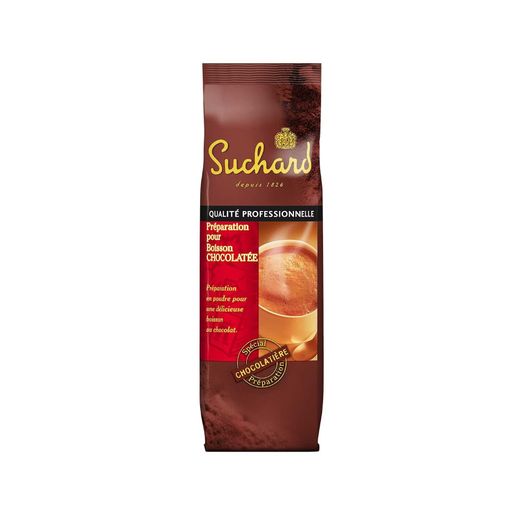 Image unavailable
The 1 kg pouch could be a good choice for making several hot chocolates at the same serving station. ‘20% cocoa’ appears in the product name; also check the sugars and allergens on the packaging for guests who need to avoid certain ingredients.
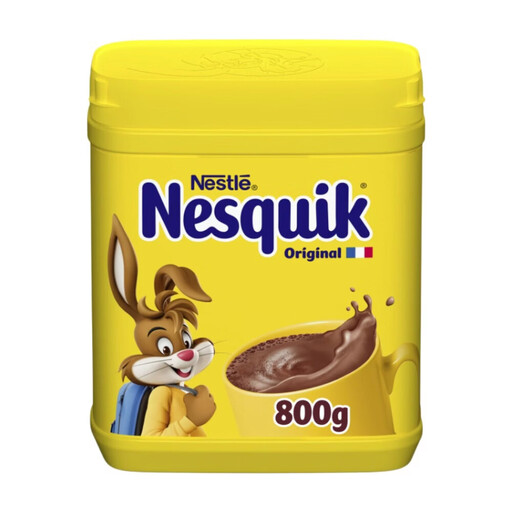 Image unavailable
The 800 g pack works well when you’ll be measuring portions from a shared tub. To compare its recipe with another powder, use figures based on the same amount, such as per 100 g of powder rather than per prepared drink.
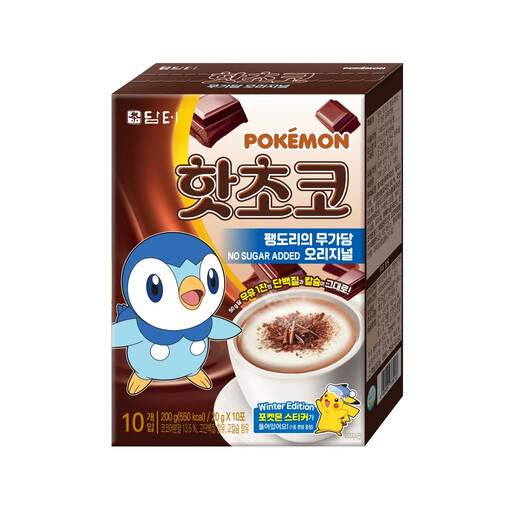 Image unavailable
The ten 20 g sachets give you ten separate portions, with 200 g of powder in total. This pack is ideal for handing out individual servings. Check the ingredients and nutritional information rather than assuming what’s in it based on wording in the product name.
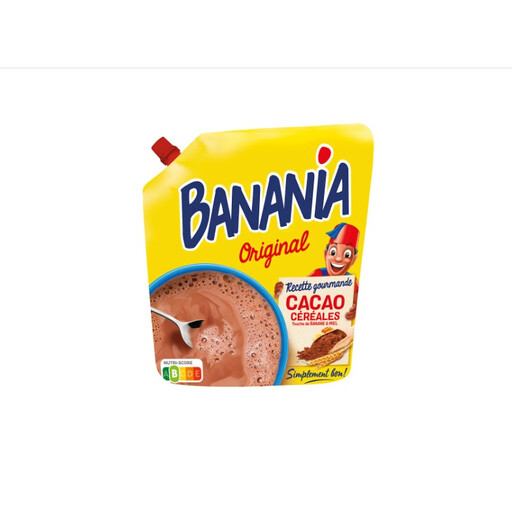 Image unavailable
This 1 kg Bananina product gives you a shared container for making several drinks. Don’t confuse it with the Banania pouch mentioned in the brand examples. Check the ingredients list and allergens for this product before serving it.
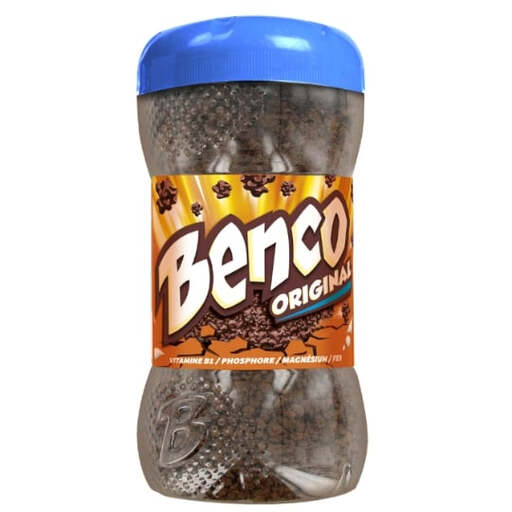 Image unavailable
The 800 g tub is another option for measuring drinks from a shared container. This powder comes in granules, so check the preparation instructions, nutritional information and allergens for the product you buy.
No. Santé publique France and the DGCCRF say that displaying the Nutri-Score is voluntary. When comparing prepacked foods, also check the ingredients list and nutrition declaration.
The legislation published by Légifrance covers drinks and liquid preparations for drinks, subject to the conditions set out for the tax. It doesn’t mean that a tub of dry powder is directly subject to it. When choosing a recipe, check the sugars listed on the label.
Check the allergens listed on each pack, taking your guests’ needs into account. Carrefour lists soya in the 1 kg Nesquik recipe, while Auchan lists wheat and barley in the 1 kg Banania pouch. These details shouldn’t be assumed to apply to other products.
Compare the total net weights, then work out how many portions you plan to make. The 12 sachets weighing 13.5 g each described by Carrefour contain 162 g in total, while a 1 kg tub gives you more powder to measure out from a single container.
Follow the storage instructions for the product you buy and reseal the container after use. For the Banania pouch described by Auchan, the instructions say to store it in a dry place at room temperature, both before and after opening.