Families who often serve hot chocolate
If you make several mugs a week, a pack of 800 g to 1 kg could mean fewer trips to restock. Check that the amount suits how quickly your household gets through it.


A size of 800 g to 1 kg is best suited to households that regularly make hot chocolate for children. If you only serve it occasionally, start by checking how much you actually need. Then compare the sugars per 100 g, the amount per mug and the ingredients in each product, and remember to check for allergens in both the powder and the liquid you add.
If you make several mugs a week, a pack of 800 g to 1 kg could mean fewer trips to restock. Check that the amount suits how quickly your household gets through it.
The ‘of which sugars’ figure per 100 g, the stated cocoa content and the recommended amount per mug help you compare specific recipes, rather than relying on the brand name alone.
Check the ingredients and allergen information for the product you choose, then separately check the milk or plant-based drink you use to prepare the mug.
When choosing hot chocolate for children, first work out how much your household will use, then compare the recipes and how they are prepared. If allergies or dietary exclusions are a concern, check the exact ingredients before choosing a product.
| What to consider | What to check | Who this matters to |
|---|---|---|
| Pack size | The net weight, particularly whether it is between 800 g and 1 kg, and the storage instructions. | If I make several mugs each week, I want to avoid having to buy powder too often without choosing a pack that is too large for my needs. Around 25% of consumers prioritise this type of pack size. |
| Sugars and cocoa | The ‘of which sugars’ figure per 100 g, the stated cocoa content and the recommended amount per mug. | When choosing between two recipes, I want to understand what they contain and how much powder to use each time. Around 25% of consumers say this is their priority. |
| Allergens | The ingredients, any ‘may contain’ statements and the ingredients in the liquid you add. | If a child needs to avoid an ingredient, I need to check both the powder and whatever I use to mix it before making their mug. Around 25% of consumers prioritise these checks. |
| Preparation and taste | The type of recipe and the serving and preparation instructions on the pack. | When serving it, I look for a recipe whose ingredients and preparation suit my household’s usual routine. Around 25% of consumers share this priority. |
According to Santé publique France, displaying the Nutri-Score is voluntary. If it is absent, you should still read the nutritional information and ingredients.
If it is shown, consider it alongside the nutritional values per 100 g and the ingredients list for that particular product.
The recipes reviewed do not all contain the same ingredients or carry the same ‘may contain’ statements. The liquid you add may also contain an ingredient that needs to be avoided.
If you are managing an allergy or dietary exclusion, reread the packaging of the product you buy and check the milk or plant-based drink you serve with it too.
A tax rule that applies to certain drinks does not tell you how much sugar is in a chocolate powder.
To compare powders, check the ‘of which sugars’ figure per 100 g, then look at the amount recommended per mug.
The pack sizes and ingredients below apply to the specific products mentioned, not every product from each brand.
The 1 kg chocolate powder product described by Auchan is an example of a larger pack size.
The 800 g Grand Arôme product makes it possible to compare a recipe with a stated cocoa content.
According to Banania, its Original chocolate powder is available in a 1 kg pack, among other sizes, and combines cocoa, cereals, banana and honey.
Carrefour’s range includes several 800 g powders as well as a 1 kg KaoMix product.
Auchan’s range includes several recipes, including 800 g Cao Kido granules.
These powders include four pack sizes from 800 g to 1 kg for regular use, and one 400 g product if you would like to consider a smaller pack. For each product, compare the weight and recipe with the information on the packaging.
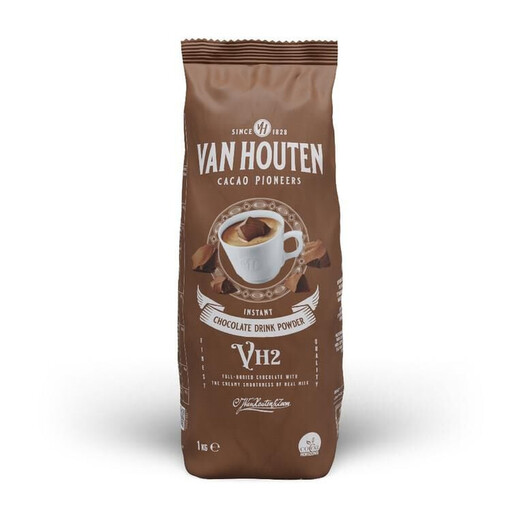 Image unavailable
The 1 kg pack is worth considering if you regularly make hot chocolate. Before serving, check the ingredients, allergens and preparation instructions on the packaging.
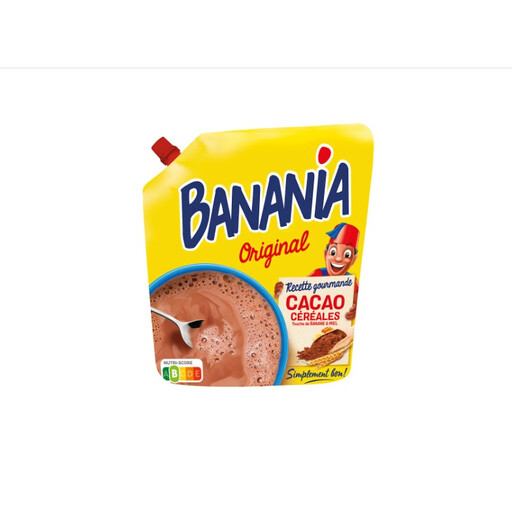 Image unavailable
This 1 kg pack is suited to households that use chocolate powder regularly. Check the ingredients list, allergens and recommended amount on the packaging for this product.
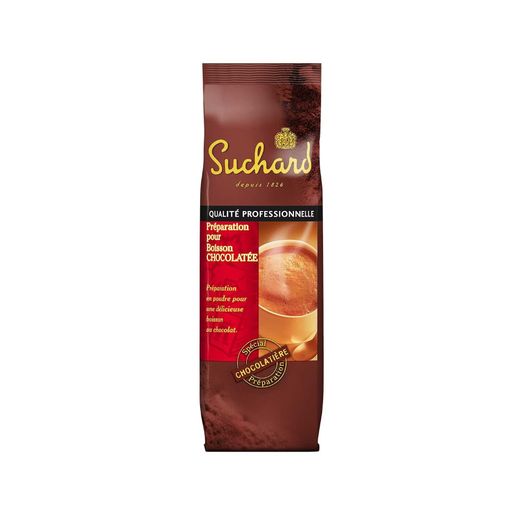 Image unavailable
The 1 kg pack could suit households that make hot chocolate frequently. The product title states that it contains 20% cocoa; also read the ingredients, allergen information and preparation instructions for this product.
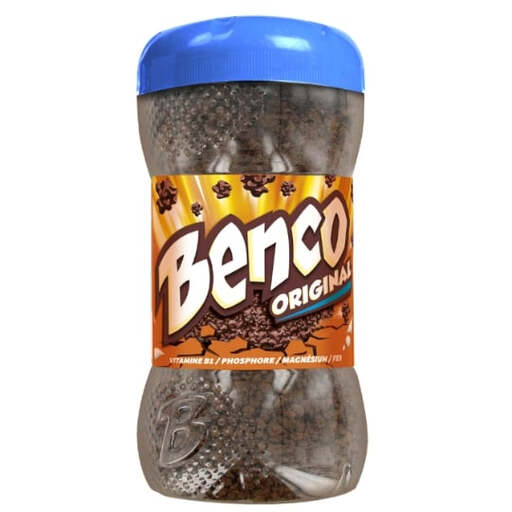 Image unavailable
The 800 g pack is another size to consider for regular use. If the ingredients or allergens are important to your choice, check the details on the exact packaging.
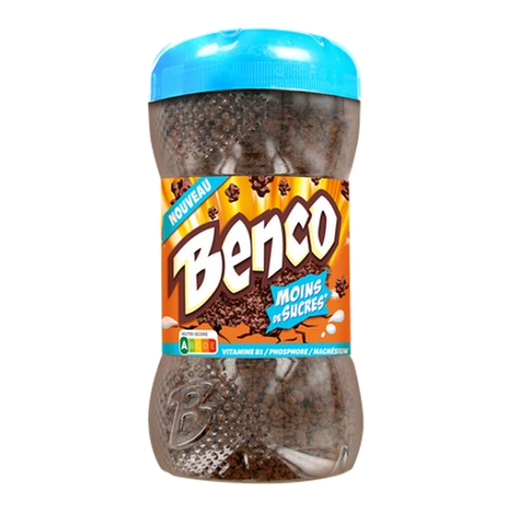 Image unavailable
The 400 g pack is a smaller option than the other products featured here. Don’t assume what it contains from the name Less Sugar: compare the ‘of which sugars’ figure per 100 g and the ingredients on the packaging.
No. Santé publique France explains that displaying it is voluntary, while the DGCCRF states that nutritional information is compulsory for most pre-packed foods. If the logo is not shown, you can still compare the sugars listed per 100 g.
No. Ingredients and ‘may contain’ statements vary between products. The information published by Banania for Original and by Auchan for Poulain Grand Arôme indicates that they may contain milk. Always check the exact packaging and the liquid you add to the mug.