Organisers looking for quick service
You’re serving a group using hot water or a machine and want to avoid having to manage milk. The liquid required and the recommended amount for each product will determine how you organise the service.


For a conference break, choose your hot chocolate based first on how you’ll serve it. A powder that can be mixed with water means you won’t need to manage milk, whereas a recipe made with milk requires you to plan for the milk and how you’ll serve the drink. Then check the amount needed per cup, the sugars in the prepared drink if stated, the allergens and the number of servings you’ll need. The Nutri-Score can also help you compare products if it appears on the one you choose.
You’re serving a group using hot water or a machine and want to avoid having to manage milk. The liquid required and the recommended amount for each product will determine how you organise the service.
You care about the flavour and texture you want for the break, and can organise preparation with milk if the product you choose requires it.
You need to compare sugars, ingredients and allergens before serving a varied group. The nutrition declaration and the label for the exact product are the best places to start.
First decide whether you’ll serve hot chocolate made with hot water or milk, then work out how much to buy based on the recommended amount for your chosen recipe. The pack size alone won’t tell you how many cups you can make.
Worth considering: when hot water is available at the venue and you want to serve drinks without buying or storing milk separately.
Bear in mind: even a drink made with water may contain dairy ingredients, so check the allergens for the product you choose.
Worth considering: if you’d like to serve a milk-based recipe and can organise its preparation for the group.
Bear in mind: you’ll need to arrange the milk supply, storage and serving of the drink.
| Criteria | What to check | Who it matters to |
|---|---|---|
| Ease of serving | Liquid required, amount per cup and compatibility with the equipment available. | When several people are waiting for a drink, I want a preparation method that suits the hot water point or machine on site; around 31% of consumers would put ease of serving first. |
| Flavour and texture | Recipe, liquid used to prepare it and recommended amount for the exact product. | For a reception break, I can spend a little longer on a recipe with a flavour profile that suits my guests; around 25% of consumers would prioritise their choice of recipe. |
| Sugars and allergens | Sugars on a comparable basis, ingredients and allergens shown on the label. | If participants have dietary restrictions, I need to check the ingredients before serving; around 25% of consumers would make this their top criterion. |
| How much to buy | Number of cups calculated using the stated amount and the pack size available. | To avoid running short or buying an unsuitable quantity, I start with the number of servings planned; around 19% of consumers would prioritise getting the quantity right. |
A 3-litre bottle cannot be compared directly with a sachet of powder. For a ready-to-serve drink, first check the exact product, its storage conditions and how many portions it will actually serve.
If the logo isn’t shown, you should still check the sugars, ingredients and allergens. The DGCCRF distinguishes the Nutri-Score, which is displayed voluntarily, from the nutrition declaration, which is generally compulsory for pre-packed foods.
Compare the nutrition information and ingredients list for the exact product. Use the Nutri-Score only when it is displayed.
Two powders with the same weight may need different amounts and may be prepared with different liquids.
Calculate how much you need using the stated amount, cup size and number of servings planned.
A milk-based recipe also means planning for the milk purchase, storage and availability during service.
Depending on the product, ingredients may include milk, soya or cereals containing gluten. A recipe with cereals, banana and honey will also have a different flavour profile from a simpler cocoa-based recipe.
Check the label of the product you’ll be serving and have a suitable alternative drink available if participants’ dietary restrictions require it.
These products illustrate recipes and pack sizes to compare for a conference break; their inclusion here doesn’t mean they’re all available on Joybuy.
Chocolate-flavoured powder available in several sizes, including larger packs at Carrefour.
Super Poulain powder is available in a 1 kg pack and can be made with hot or cold milk.
A 1 kg chocolate-flavoured powder made with ingredients including cocoa, cereals, banana and honey.
The retailer offers Carrefour Classic' KaoMix in a 1 kg pack, alongside other chocolate powders.
The retailer stocks products including P'TIT DELI, an instant chocolate-flavoured drink mix available in a 1 kg pack.
The retailer offers products including Cao Kido powder in a 1 kg pack.
These products offer options for serving drinks made with hot water, recipes prepared with milk or capsules for a compatible machine. Choose the pack size based on the number of drinks you’ll serve and check the ingredients for each product.
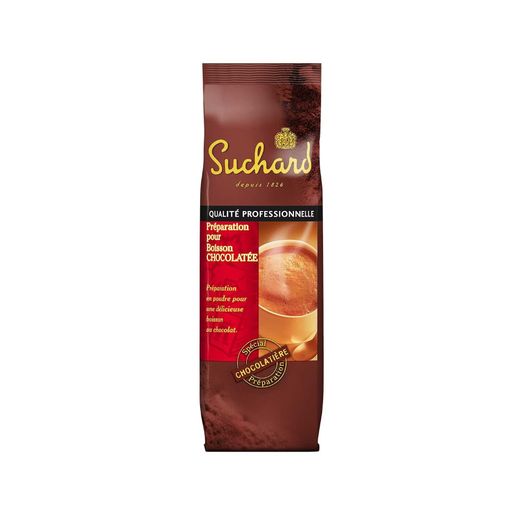 Image unavailable
Worth considering for drinks made with hot water. Check how much powder you’ll need for your cups and read the allergen information on the label, especially if any participants need to avoid milk.
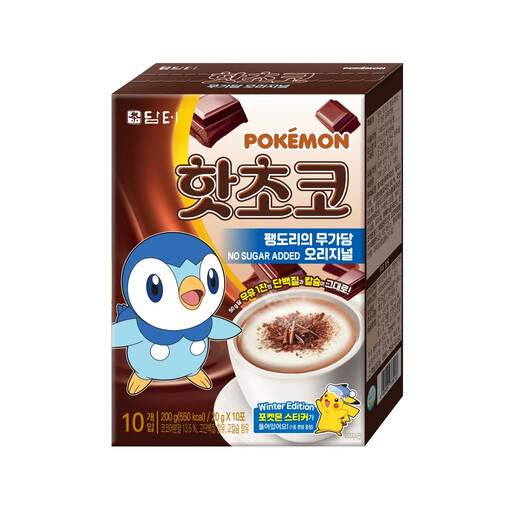 Image unavailable
Individual sachets are handy for single servings made with water or hot milk. Work out how many sachets you’ll need before ordering. The product listing states that it contains milk and soya, so check the label and the nutrition information for your chosen preparation method.
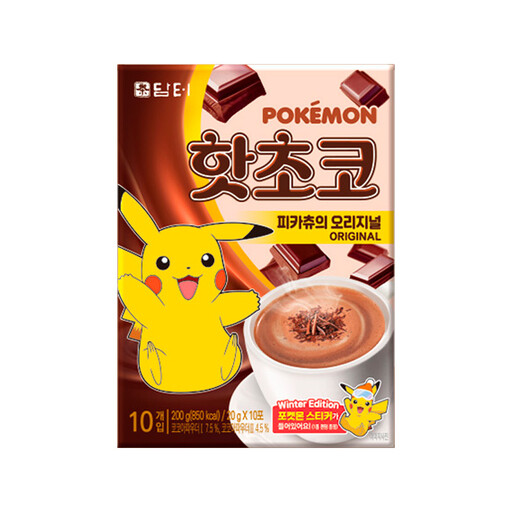 Image unavailable
The individual sachets could be a good fit for occasional servings made with hot water. Check how much water to use per sachet before choosing your cup size; the product listing states that it contains milk.
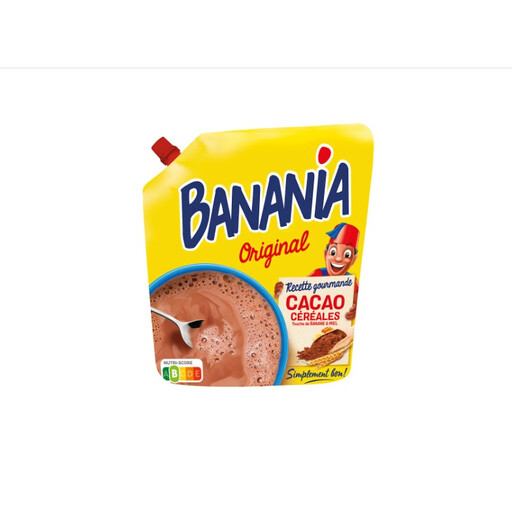 Image unavailable
Consider this product if you can make a drink with hot milk and would like to serve its recipe with cereals, banana and honey. Check the recommended amount to estimate the number of servings, and check the stated allergens, including cereals containing gluten.
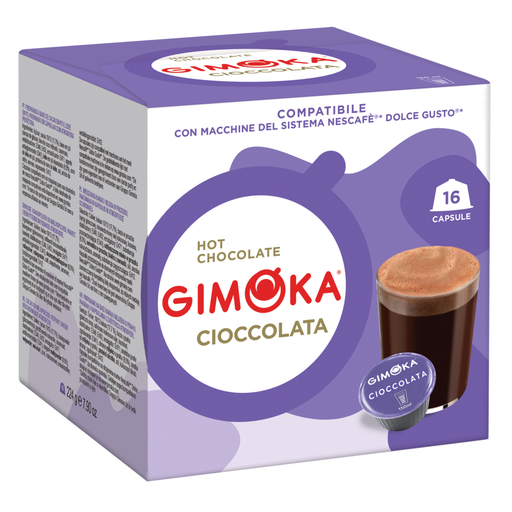 Image unavailable
This box is a good option for individual servings if a compatible Dolce Gusto machine is available on site. Check the volume of drink made by each capsule before choosing your cup size; the product listing states that it contains milk.
No. As the DGCCRF explains, the Nutri-Score is voluntary. A nutrition declaration, however, is generally compulsory for pre-packed foods. Check the sugars and other nutritional values for the product you choose, whether or not it displays the logo.
No. The fact that a powder contains sugar does not by itself mean that it falls within the scope of this tax. Article 1613 ter, published by Légifrance in its version dated 1 September 2026, covers certain drinks and packaged liquid preparations, among other things. Check how a specific product is treated based on the form in which it is sold.
Multiply the recommended amount for the product by the number of cups and servings planned, taking into account the volume you’ll actually serve. As product-specific examples, Nestlé Professionnel recommends 20 g of Cacao Mix Milky for 12 cl of water, while Auchan France recommends 15 g of Super Poulain for 200 ml of milk. These recipes won’t make the same number of cups from the same weight of powder.
Check the label for allergens on every product you plan to serve. Depending on the recipe, the product listings mentioned here state that Cacao Mix Milky contains milk; Super Poulain contains soya and may contain milk; and Banania contains cereals, including wheat and barley.