Parents keeping an eye on sugar in the cup
You want a powder that’s easy to prepare, while comparing the sugars in the drink you actually serve. The amount of powder and the type of milk both matter.


To choose a gentle hot chocolate for children, compare the sugars in the prepared drink, then check the ingredients and allergens in the recipe. A ‘less sugar’ powder shouldn’t be judged by its name alone. A classic recipe may suit the flavour you’re looking for, while unsweetened cocoa lets you control the amount of cocoa and any added sugar separately.
You want a powder that’s easy to prepare, while comparing the sugars in the drink you actually serve. The amount of powder and the type of milk both matter.
You want a chocolatey flavour that children will enjoy drinking. Recipes containing cereals or other flavouring ingredients are also worth checking for their composition and allergens.
You’re considering unsweetened cocoa so you can choose the amount of cocoa and milk separately, and decide whether to add sugar. You’ll need to prepare your own recipe rather than follow the instructions for a ready-made powder.
When stocking the cupboard, start by choosing the type of recipe that best suits your needs. Then compare prepared drinks made with the same volume and type of milk.
Consider this if: you want a ready-to-mix recipe while keeping an eye on the sugars in the drink you serve.
Bear in mind: this label doesn’t mean ‘sugar-free’. The serving you prepare and the ingredients still matter.
Consider this if: the recipe’s ingredients and flavour are more important to your household.
Bear in mind: cereals, other ingredients and sugar levels vary by product. A gentle flavour doesn’t tell you how much sugar it contains.
Consider this if: you’d rather make the drink yourself and decide whether to add sugar.
Bear in mind: you’ll need to find the amount and flavour that work for your household.
| Criteria | What to check | Who is it for? |
|---|---|---|
| Sugars in the cup | The ‘of which sugars’ figure for the prepared serving, how much powder you use and the type of milk. | I want to limit the sugars in the drink I serve without making it complicated to prepare. Around 31% of consumers would make this their top priority. |
| Flavour and recipe | The ingredients list and recommended amount before choosing a new recipe. | If your child doesn’t like the flavour, the packet may end up sitting in the cupboard. For around 31% of consumers, finding a gentle recipe would be the top priority. |
| Ingredients and allergens | Cereals, declared allergens and any ‘may contain’ warnings on the label of the packet you buy. | I need to know exactly what’s in the drink before serving it, or I’d rather control the amount of a simple cocoa base. Around 23% of consumers would put this need first. |
| Pack size | The net weight, storage instructions and how quickly your household will use the powder. | If the recipe is new to us, I’d rather avoid a packet that will be left open for a long time. Around 15% of consumers would prioritise a pack size suited to how they use it. |
Auchan gives the sugar content of Nesquik Less Sugar prepared according to its instructions as 13.3 g per 210 ml. So the name alone doesn’t tell you how much sugar is in the drink you serve.
To compare two recipes, look at servings prepared with the same volume and type of milk.
According to the European Commission, front-of-pack nutrition labelling is voluntary. The absence of a Nutri-Score isn’t enough to judge a powder, and a score on its own doesn’t tell you what’s in the drink you’ll prepare.
If there’s a score on the packet, read it alongside the nutrition information, serving size, ingredients and allergens.
Banania lists wheat in Original; the Nesquik Less Sugar product featured by Auchan contains oats and soya, among other ingredients. The two recipes don’t meet the same dietary requirements.
If you have dietary requirements to consider, check the label on the exact product every time you buy it, including any warnings about possible traces.
Banania sells Original in several pack sizes, including 250 g, 400 g and 1 kg. The right size to keep in your cupboard depends on how often your household will use the recipe.
For a first try, choose an amount you’ll be able to use, then consider a larger pack if the recipe goes down well.
These product ranges can help you compare recipes. Check the nutritional information and allergens for each individual product.
The range includes a cocoa powder labelled ‘Less Sugar’.
Grand Arôme is among the chocolate powders in Carrefour’s range.
Original combines cocoa, cereals, banana and honey. Banania describes its flavour as biscuit-like.
Carrefour sells chocolate powders under its own brands, alongside other types of cocoa powder.
The product featured by E.Leclerc is a low-fat cocoa powder whose ingredients list contains cocoa only.
These powders let you explore different recipes and pack sizes for your cupboard. Before choosing one for a child, check the packet’s ingredients against your requirements and compare the sugars in the servings you actually plan to make.
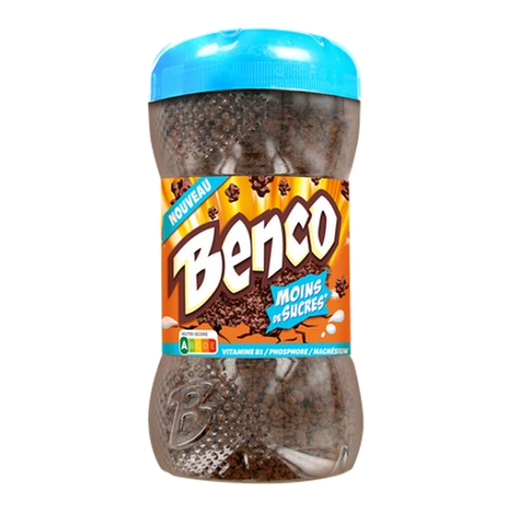 Image unavailable
Worth considering if you’re looking for a granulated powder labelled ‘Less Sugar’. Check the sugars per prepared serving and the ingredients: the label alone doesn’t tell you what’s in the drink you serve.
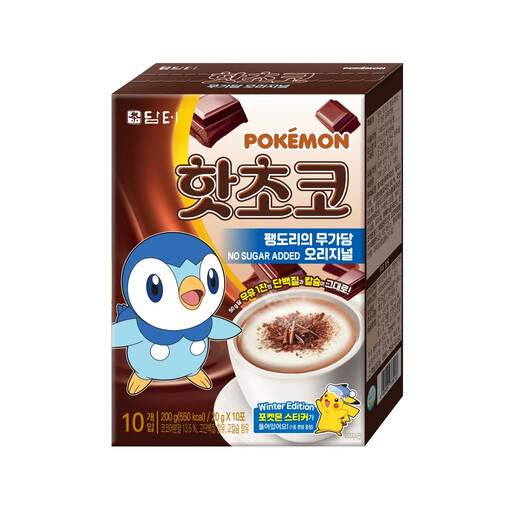 Image unavailable
Individual sachets may suit you if you prefer to make one serving at a time. Check the ingredients and allergens, as well as the sugars in the drink depending on whether you make it with water or milk. The ‘Sugar Free’ name alone doesn’t describe both preparations.
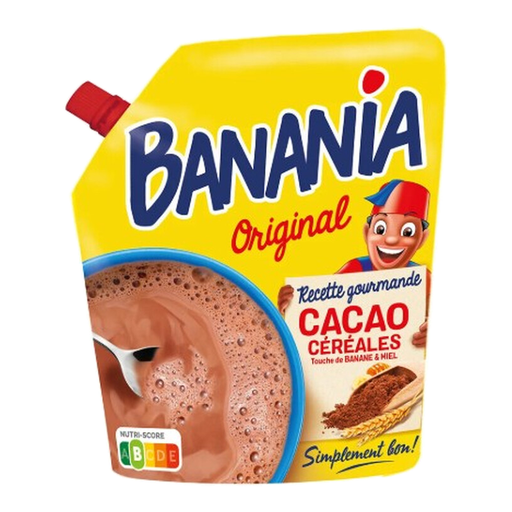 Image unavailable
This size could be a good way to try the recipe before choosing a larger pack. Check the ingredients, allergens and serving size; don’t assume it has the same nutritional information as another brand with a similar name.
 Image unavailable
The 1 kg pack is worth considering if your household already knows this recipe and uses it regularly. Check the label on the pack you buy, then look at the amount of powder and sugars in the prepared drink.
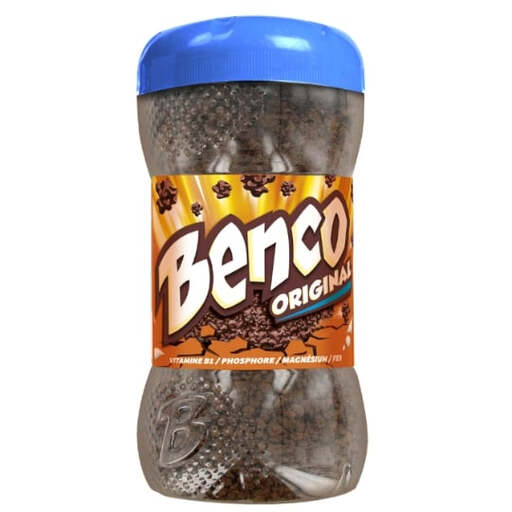 Image unavailable
Consider this if you’re looking for a granulated chocolate powder rather than a recipe labelled ‘Less Sugar’. Before choosing between the two products, check the sugar content for the preparation you have in mind and the allergens listed on the packet.
No, it isn’t generally compulsory. The European Commission says front-of-pack nutrition information is voluntary; in France, Nutri-Score is a recommended additional way to present it. When comparing powders, check the nutrition information and ingredients on the packet too.
Because the amount of powder and the milk you use affect what’s in the drink you serve. Auchan gives the sugar content of Nesquik Less Sugar prepared according to its instructions as 13.3 g per 210 ml. Banania gives 20 g per bowl of Original made with 15 g of powder and 200 ml of semi-skimmed milk. These figures are for two different preparations, so only compare them after matching the volume and type of milk.
Read the ingredients and allergen information on the exact packet you’re buying. Banania lists wheat in Original, while the Nesquik Less Sugar product featured by Auchan contains oats and soya, among other ingredients. Don’t assume the label for one recipe applies to another.