Parents keeping an eye on sugar
You’re looking for a flavour your child will enjoy while comparing the sugar in the powder and how much you use per cup, rather than relying on the word ‘mild’ alone.


For a quick lunch break, choose a ‘less sugar’ mix if you want a ready-to-use powder, or unsweetened cocoa if you’d rather control how you make your drink. A cereal-based recipe may suit you if you prefer a biscuit-like flavour, but ‘mild’ tells you nothing about sugar or allergens. Compare the recipe and serving size of the exact product you’re considering.
You’re looking for a flavour your child will enjoy while comparing the sugar in the powder and how much you use per cup, rather than relying on the word ‘mild’ alone.
You want to choose between a quick-to-make mix and a recipe where you can adjust the cocoa and sweetness yourself.
Before choosing a cereal-based powder or another chocolate drink mix, you need to check the ingredients and any ‘may contain’ warnings.
When choosing a drink that a child will also enjoy, start with the flavour you’re looking for and how much time you have to prepare it, then compare sugar content on a like-for-like basis. If there’s an ingredient you need to avoid, first check the exact product and pack size you’re buying.
| What to consider | What to check | Who is it for? |
|---|---|---|
| Sugar | Sugar per 100 g of powder and the amount used per cup; for a ‘less sugar’ claim, check the stated comparison product. | If I want to cut down on sugar without giving up a ready-to-use mix, the ingredients matter more than the product range name. Around 33% of consumers would put reducing sugar high on their list. |
| Mild flavour | The exact recipe, including whether it contains cereal, banana or honey; cocoa content alone doesn’t tell you what it will taste like. | If a child prefers familiar flavours, I’d check the flavouring ingredients before choosing. Around 27% of consumers would put flavour first. |
| Preparing a drink at lunchtime | The amount of powder specified per cup and the liquid used to make it; distinguish a ready-to-use mix from cocoa that you prepare yourself. | At lunchtime, I might prioritise speed or want to adjust the cocoa and sweetness myself. Around 27% of consumers would prioritise having this control over preparation. |
| Ingredients to avoid | Allergens in the ingredients list and any ‘may contain’ warnings on the pack size you’ve chosen. | If someone in my household needs to avoid an ingredient, checking for it comes before choosing a flavour. Around 13% of consumers would put suitability first. |
‘Mild’ describes the flavour you’re looking for, not the sugar content. The Auchan product page for Banania Original chocolate powder lists 69 g of sugar per 100 g of powder.
Compare the sugar content and the amount of powder recommended per cup for the exact product you’re considering.
Article 1613 ter of the French General Tax Code, published by Légifrance, covers drinks and liquid preparations for drinks. This description doesn’t mean the tax can be used as a general basis for comparing dry powders that need to be mixed.
When comparing these powders, focus instead on their nutrition information and the drink you make.
Santé publique France states that producers display Nutri-Score voluntarily. So its absence doesn’t, by itself, mean that a powder is non-compliant.
If it is displayed, use it to compare similar products, alongside the ingredients list and nutrition information.
Banania Original 1 kg contains cereals with gluten, while the Carrefour product page for Poulain Grand Arôme Less Sugar states that it may contain milk and soya. These details apply to specific products, not every powder from either brand.
Check the ingredients and allergen information on the pack you’re actually buying.
The Less Sugar version is aimed at households that want to stick with a ready-to-make chocolate powder while keeping an eye on sugar content.
Grand Arôme Less Sugar is worth considering if you’re looking for a more cocoa-forward recipe and are happy for the flavour not necessarily to suit a preference for a mild taste.
Banania Original chocolate powder combines cocoa with cereal and flavouring ingredients. It’s worth considering if you’re looking for this kind of flavour profile.
A classic chocolate powder that’s best compared with the exact product you’re considering, rather than with every supermarket own-brand product.
Unsweetened Pure Cocoa offers another way to make your drink: you choose the liquid, how much cocoa to use and whether to add any sweetener.
This individually sacheted mix is designed to be made during a lunch break. If you’re choosing it for a child’s preference for a mild flavour or because of the sugar content, check the information on the pack before buying.
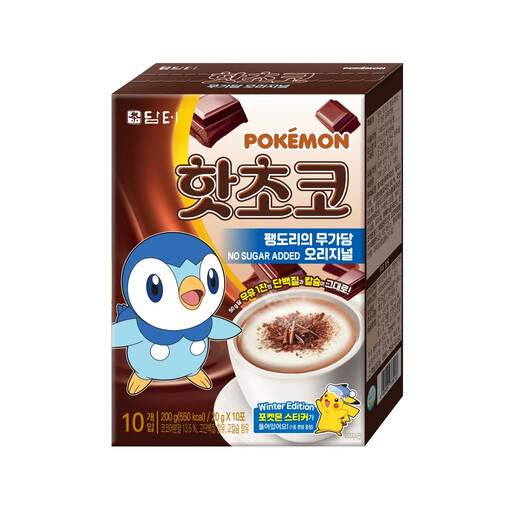 Image unavailable
The individual sachets are handy if you want to make one serving during your lunch break. Before choosing this recipe for a child, check its flavour profile, ingredients and the nutrition information on the pack, particularly if sugar, milk or soya are important considerations for your household.
First compare the sugar per 100 g of powder, then check how much powder and liquid are recommended for one cup. Comparing sugar per mug only makes sense if you know the serving size and preparation method for each product.
No. Santé publique France states that Nutri-Score is displayed voluntarily. Nutrition declarations are subject to separate rules in certain cases. When choosing a product, read the nutrition information and ingredients list, whether or not Nutri-Score is shown.
A dry powder that needs to be mixed doesn’t, based on that description alone, correspond to the drinks and liquid preparations covered by Article 1613 ter of the French General Tax Code published by Légifrance. Check the exact product format rather than assuming the tax applies to every hot chocolate mix.
No, not the Original 1 kg version described on the Auchan and Joybuy product pages: it contains cereals with gluten. However, check the label on the pack you buy, as ingredients should be assessed product by product.
No. It lets you decide whether to add sugar and how much, but it doesn’t guarantee a mild flavour. With a cocoa such as EQUADOR Unsweetened Pure Cocoa, you’ll need to make the drink yourself and check that it suits the flavour you’re looking for.