What should you look for before buying?
For hot chocolate for children at Christmas, start with a recipe that suits their tastes, then check the sugar content and allergens for each product. The cocoa percentage or a claim on the front of the pack is no substitute for these checks.
| What to consider |
What to check |
Who is it for? |
| Sweetness and flavour |
Check the ingredients list and the cocoa percentage, if stated; don’t judge the flavour by the recipe name alone. |
If the children prefer a familiar-tasting hot chocolate, I want to avoid a recipe that might take them by surprise. Around 42% of consumers would make this acceptance a priority. |
| Sugars |
Compare the ‘sugars’ figure per 100 g of powder, then check how much powder is used per cup; take into account any milk or other liquid added to make the drink. |
When I’m making several cups over the festive season, I want to know what’s in each one rather than relying on the ‘less sugar’ claim. Around 33% of consumers would prioritise this comparison. |
| Allergens and ingredients |
Read the allergens highlighted on the pack and check any ‘may contain’ statements for the exact product. |
If a child or guest needs to avoid certain ingredients, I check the recipe before thinking about the flavour. Around 25% of consumers would prioritise this suitability. |
Brands to know
These brands offer recipes worth considering for your Christmas shopping. The features mentioned relate to the specific products listed, not every powder in each range.
Nesquik
The range includes a classic recipe and a ‘Moins de Sucres’ option.
- Carrefour’s product information for the classic recipe states that it contains 23% low-fat cocoa and lists sugar first in the ingredients.
- Nesquik’s ‘35% less sugar per mug’ claim for the ‘Moins de Sucres’ option compares it with the average for cocoa drinks for children; it isn’t a direct comparison with every other powder. Check for soy too.
Poulain
Grand Arôme and its variants offer different cocoa-based recipes to consider.
- Carrefour’s product information for Grand Arôme 250 g states that it contains at least 32% cocoa.
- The same listing puts sugar first in the ingredients and carries a ‘may contain milk and soy’ statement. The cocoa percentage won’t tell you whether a child will like the flavour.
Banania
A recipe combining cocoa, cereals, banana and honey, worth considering if those ingredients match the flavours you’re looking for.
- Carrefour’s product information for this recipe states that it contains 19% heavily defatted cocoa.
- The ingredients list includes wheat and barley, so check the exact packaging if these cereals need to be avoided.
Carrefour Classic’
Own-brand powders, including Kaomix, to compare recipe by recipe.
- The Carrefour products reviewed come in different pack sizes, depending on the product.
- Before comparing a Classic’ recipe with another brand, check the ingredients, allergens and nutritional values of each product.
Hot chocolate powders on Joybuy
These powders include individual sachets and packs to keep at home. Their names distinguish classic recipes, options with a sugar-related claim and Poulain powders described as having a stronger cocoa flavour. Choose by checking each product’s ingredients and preparation instructions.
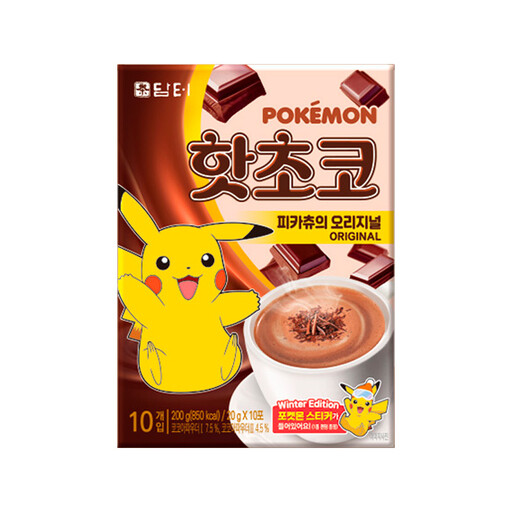 Image unavailable
DAMTUH Pokémon, hot chocolate, 10 sachets of 20 g
Individual sachets may suit you if you want to prepare one cup at a time. Check the ingredients and recommended amount of powder before comparing the sugar content per prepared drink.
View on Joybuy
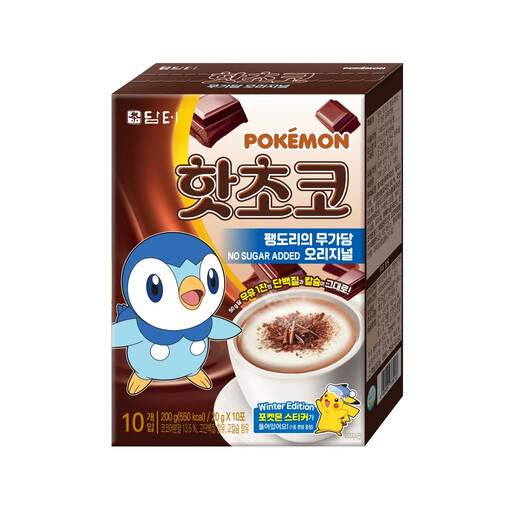 Image unavailable
DAMTUH Pokémon Sugar Free, 10 sachets of 20 g
This sachet option is for households looking to consider a recipe labelled ‘Sugar Free’. Don’t assume you know its ingredients or how the drink will taste based on this claim alone: check the pack’s ingredients, nutritional information and allergens.
View on Joybuy
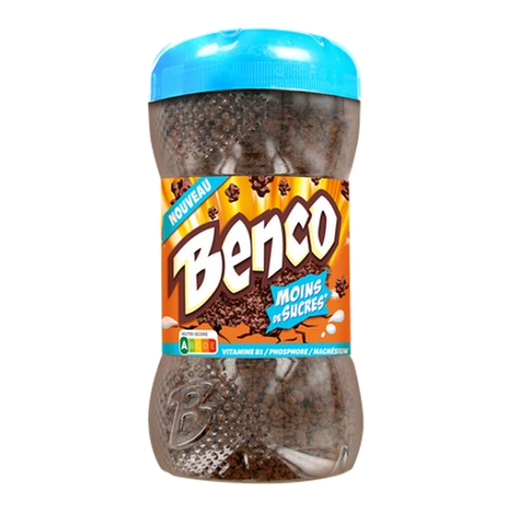 Image unavailable
BENCO Less Sugar, chocolate granules, 400 g
This pack size may be suitable for making several cups. To understand ‘Less Sugar’, check the sugar content per 100 g and what product or range it’s being compared with. If you need to avoid any allergens, read the exact product packaging.
View on Joybuy
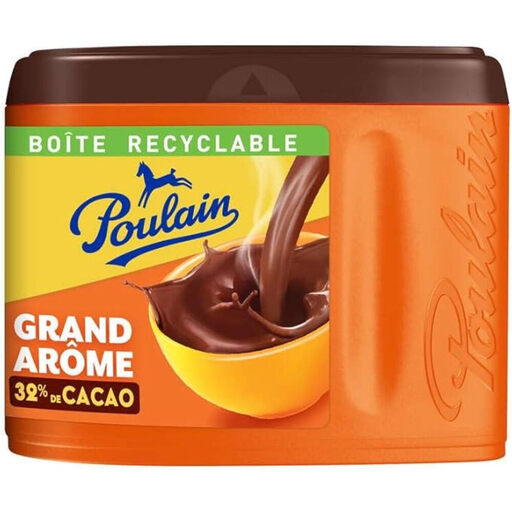 Image unavailable
POULAIN Cocoa with Rich Flavor, 450 g
This pack may suit households considering a recipe described as more cocoa-forward rather than necessarily very mild. Compare the sugar content on the packaging for this option and check its allergens before serving it to children who need to avoid them.
View on Joybuy
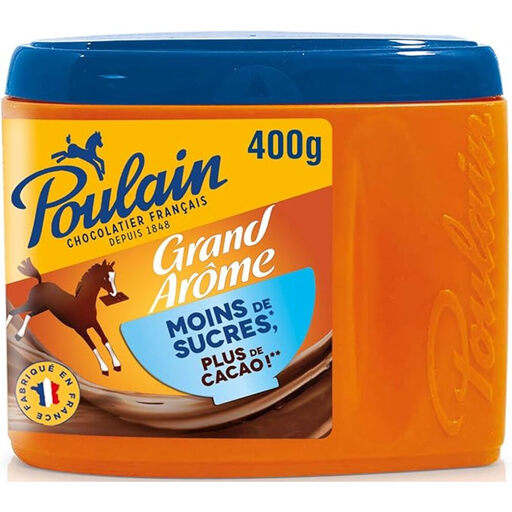 Image unavailable
POULAIN Cocoa with Rich Flavor, 400 g
This 400 g option gives you another Poulain pack size to consider for the same occasion. Don’t assume it has the same ingredients as the 450 g pack: compare the ingredients, sugar content and allergens of each one separately.
View on Joybuy
Frequently asked questions
Is Nutri-Score compulsory on hot chocolate powder?
No. In France, the DGCCRF distinguishes Nutri-Score, which is voluntary, from nutrition information, which is generally compulsory for prepacked foods. If Nutri-Score is shown, it doesn’t replace checking the sugar content, ingredients and allergens.
Does the ‘soda tax’ automatically apply to chocolate powder?
No. The contribution described by the Official Bulletin of Public Finances – Taxation applies in particular to non-alcoholic drinks that are ready to consume and contain added sugars. A powder that needs to be diluted shouldn’t automatically be treated as a ready-to-drink beverage; whether the rules apply to a specific product depends on its characteristics.
How do you compare the sugar content of two powders?
First compare the ‘sugars’ figure per 100 g of powder, then check how much is used in each cup. To compare the drinks you make, also take account of any milk or other liquid added. Read any ‘less sugar’ claim alongside its basis of comparison.
What should you check if a child needs to avoid an allergen?
Read the ingredients and any ‘may contain’ statements on the packaging for the exact product. For example, the Carrefour product information reviewed says Poulain Grand Arôme 250 g may contain milk and soy, while Banania’s cereal, banana and honey recipe includes wheat and barley.
Should you choose a large pack for the festive season?
A large pack is best suited to households that already know the recipe and expect to use it. If you’re trying it for the first time, think about how much you’re actually likely to make, then check the best-before date and storage instructions on the pack you choose.


