Anyone who wants to control the sugar content
If you enjoy a chocolate drink with breakfast, compare unsweetened cocoa, ready-made mixes and how much powder you actually use. Auchan and Carrefour, for example, list unsweetened cocoa products.


To control how much sugar you add to breakfast hot chocolate, start by comparing the ingredients and the ‘of which sugars’ line. Unsweetened cocoa lets you decide how much, if any, sugar to add, while a ready-made powder already contains its own sugars. Instant mixes can be more convenient; also check the serving size, any milk added and the allergen information for the product you choose.
If you enjoy a chocolate drink with breakfast, compare unsweetened cocoa, ready-made mixes and how much powder you actually use. Auchan and Carrefour, for example, list unsweetened cocoa products.
If you want to make a cup without creating your own mix, check the recommended serving and the liquid to use. Nestlé Professional France, for example, describes Nesquik Original as an instant powder to be mixed with milk.
If soya, milk, cereals containing gluten or possible traces are important to your choice, read the information on the exact pack before putting it in the family cupboard.
For breakfast hot chocolate, first decide whether you want cocoa you can sweeten yourself or a ready-made mix. Then compare the nutritional information on the same basis, followed by the serving size and ingredients of the product you’re considering.
Choose this if: you want to decide for yourself whether to add sugar.
Bear in mind: you’ll need to prepare and measure out your own drink; check the product instructions.
Consider this if: you prefer a ready-made powder but still want to compare its sugar content with other products.
Remember: this label doesn’t mean ‘sugar-free’; values vary by recipe and serving size.
Consider this if: you’re mainly looking for an easy-to-prepare mix with an established flavour.
Check: sugar content and ingredients vary from one recipe to another, particularly if it contains cereals.
| Criteria | What to check | Who is it for? |
|---|---|---|
| Sugars | Compare the ‘of which sugars’ figure per 100 g of powder and the ingredients list; also check the amount used per serving. | I want to choose how much sugar goes into my drink rather than rely on a claim on the front of the pack. Around 42% of consumers would make this their priority. |
| Preparation | Check the amount per cup, which liquid to use and whether the powder is described as instant. | In the morning, I prefer a ready-made mix that I can prepare quickly. For around 25% of consumers, convenience would come first. |
| Ingredients and allergens | Read the ingredients and any ‘may contain’ information on the pack you buy. | In my household, a mention of soya, milk or cereals containing gluten could affect our choice. This check would be a priority for around 17% of consumers. |
| Pack size and storage | Compare the net weight with how often you’ll use it, and follow the storage instructions once opened. | If the powder is likely to stay in the cupboard for a while, I prefer a size that suits our consumption and is easy to reseal. Around 16% of consumers would put this consideration first. |
A recipe with this wording can still contain sugar: Auchan lists 25 g of sugars per 100 g of powder for Nesquik Less Sugar, while Chocolat Poulain lists 52 g per 100 g for Grand Arôme Moins de Sucres.
Compare the figures per 100 g, then check how much powder you’ll use in a cup. Unsweetened cocoa offers a different choice: you decide whether to add sugar and how much.
If it appears on the packaging, Nutri-Score offers an additional point of reference. It doesn’t replace the nutritional information or ingredients list, which can help you compare sugars and identify allergens.
Read the nutritional information, serving size and ingredients for the specific product, whether or not it displays a Nutri-Score.
The figures per 100 g of powder don’t, on their own, tell you what’s in a cup made with milk. Nestlé Professional France recommends preparing Nesquik Original with 13.5 g of powder and 200 ml of semi-skimmed milk.
Compare powder with powder, or prepared drinks with similar serving sizes and amounts of milk.
A family-sized pack may make more sense for daily use than for the occasional cup. Pack sizes also vary between recipes.
Choose a net weight that suits how often you’ll use it, then follow the instructions on the packaging for resealing and keeping it dry.
The range includes an Original mix and a recipe labelled ‘less sugar’.
Grand Arôme and Grand Arôme Moins de Sucres are two distinct cocoa-based recipes.
The Original chocolate powder combines cocoa, cereals, banana and honey, among other ingredients.
Carrefour’s Original cocoa powder is labelled ‘no added sugars’.
The products mentioned include unsweetened Equador cocoa and other cocoa-based mixes, whose ingredients should be checked individually.
Auchan offers, among other products, a 250 g pack of unsweetened 100% cocoa powder.
This selection includes cocoa powder and chocolate drink mixes. Compare pack size and ingredients depending on whether you want to sweeten your drink yourself or use a ready-made recipe.
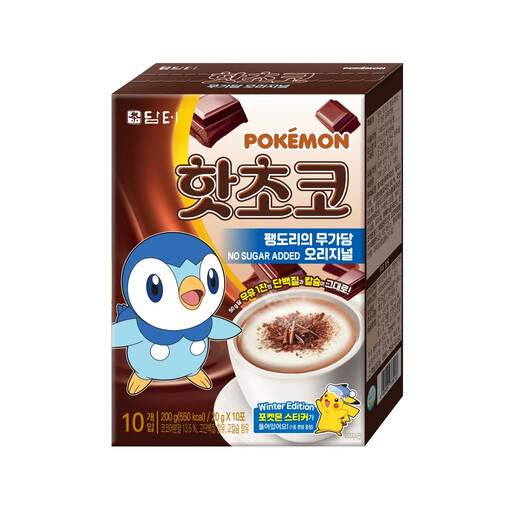 Image unavailable
Individual sachets are handy if you’d rather use one portion at a time than scoop from a tub. Check the product’s ingredients and nutritional information; don’t assume what it contains from the words ‘Sugar Free’ alone.
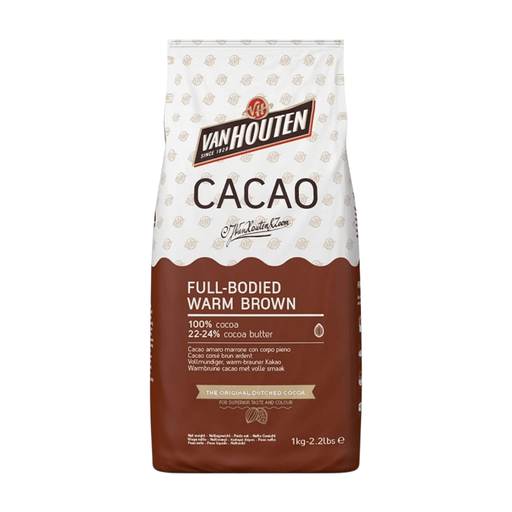 Image unavailable
The 1 kg pack may suit you if you regularly use cocoa that you can sweeten yourself. Before using it to compare ingredients, check the packaging to see what the ‘14.7%’ refers to, and look at the cup preparation instructions.
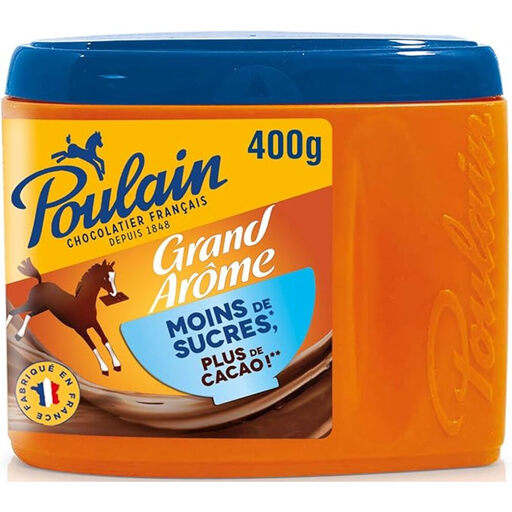 Image unavailable
This 400 g cocoa-based powder is for anyone who prefers a ready-made recipe. To compare it with unsweetened cocoa or another powder, check the sugars per 100 g and the amount used per cup; don’t confuse it with a different Poulain recipe.
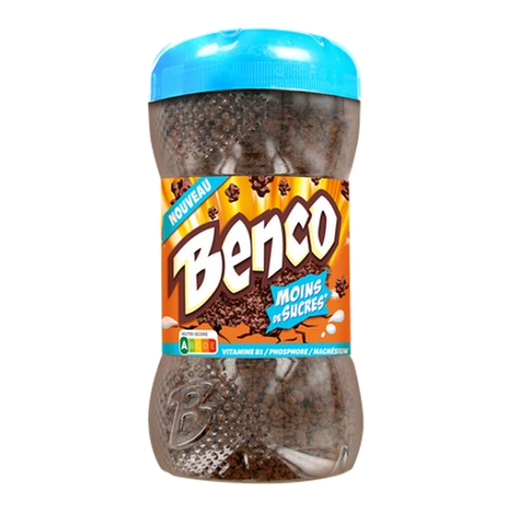 Image unavailable
These 400 g granules are another ready-made option for a chocolate drink. Compare the sugar content and serving size shown on the product: the name ‘Less Sugar’ alone doesn’t tell you how much sugar there is per cup.
No. EU rules on consumer information don’t generally make Nutri-Score compulsory for these products. The European Commission states that a nutrition declaration is mandatory for most prepacked processed foods. If a pack also displays Nutri-Score, check the ingredients and nutritional information as well.
Choose unsweetened cocoa, measure it according to the instructions on the pack and add sugar separately, if you wish. For its 100% cocoa, Auchan recommends mixing the powder with milk and heating it while stirring; check the instructions for the product you have.
Check the ingredients and any warnings about possible traces on the packaging of the exact recipe. Product information from Nestlé Professional France, Banania and Auchan respectively flags soya in Nesquik Original, wheat and barley in Banania Original, and possible traces of several allergens in Auchan 100% cocoa.