If you’re stocking up on everyday honey
You use blossom honey in drinks, on toast or in cooking. Net weight and price per kilogram make it easier to compare jars of different sizes.


When stocking up on honey, compare the price per kilogram and the net weight first, rather than looking at the price of the jar alone. Then check the country of harvest on the label. Choose runny honey if you mainly pour it into drinks or use it in recipes, or set honey if you want to spread it on toast. An organic label may also influence your choice, but it shouldn’t replace these other checks.
You use blossom honey in drinks, on toast or in cooking. Net weight and price per kilogram make it easier to compare jars of different sizes.
You want to know which country the honey was harvested in, without confusing this with where it was jarred or the seller’s address.
You’re deciding between runny honey to pour into a drink or recipe, and set honey to spread on toast.
When comparing honey to keep in your cupboard, start with what matters most to you, then check the other details on the specific jar you plan to buy.
| Criterion | What to check | Who is it for? |
|---|---|---|
| Cost of stocking up | Price per kilogram and net weight, based on your chosen shop and collection option. | If I’m stocking the cupboard for different uses, I want to compare like-for-like quantities rather than relying on the price of each jar. Around 36% of consumers would put cost first. |
| Country of harvest | The country or countries of origin shown on the label, which may differ from where the honey was jarred. | If origin matters to me, I want to know where the honey was harvested before choosing a jar. This would be a priority for around 29% of consumers. |
| Texture and use | Runny or set honey; a jar or a container with a dispensing nozzle, depending on how you plan to use it. | If I mainly pour honey into drinks or spread it on toast, the texture affects my choice. Around 21% of consumers would make this their main criterion. |
| Organic label | The organic claim on the exact product, followed by its origin and price per kilogram. | I want to choose an organic product for my cupboard while still comparing its other features. The organic label would be the top priority for around 14% of consumers. |
A statement that honey was packed in France doesn’t necessarily mean it was harvested there.
To find out where it comes from, look for the country or countries of origin on the label, as advised by the DGCCRF.
When jars contain different quantities, their displayed prices alone don’t tell you how much the same quantity of honey would cost.
Compare the price per kilogram, net weight and exact product in your shop. Carrefour notes, in particular, that prices for its products may vary by store and by collection or delivery option.
According to the DGCCRF, phrases such as “natural honey” or “pure honey” are not authorised product descriptions that distinguish higher-quality honey.
Instead, base your choice on the specific information on the jar: product description, origin, best-before date, texture and net weight.
The Anses advises against giving honey to children under one because of the risk of infant botulism, regardless of its origin.
Don’t add it to their food, bottle or dummy.
A range of runny and set blossom honeys, including 500 g jars.
A range that includes a 500 g jar of organic blossom honey.
A range that includes runny and set blossom honeys.
A 500 g jar of blossom honey listed by Monoprix.
Runny, set and organic honey products to compare by checking their labels.
This selection includes runny and set blossom honeys in different sizes for drinks, recipes or toast. Before buying, compare the price per kilogram and country of harvest for the specific product you choose.
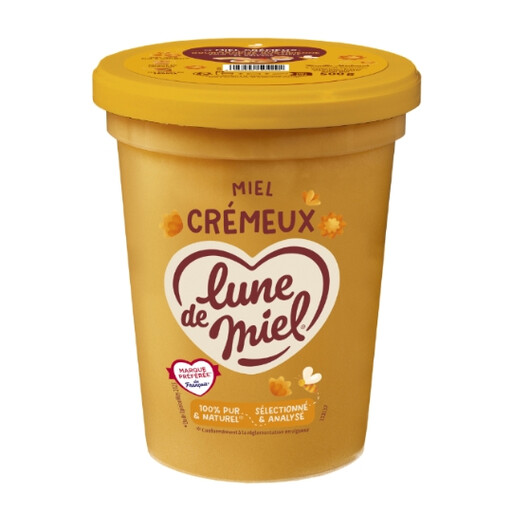 Image unavailable
Worth considering if you prefer set honey for spreading on toast. Compare the price per kilogram and check the country of harvest on the jar.
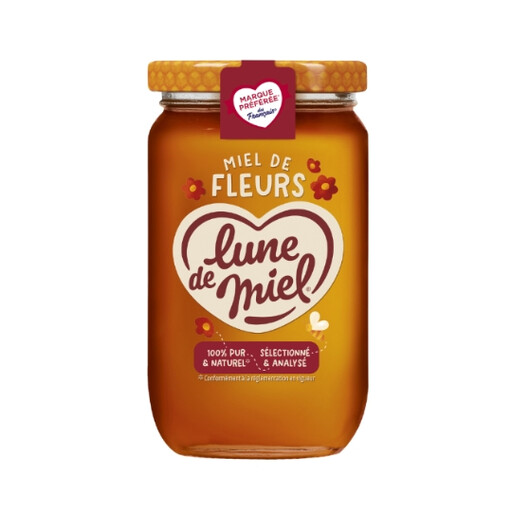 Image unavailable
Runny honey to consider for drinks or desserts. At 375 g, comparing the price per kilogram is useful when weighing it up against a 500 g jar.
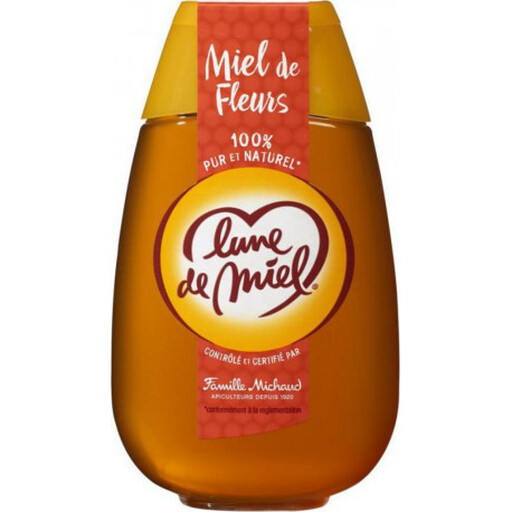 Image unavailable
Worth considering for adding to drinks or using in cooking. If origin matters to you, look for the country of harvest on the label: “Product of France” isn’t enough to confirm it.
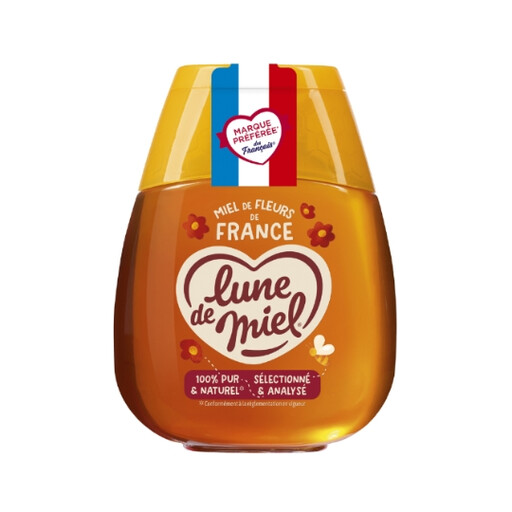 Image unavailable
The dispensing nozzle may be handy if you regularly add honey to drinks or recipes. To compare this 250 g size with larger jars, check the price per kilogram. Also check the country of harvest on the label.
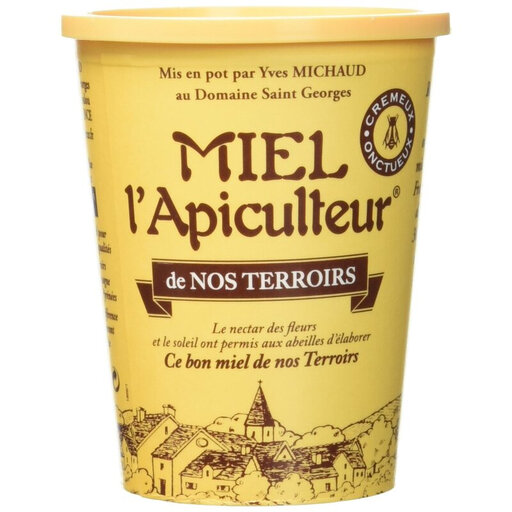 Image unavailable
Set honey to consider for spreading on toast. Don’t assume that a statement saying it was made in France tells you where it was harvested: check the origin shown on the jar.
Check the product description, country of origin, best-before date and details of the manufacturer or seller. The DGCCRF says these are among the details required on the label; check them on the exact jar you’re buying.
No. Where the honey was jarred doesn’t tell you where it was harvested. To find out its origin, check the country listed on the label, as recommended by the DGCCRF.
It lets you compare the cost of the same quantity of honey when jars come in different sizes. Check the price that applies at your chosen shop and for your collection or delivery option: Carrefour says these factors can affect the displayed price.
No. The Anses advises against giving honey to children under one, regardless of its origin, because of the risk of infant botulism.