Households that have honey every morning
A 500 g or 1 kg jar could suit your daily toast, depending on how much honey you actually use.


For everyday toast, choose a size that suits how much honey you use. A 1 kg jar is best suited to households that use honey regularly. Runny honey can be drizzled over toast, while set honey is easy to spread. Finally, check the country or countries of harvest on the label. Don’t assume you know where the honey comes from based on the product name or where it was packed.
A 500 g or 1 kg jar could suit your daily toast, depending on how much honey you actually use.
If you alternate between honey and jam, choose between runny honey to drizzle and set honey to spread. The container also matters if you want to dispense honey straight onto your bread.
If the country of harvest influences your choice, check the label rather than relying on the product name or the way the jar is presented. The DGCCRF distinguishes between the country where honey is harvested and where it is packed.
For toast, start with how often you use honey, then choose a texture that suits the way you like to serve it. Check the provenance separately if it matters to you.
| Criteria | What to check | Who is it for? |
|---|---|---|
| Size | Check the net weight and choose an amount that suits how often you use honey, particularly when comparing 375 g, 500 g and 1 kg jars. | If I use honey almost every morning, I want a jar that suits my usual habits. Around 46% of consumers would put a size that suits their needs first. |
| Texture and serving | Choose between runny honey to drizzle and set honey to spread. Check whether it comes in a jar or a squeezy bottle. | If I’m putting honey on bread or serving it alongside jam, I choose whichever is easiest for me to use. Ease of serving would be the top priority for around 27% of consumers. |
| Provenance | Read the country or countries of harvest shown on the label. According to the DGCCRF, a honey’s country of origin is determined by where it was harvested. | I want to know where the honey comes from rather than rely on its name or packaging. Around 27% of consumers would prioritise clearly stated provenance. |
A 1 kg jar is only practical for everyday toast if you use honey often enough to get through it.
Before choosing a size, think about how much honey your household usually uses.
A name that evokes a particular region or a statement about where the honey was packed doesn’t, on its own, tell you where it was harvested.
Look for the country or countries of harvest on the label, especially if a specific provenance is important to you.
Runny honey to drizzle and set honey to spread suit different ways of serving it, even when both are labelled “blossom honey”.
Decide whether you want to drizzle honey over your bread or spread a layer, then check the texture and type of container.
Anses warns that honey carries a risk of infant botulism, whatever its origin.
Do not give honey to children under one, including when it is mixed with another food.
These retailers offer products that can help you compare the sizes, textures and origin information that matter for your toast. Check each product individually.
Carrefour offers blossom honey in 500 g and 1 kg jars, among other options.
The Marque Repère range includes Nid d’Abeille runny blossom honey in a 1 kg size.
Aldi offers Tamara Blossom Honey in a 500 g size, as well as a Grandessa product called “Miel de Fleurs de France”.
Auchan offers runny and set honey, including 500 g of runny blossom honey in a squeezy bottle.
Lidl offers set blossom honey, which the retailer describes as “100% French”.
Monoprix offers its own-brand runny blossom honey in a 500 g size.
This selection includes runny and set honey in 375 g or 500 g sizes, as well as one honey whose name doesn’t specify its texture. To choose one for your toast, check that it has the texture you want and look for the country of harvest on the label.
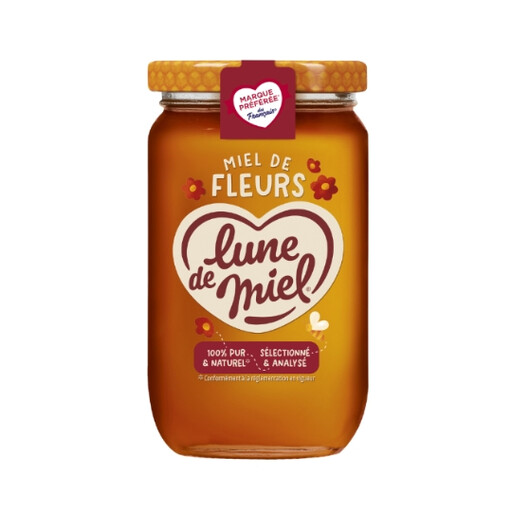 Image unavailable
Worth considering if you prefer to drizzle honey over your toast. This is runny blossom honey in a 375 g size. Check the country of harvest on the label.
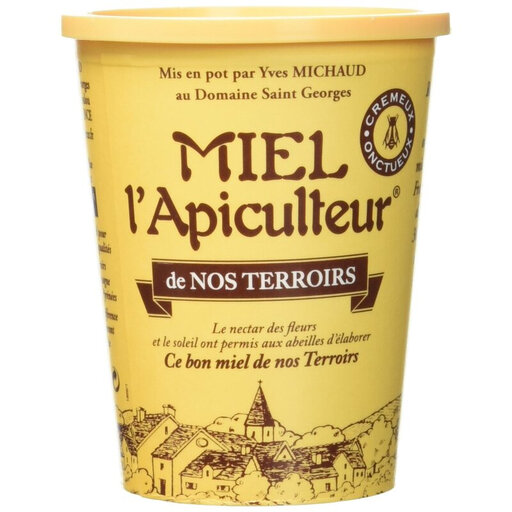 Image unavailable
Worth considering if you’d rather spread honey on your bread than drizzle it. Its name indicates a set texture and a 500 g size. The name “Terroir” doesn’t replace checking the country of harvest.
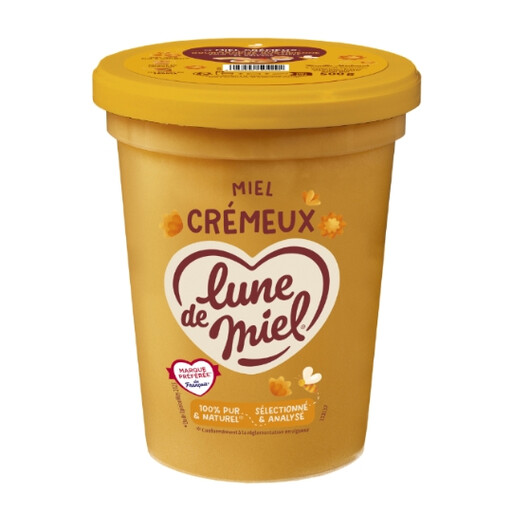 Image unavailable
Worth considering if you prefer spreading set honey on your toast. The jar is available in a 500 g size. Check the country of harvest on the label.
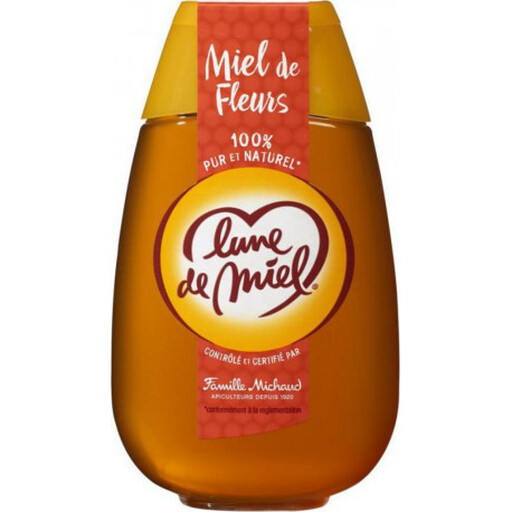 Image unavailable
Worth considering if you like to drizzle honey over bread or serve it alongside jam. This is runny blossom honey in a 500 g size. Check the label to find out where it was harvested.
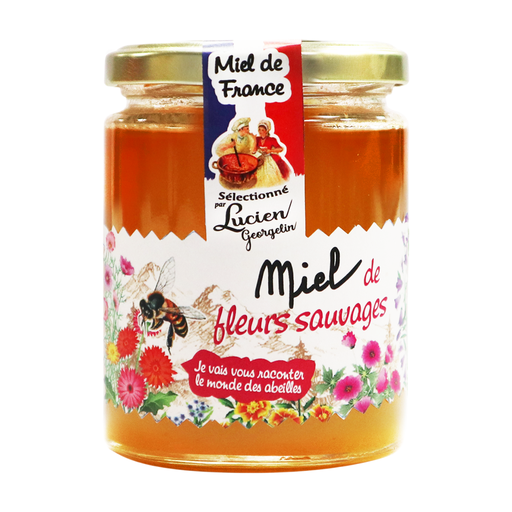 Image unavailable
Worth considering if you’re looking for 375 g of wildflower honey for your toast. Check its texture before choosing whether to drizzle or spread it, and look for the country of harvest on the label.
Look on the label for the country or countries where the honey was harvested. The DGCCRF explains that the country of harvest determines the honey’s origin. The product name or place of packing isn’t enough to establish it.
No. Anses advises against giving honey to infants under one, whatever its origin, because of the risk of infant botulism.
No. Crystallisation alone doesn’t mean honey has gone off. UFC-Que Choisir explains that the types of flowers bees forage on can influence how honey granulates. Also check the information on the jar.