
Livraison le jour même ou le lendemain

Qualité garantie

Débloquez vos offres de bienvenue: Livraison GRATUITE | Jusqu'à -80 % | 30 jours d'essai gratuits à JoyPlus
Téléchargez l'application
Buying home cleaning products can quickly become expensive when marketing promises overshadow actual needs. A spray marketed as “universal” is not necessarily suitable for wood, natural stone or screens. Likewise, a fragranced product is not automatically a disinfectant, while a large format is only cost-effective if the formula can be dosed correctly.
This 2026 selection is intended for individuals, families, restaurants, shops and cleaning professionals looking for a multi-surface cleaner, a floor cleaner, a kitchen degreaser or a solution designed for a specific appliance.
A multi-purpose cleaner removes dirt, grease marks and dust. A surface disinfectant serves a different purpose: it must specify an active substance, instructions for use and, for biocidal products, details of the claimed standards on the label.
A lemon, pine or floral fragrance therefore provides no evidence that a product disinfects. For surfaces that come into contact with food, also check whether rinsing with potable water is required.
Bleach can whiten certain surfaces, but it may also damage materials, irritate the eyes and skin or discolour textiles. It must never be mixed with vinegar, an acidic product, ammonia or any other cleaner.
An abrasive cream or melamine sponge can also scratch a glossy surface. For a ceramic hob, it is better to use a ceramic hob cleaner designed for this purpose and follow the manufacturer’s recommendations.
5 L formats are practical for large families and professional cleaning products, but they require suitable storage space. Concentrates must be diluted according to the label instructions: using too much does not necessarily improve the result and increases consumption.
Always keep products in their original, closed packaging, away from children, animals, heat and food.
Start by identifying your exact requirements:
A ready-to-use cleaning spray is ideal for small areas and quick touch-ups. A concentrated liquid is better suited to floor care and frequent use. Tablets, such as those designed for washing machines, eliminate imprecise dosing.
Check the volume, the stated number of uses where provided, whether rinsing is required and the contact time for a biocidal product. This information helps you compare the true cost per use, not just the displayed price.
Read the label before buying, paying close attention to hazard pictograms, fragrance allergens, precautions for use and the possible presence of chlorine-based agents or alcohol. Biocidal products must be used carefully and in accordance with the instructions.
An eco-friendly cleaner may display a certification or contain a high proportion of ingredients of natural origin, but that does not mean it is suitable for every surface or harmless. Biodegradability, certification and performance in use are three distinct criteria.
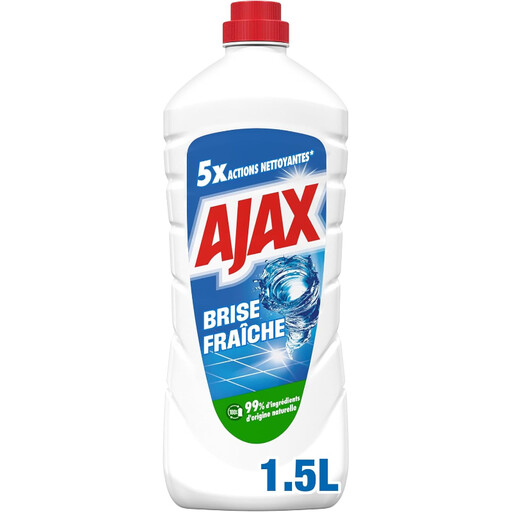
Why this choice suits the profile: A versatile solution for households that want to clean floors, kitchens and bathrooms with a single bottle.
The product information specifies multi-surface use and use with cold water; nevertheless, check surface compatibility before application.
A 1.5 L format, a bottle described as being made from recycled and recyclable plastic, and ingredients stated to be 99% of natural origin.
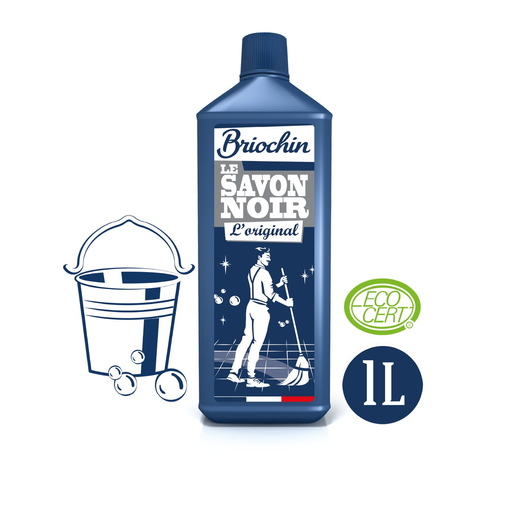
Why this choice suits the profile: An option suited to routine care for floors and small surfaces, for those who prioritise concentrated, certified formulas.
The product information specifies neat or diluted use: one capful per litre of water helps minimise waste.
A formula stated to contain 99% natural ingredients, ECOCERT certification, French manufacturing and a recyclable bottle.

Why this choice suits the profile: A large format designed for frequent cleaning in shops, offices, restaurants or larger households.
The product information clearly distinguishes cleaning from disinfection and refers users to the label for dilution and contact time.
The product information claims compliance with standards EN 13697, EN 1650 and EN 14476; for food-contact surfaces, rinsing with potable water is specified.
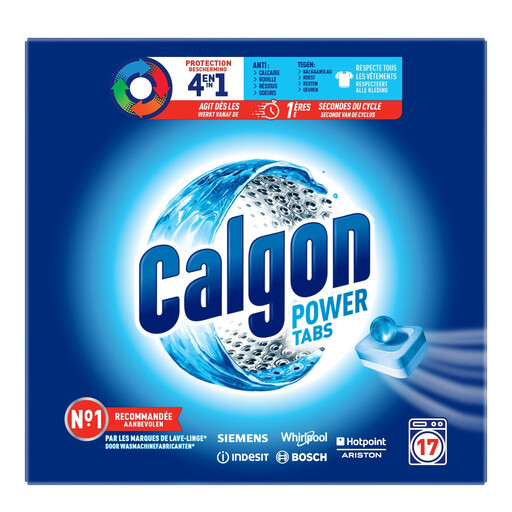
Why this choice suits the profile: A dedicated solution for those who want to incorporate washing machine care into every cycle.
This product is specifically designed for washing machines. Place it directly in the empty drum, not in the detergent drawer.
The pack contains 17 tablets. The product information indicates action against limescale, detergent residue and dirt in the drum, filter and pipes.
We have put together an up-to-date selection of products suited to a range of domestic and professional cleaning needs, including their formats and usage instructions.
Prepare your equipment before you begin: a clean cloth, a suitable mop and gloves if recommended on the label. Start by removing visible dirt, then apply the stated quantity. On a delicate surface, always test the product on an inconspicuous area first.
For concentrated products, use a measuring cup or the cap provided. With a kitchen degreaser, leave it to work for the recommended time rather than applying more product. Surfaces that come into contact with food must be rinsed whenever the instructions require it.
Never mix different products. This rule is especially important for bleach, acidic cleaners and ammonia. Ventilate the room when using a spray and do not deliberately inhale aerosols.
A multi-surface cleaner is suitable for compatible hard surfaces, such as certain worktops, sinks, tiles and washable furniture. For a specific need, however, choose a specialist product: ceramic hob cleaner for a hob, floor cleaner suited to the flooring or washing machine limescale remover for the appliance.
No. Disinfection is intended for a specific situation or protocol and must follow the stated contact time. For everyday dust and dirt, standard cleaning is generally sufficient. Before buying a biocidal product, check the standards and intended uses stated on the label.
They can reduce the price per litre if the product is used regularly and dosed correctly. Compare the dilution ratio, number of applications, whether rinsing is required and the storage space available. For occasional use, a 750 ml or 1 L bottle may prevent prolonged storage and help reduce waste.