
当日/次日达

品质保障

开启新人专享福利: 全场免邮 | 低至 2 折 | 免费试用 30 天 JoyPlus 会员
下载 Joybuy
Buying home cleaning products is not simply a matter of picking the most colourful bottle on the shelf. Between promises of brilliant shine, fragrances that last for hours and “all-purpose” formulas, the product you choose can quickly prove unsuitable for your home, surfaces or cleaning routine.
A busy kitchen, a family bathroom, a wooden floor or professional premises all come with different requirements. Here are the key points to check before ordering, along with a selection of products suited to a range of situations.
A multi-purpose cleaner may be suitable for many washable surfaces. That does not mean it is risk-free on unfinished wood, marble, waxed surfaces or delicate materials. An abrasive cream, for example, may remove a stubborn, ingrained stain, but it is best to test it on an inconspicuous area before using it more widely.
For wooden flooring, choose a formula that clearly states its compatibility with wood floors or washable wooden surfaces. Avoid soaking the floor, too: excess water can leave marks and accelerate deterioration.
A lemon or pine scent can enhance the feeling of freshness, but it says nothing in itself about a product’s effectiveness. Instead, check for surfactants, soap or degreasing agents. For a biocidal product, also review the regulatory information provided on the label.
Anyone sensitive to fragrances should carefully check the list of declared allergens, particularly limonene, linalool and geraniol.
A large container is not necessarily economical if the product must be used undiluted. Conversely, a concentrated liquid black soap can cover a large number of cleaning sessions when diluted correctly. Compare the recommended dose per bucket, frequency of use and whether rinsing is required.
For everyday dust, biodegradable floor wipes or a barely damp mop may be sufficient. Greasy marks require stronger degreasing power. A cleaning cream is best applied sparingly to stubborn dirt, using a damp sponge and rinsing appropriately.
If you are looking for disinfection, do not treat cleaning and biocidal action as interchangeable. A floor and surface disinfectant must be applied in accordance with the stated contact time, dilution and safety precautions on the label.
The product is only part of the equation: the tool you use also affects the result. A mop and bucket with separate compartments for clean and dirty water helps limit the spread of grime. A steam cleaner can be useful on certain compatible surfaces, but consult the recommendations from both the flooring and appliance manufacturers. Steam is not suitable for every type of wooden floor, grout or sensitive material.
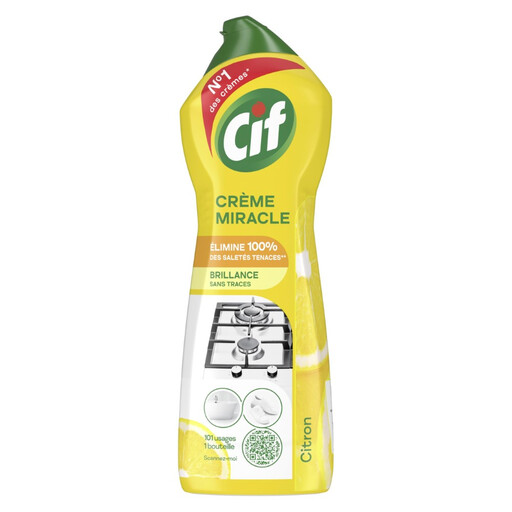
Why it is a good match: its 750 ml bottle is suitable for occasional kitchen and bathroom cleaning, particularly for tackling stubborn dirt.
The formula is intended for certain surfaces, not every material indiscriminately. Testing it first in an inconspicuous corner reduces the risk of applying an abrasive cream to a sensitive surface.
Creamy texture, lemon fragrance and stated use on stains, grease and stubborn dirt. Rinsing or wiping with a damp cloth is recommended.
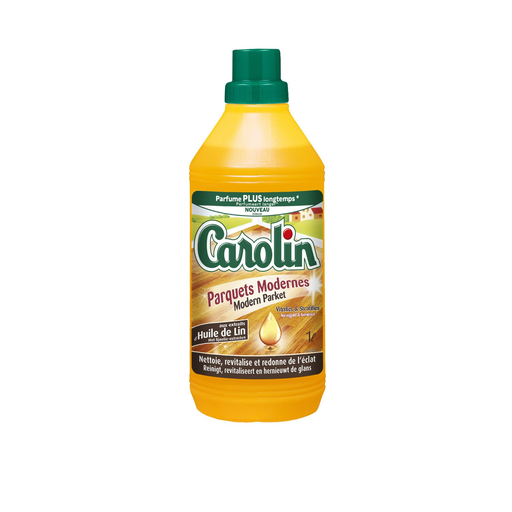
Why it is a good match: it is formulated for modern wooden floors and washable wood surfaces. Dilute it before use with a mop or cloth.
The specific “wooden floor” designation helps you avoid choosing a generic floor cleaner without checking its compatibility with wood.
One-litre capacity, linseed oil extracts and instructions for use without rinsing after dilution according to the level of soiling.

Why it is a good match: this large format may suit larger households, offices or professional cleaning teams carrying out frequent cleaning.
Follow the dilution instructions and contact time carefully. When disinfection is not required, a standard cleaner is the more appropriate choice.
Bleach-free formula, five-litre format and references to European standards EN 13697, EN 1650 and EN 14476 on the product page. Read the label before use.
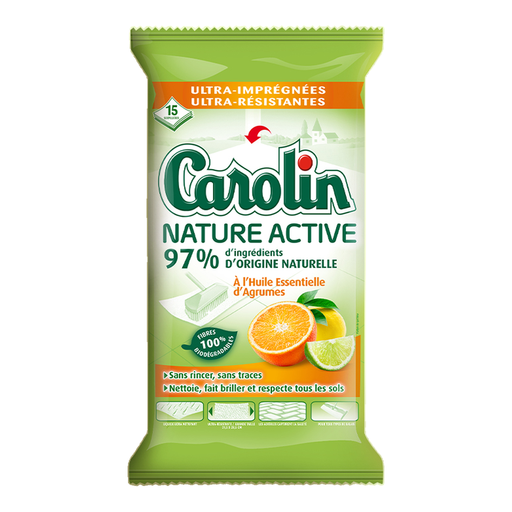
Why it is a good match: ready to use, these wipes are designed for wooden floors and parquet, making them ideal for quick or targeted cleaning.
They are intended for floors and can be used without introducing excessive moisture. Never flush them down the toilet.
Pack of 15 wipes, materials advertised as biodegradable and citrus essential oil. Testing the product first is still recommended on sensitive flooring.
For larger areas, the JoySelect mop and bucket features two compartments that separate clean water from dirty water, along with a 32 cm microfibre head. This design reduces handling when wringing the mop and makes it easier to clean beneath furniture.
For grout, grilles, windows and hard-to-reach corners, a steam cleaner such as the MAWIRON may be worth considering. However, its product page provides limited technical information. Before ordering, check its power rating, tank capacity, heat-up time, included accessories and compatible surfaces.
In the kitchen, LA CROIX Ultra-Degreasing with bleach targets stubborn grease. Never mix it with another product, as dangerous gases could be released. Food-contact surfaces must then be rinsed with potable water.
For a versatile solution made with ingredients advertised as being predominantly natural, BRIOCHIN ECOCERT Liquid Black Soap 1 L can be diluted for cleaning floors and used neat on certain stains after testing first.
Explore a complete, regularly updated selection of products suited to different floor and home-cleaning needs.
Choose a wood-floor cleaner explicitly compatible with your floor’s finish. Use only a small amount of liquid, a thoroughly wrung-out mop, and avoid abrasive products, standing water and steam unless the flooring manufacturer permits it.
Not necessarily. In most domestic settings, regular cleaning is sufficient. Reserve floor and surface disinfectants for situations where disinfection is genuinely justified, following the dilution, contact time and instructions on the label.
Compare the amount required per cleaning session rather than looking only at the bottle price. Concentrated formulas, such as certain liquid black soaps and floor cleaners designed for dilution, can reduce consumption. Wipes are convenient for occasional interventions, but a reusable system will often be more economical for frequent cleaning.