
Livraison le jour même ou le lendemain

Qualité garantie

Débloquez vos offres de bienvenue: Livraison GRATUITE | Jusqu'à -80 % | 30 jours d'essai gratuits à JoyPlus
Téléchargez l'application
Whether you're facing an urgent repair, dreaming up a new DIY project, or simply want to upgrade your kitchen gear, having the right home tools and accessories makes all the difference. The problem is that the market is a jungle of products with tempting but often disappointing promises. A gadget that looks great on the box turns out to be flimsy in use, or a piece of safety equipment has hidden flaws. To help you sort through the noise, our editors have broken down the common pitfalls to avoid and the criteria that truly matter before you buy.
Faced with a multitude of options, it's easy to make a mistake. Here are the three most common errors that turn a good deal into a purchase you'll regret:
To avoid being fooled by marketing hype, focus on concrete elements. Here are the points to inspect to ensure you're investing in a functional and durable tool.
A tool's longevity starts with its composition. For garage equipment subjected to high stress, like a hydraulic jack, reinforced steel is non-negotiable. It provides the stability and strength needed to lift a vehicle safely. For kitchen utensils that come into contact with food, like mandoline blades, stainless steel is the gold standard for its lasting sharpness and hygiene. Finally, for hand tools like a stapler, a quality alloy (such as PC+ABS) offers a good balance between lightness and strength.
Make it a habit to systematically check for safety features. For a folding step stool, this includes non-slip feet and a clear, solid locking system to prevent accidental collapse. The maximum supported load (in kg/lbs) must be explicitly stated and suitable for your needs. For a mandoline, a safety guard is essential to protect your fingers from the blades.
The best tool is one that is perfectly suited to your use case. Measure the space you have and compare it to the product's dimensions.
To move from theory to practice, here are a few products that perfectly illustrate these criteria, each designed for a specific user profile.
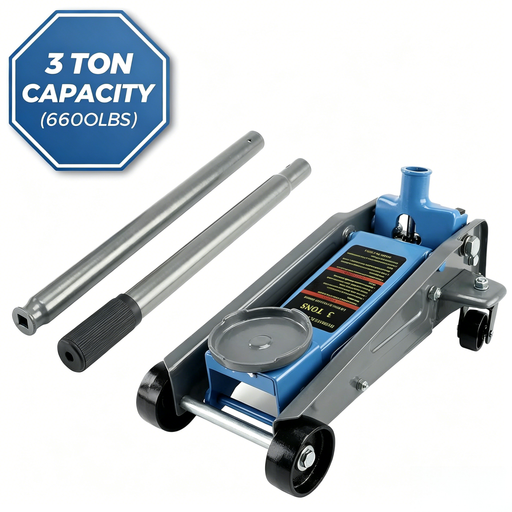
Who is it for? Ideal for regular vehicle maintenance (car, SUV) in your garage, for tasks like changing tyres or routine checks.
Its robust steel construction and wide base avoid the pitfall of flimsy equipment, ensuring rock-solid stability.
High load capacity of 3 tons and a versatile lifting range (135-460 mm) compatible with many vehicles. 360° swivel casters for easy manoeuvrability.
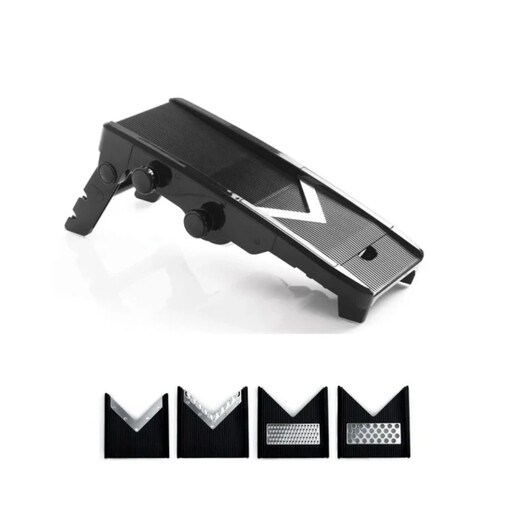
Who is it for? For anyone who wants to save precious time in the kitchen with fast, precise, and uniform cuts of fruits and vegetables.
It comes with a safety guard, an essential accessory that eliminates the risk of cuts when handling ultra-sharp blades.
6 stainless steel blades for slicing, grating, and making julienne cuts. Adjustable cutting thickness from 1 to 9 mm for great versatility.
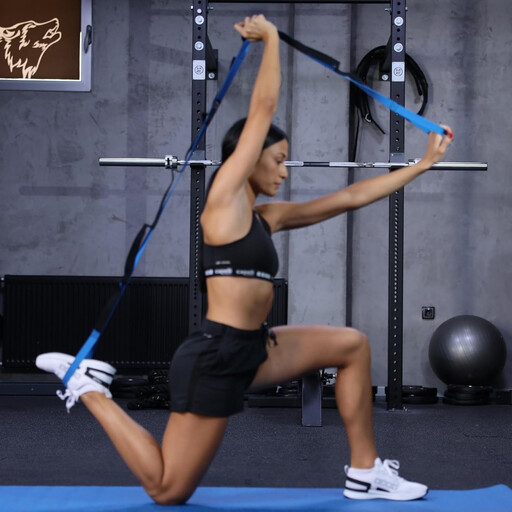
Who is it for? For those who practice yoga, dance, or physical therapy and want to improve their flexibility and balance in a progressive, controlled way.
Made from durable polypropylene, this accessory is built to last. Say goodbye to low-quality straps that fray or snap mid-session.
Its 8 sturdy loops provide personalised support and perfect control to deepen stretches safely, regardless of your flexibility level.
Explore our complete selection of products approved by our editors, all meeting our standards for quality and safety.
Absolutely, as long as you follow a few basic rules. Make sure it is placed on a flat, stable surface. Before climbing, check that the locking mechanism is fully engaged. Strictly adhere to the maximum load indicated by the manufacturer (usually 150?kg for domestic use), and of course, never allow more than one person on it at a time. Non-slip rubber feet are also an excellent indicator of quality.
The secret is to clean it meticulously right after use. Wash the blades by hand with care, as a dishwasher can dull the edge more quickly. Dry them immediately and completely to prevent any rust. Store the mandoline in its case or with its blade guards to prevent damage and ensure your safety.
The rule is simple: the jack's capacity should be much greater than the weight it will actually lift. A jack only lifts one corner or one side of the vehicle, which is about half of its total weight. For safety, aim for a capacity of at least 75% of your vehicle's total weight. For example, for a 2-ton car, a 1.5-ton jack is the minimum, but a 2 or 3-ton model will give you a much more comfortable safety margin.