
Livraison le jour même ou le lendemain

Qualité garantie

Débloquez vos offres de bienvenue: Livraison GRATUITE | Jusqu'à -80 % | 30 jours d'essai gratuits à JoyPlus
Téléchargez l'application
Refreshing your home textiles seems straightforward… until you start comparing materials, dimensions and care instructions. A pretty picture won’t tell you whether a pair of curtains will actually filter the light, whether a duvet cover will stay in place, or whether a tablecloth will fit your table.
To avoid disappointing purchases, it’s best to check three things before ordering: the actual composition, the useful dimensions, and how easy it is to care for. Here are the criteria to look out for, along with a selection of products suited to different everyday needs.
A washed, natural or crinkled appearance might suggest linen, even if the textile contains none. Some duvet covers also imitate washed cotton when they’re actually made from polyester microfibre. That can be perfectly fine if you’re after softness and quick drying, but it’s not the same as a cotton bedding set.
Before you order, check the ‘composition’ line rather than relying solely on the product name or the photo.
A curtain measuring 132 × 245 cm won’t cover a narrow window, a patio door or an opening with a different type of pole in the same way. For linen curtains or cotton curtains, measure the width of your pole, the desired drop, and the space needed for hems or pleats.
For a duvet cover, also compare the dimensions of your mattress, duvet and pillows. A handy fastening will never make up for a poorly chosen size.
‘Easy to wash’ doesn’t necessarily mean ‘no ironing’ or ‘resistant to all stains’. The result depends on the fibre, any treatment applied, the washing temperature and the drying method.
A textile intended for daily use should come with clear care instructions. For recycled items, also check the proportion of recycled fibres and whether polyester is present.
Cotton offers a familiar feel and comes in many weights. Linen appeals with its textured look and its ability to add character to a room. A linen-cotton blend can combine the visual charm of linen with a softer touch.
When choosing an eco-friendly home textile, don’t rely solely on a natural colour or the word ‘sustainable’. Look for a detailed composition, such as 80% recycled cotton and 20% polyester, along with any certifications mentioned by the manufacturer. A certification like Oeko-Tex should be verifiable on the product page or through the relevant body.
Always check:
A pair of curtains usually means two panels, but the width stated may refer to a single panel or the whole set, depending on the product page. For a table, allow enough overhang on each side. A large tablecloth measuring 170 × 300 cm will suit a very long table, but may be too bulky for a compact piece of furniture.
In the kitchen, choose items that are machine washable and plentiful enough to allow for rotation. Cotton table napkins, tea towels and aprons need to withstand frequent washing. A linen and cotton tea towel can be ideal for drying dishes and glasses, while a thicker fabric is better for everyday handling.
In the bedroom, check the washing temperature, whether tumble drying is allowed, and the type of fastening. This information has a direct impact on the time you’ll spend on care.
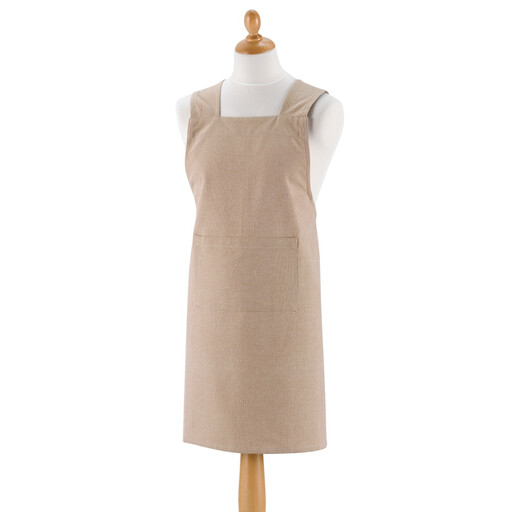
Why this suits this profile: With its 120 × 85 cm cut and machine-washable design, this apron is ideal for a first kitchen setup without adding extra accessories.
The composition is clearly stated: 80% recycled cotton and 20% polyester, rather than a vague promise about a responsible material.
A design inspired by Japanese kitchen wear, several colours available, and machine-washable care.
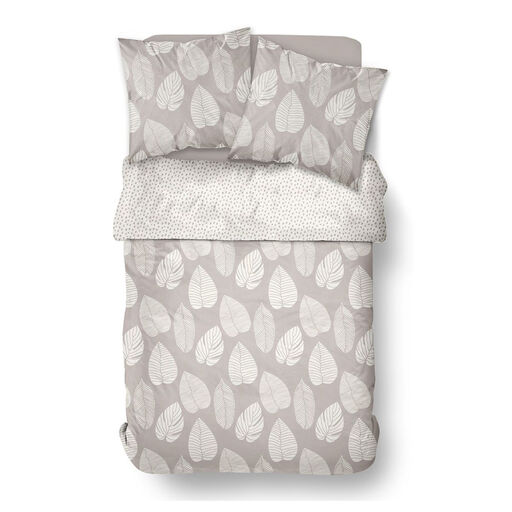
Why this suits this profile: This cotton bedding set is designed for those who want a natural composition and a coordinated ensemble for the bedroom.
The product page clearly states 100% cotton and 57 threads/cm², with two duvet cover sizes.
A double-opening fastening, pillowcases measuring 63 × 63 cm, and a recommended wash at 40°C according to the product page.
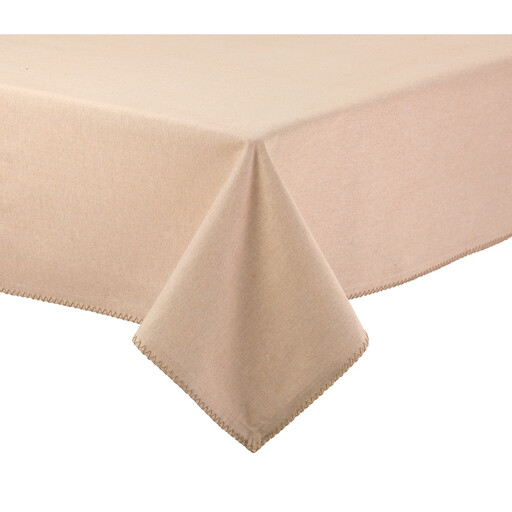
Why this suits this profile: Its 170 × 300 cm size is designed for large tables and frequent meals, especially in a family dining room.
The product page details the recycled composition and mentions a stain-resistant treatment, rather than being vague about ease of care.
80% recycled cotton, a ‘point de cheval’ hem, machine washable, and Oeko-Tex certification stated.
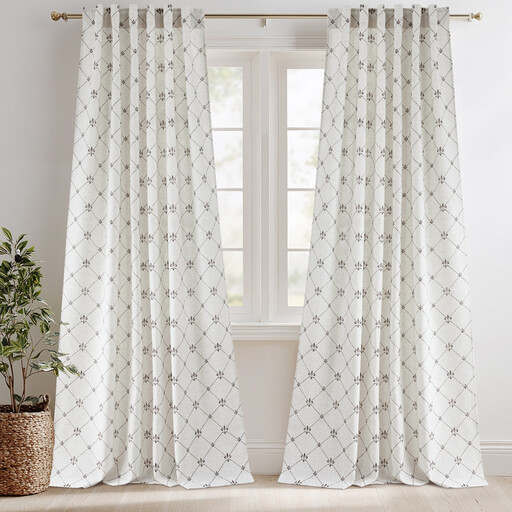
Why this suits this profile: The two panels, each 132 × 245 cm, bring a natural texture and a subtle pattern to a living room or bedroom.
The product page specifies the size, number of panels, back tabs and light-filtering level – all details to compare before installation.
A linen-cotton blend, a floral printed pattern, and a design that helps maintain privacy in the living room or bedroom.
We’ve put together a comprehensive, real-time selection of products that meet these exacting criteria and comply with European safety regulations.
A cohesive look isn’t just about curtains and bedding. In the kitchen, pair a recycled kitchen apron with matching tea towels. The Kilia model, made from equal parts linen and cotton, measures 50 × 70 cm and comes in grey-green or bronze. Its composition will suit those looking for a different texture from 100% cotton tea towels.
For the table, the Atmosphera Maha napkins are sold in packs of two, in anthracite cotton with fringed edges. They can accompany a light-coloured tablecloth or a recycled cotton tablecloth to create a simple, effective contrast. Just remember to check how many napkins you need per guest before ordering.
Linen, cotton and linen-cotton blends each offer a different look. Linen provides a clearly visible texture, while cotton can have a more uniform appearance. A blend offers a compromise between style, feel and care. In any case, measure your pole and the drop height before ordering.
Wash it following the label instructions, choose a suitable temperature and avoid overloading the drum. Fasten the cover before washing and separate dark colours from light textiles. Gentle drying and storing it away from dampness will also help prevent premature wear.
The price depends on the fibre, size, number of pieces and how often you’ll use them. To keep costs under control, start with the items you use most – duvet cover, tea towels, napkins and tablecloth – then gradually harmonise the colours and textures. Composition and dimensions remain more important than a purely decorative claim.