
Livraison le jour même ou le lendemain

Qualité garantie

Débloquez vos offres de bienvenue: Livraison GRATUITE | Jusqu'à -80 % | 30 jours d'essai gratuits à JoyPlus
Téléchargez l'application
A home surface disinfectant should be chosen for more than its fragrance or its “kills 99.9% of bacteria” claim. Ready-to-use sprays, wipes, concentrated floor cleaners and bathroom-specific formulas all have different uses and precautions.
To avoid buying something you don’t need, check at least three things: is the product suitable for the surface in question? Does its contact time fit into your routine? Do you need to rinse after use, especially on surfaces that come into contact with food?
A product may remove grease, limescale or soap marks without being a regulated disinfectant. Some bleach-based products, for example, are primarily for cleaning and whitening; their product information sometimes states that they are not intended for disinfection.
By contrast, a disinfectant cleaner for the home generally combines cleaning agents with a biocidal active substance. It must be used according to the label instructions, particularly when it comes to contact time.
A quick wipe is not always enough. To claim a bactericidal, fungicidal or virucidal action, a product often needs to remain wet on the surface for a set period. Depending on the formula, this may be a few minutes or longer.
Disinfectant wipes are convenient, but make sure they wet the surface sufficiently and follow the stated contact time. If a wipe dries too quickly, it may not deliver the efficacy claimed on the label.
A 500 ml bottle is generally enough for handles, switches, worktops and small areas. For larger surfaces, a 5 l container means fewer refills, but takes up more space and needs to be handled with greater care. The right size depends on how often you use it, how much storage space you have and which surfaces need treating.
The references EN 1276, EN 13697, EN 1650 and EN 14476 refer to European protocols associated with different types of biocidal action. They do not mean that all products are equivalent or interchangeable:
Always read the label for details of the concentration, contact time, type of soiling tested and permitted surfaces. A formula marketed as a bactericidal and virucidal disinfectant should not be used outside the manufacturer’s instructions.
A bleach-free disinfectant may be preferable on some surfaces that are sensitive to chlorine-based products, but that doesn’t mean it’s suitable for every material. Alcohol-based formulas are often flammable and may not be recommended for varnished, painted or delicate surfaces.
Chlorine-based products require particular care: never mix them with acids, ammonia or other cleaning products. Formulas based on hydrogen peroxide, ethanol or quaternary ammonium compounds also come with specific precautions for use.
For a kitchen disinfectant, check whether rinsing with drinking water is necessary after use. Even when a product is labelled “no rinse”, there may be specific instructions for surfaces that come into direct contact with food.
A multi-surface disinfectant spray is handy for small areas. For floors, choose a formula that’s suitable for the recommended dilution, your floor covering and use with a mop. Never mix different products in the same bucket.
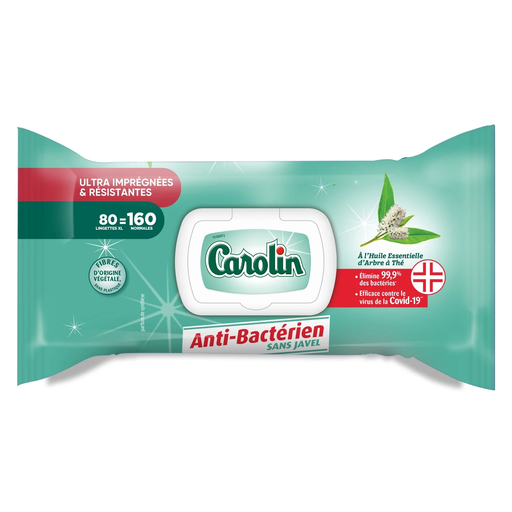
Why this is a good fit for this profile : These 80 ready-to-use wipes are ideal for quick everyday cleaning of frequently touched surfaces.
The ready-to-use format removes the guesswork around measuring. The product information states bactericidal action according to EN 1276 and action against SARS-CoV-2 according to EN 14476, with separate contact times to follow.
Bleach-free, with fibres stated to be plant-based and plastic-free, 80 wipes per pack and no rinsing step required according to the instructions provided.
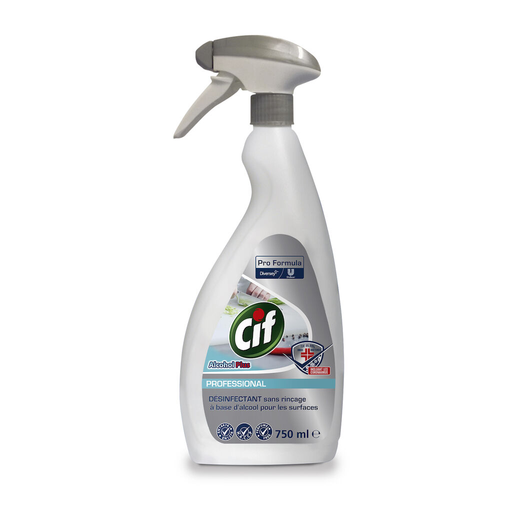
Why this is a good fit for this profile : Its 750 ml spray bottle and ready-to-use formula are ideal if you want quick, consistent application.
The product information details its uses, claimed standards and no-rinse application. However, bear in mind that ethanol is highly flammable, and remember to ventilate the room.
The product information states that it contains 80% denatured ethanol and claims bactericidal, fungicidal and virucidal action.
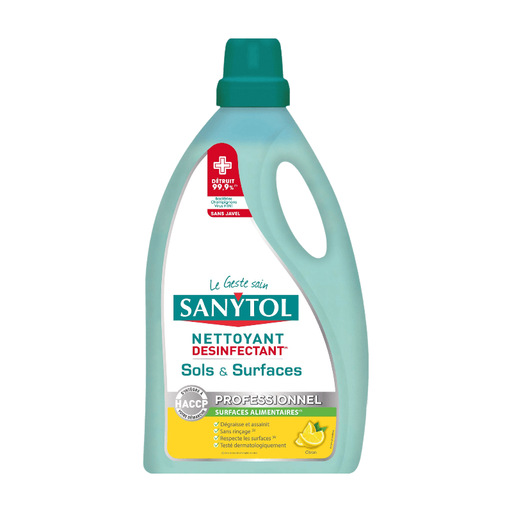
Why this is a good fit for this profile : Its large size is suited to frequent cleaning across several rooms or professional use where refills are needed.
Check the label for the dilution and contact time. For surfaces that come into contact with food, the product information requires rinsing with drinking water after disinfection.
Bleach-free formula for floors and surfaces, with EN 13697, EN 1650 and EN 14476 standards listed in the product information.
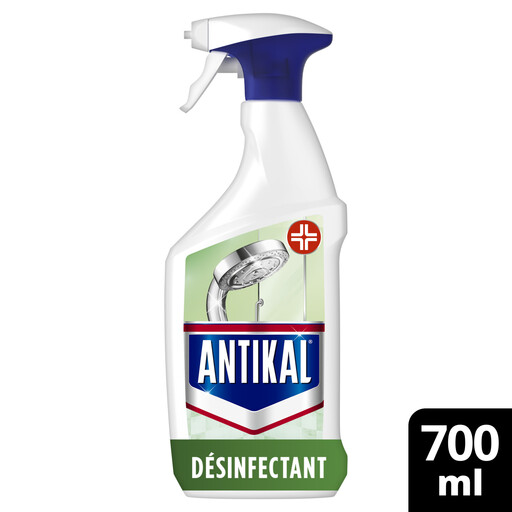
Why this is a good fit for this profile : This spray is designed for bathroom surfaces exposed to limescale, soap residue and water marks.
It distinguishes between cleaning action and the time needed for disinfection. Wear gloves if necessary, and don’t mix it with bleach or any other cleaning product.
A 700 ml spray bottle with claimed action against limescale and soap residue, for targeted cleaning.
We’ve put together a comprehensive selection, updated in real time, of products that meet these strict selection criteria and European safety requirements.
For a kitchen disinfectant, choose a product explicitly stated as suitable for surfaces that come into contact with food, and check whether rinsing is required. A ready-to-use spray makes it easy to treat small areas. For larger surfaces, a concentrated product may be more suitable if the dilution instructions are clear.
Not necessarily. A bathroom disinfectant may contain limescale-removing or chlorine-based ingredients that are incompatible with some floor coverings. For a floor disinfectant, check that it’s suitable for tiles, vinyl, treated wood or stone, and follow the recommended dosage.
Shelf life depends on the expiry date, batch number and storage conditions stated on the packaging. Keep the bottle closed, away from heat and direct sunlight, and out of reach of children. For wipes, reseal the pack carefully to stop them drying out.