
Livraison le jour même ou le lendemain

Qualité garantie

Débloquez vos offres de bienvenue: Livraison GRATUITE | Jusqu'à -80 % | 30 jours d'essai gratuits à JoyPlus
Téléchargez l'application
A well-organised home isn't just about how many pieces of furniture you have. The choice of containers, their size and how you maintain them all have a direct impact on everyday comfort. From kitchen storage and waste sorting to storing seasonal textiles or equipment for multi-pet households, there are certain criteria worth examining before you buy.
Product descriptions can sometimes leave out several important points:
So when comparing home storage solutions, it's best to start with precise measurements and real-life uses.
The stated volume isn't enough. For an under-bed storage box, measure the gap between the floor and the bed base, then leave a few centimetres so you can easily pull the box out. The COMPACTOR model measures 108 × 45 × 15 cm, while the ANQI boxes are 70 × 43 × 18 cm each. These dimensions clearly guide your choice depending on your bed height and what you need to store.
In the kitchen, also remember to check the depth of your shelves and the space available under your units. A 10-litre bread box can hold several loaves and pastries, but it also needs to leave enough room on your worktop.
For airtight food containers, check compatibility with food, the quality of the seal and how easy it is to clean. The JORDAN&JUDY set, made from borosilicate glass containers, offers eight sizes ranging from 150 ml to 1,040 ml. This variety works well for storing leftovers, individual portions or pre-prepared ingredients.
Non-woven fabric boxes are best suited to clothes, duvets and accessories. They shouldn't be used for storing food. In the case of a bread box, the BPA-free plastic body (as stated by the manufacturer) and the bamboo lid also require different cleaning methods.
A waste sorting bin needs to stay easily accessible so you can empty it regularly. The Curver Ready to Collect model offers a 30-litre capacity, a maximum load of 15 kg (as stated on the product page) and is made from 70% recycled materials. Before assigning it to paper, plastic, glass or metal packaging, check your local council's recycling guidelines.
For a self-cleaning cat litter tray, the stability of the floor, the type of litter accepted and how you clean the different parts are all crucial. The two models shown below work on 2.4 GHz Wi-Fi and require clumping litter. They must not be placed on a soft rug, which could interfere with the weight sensors.
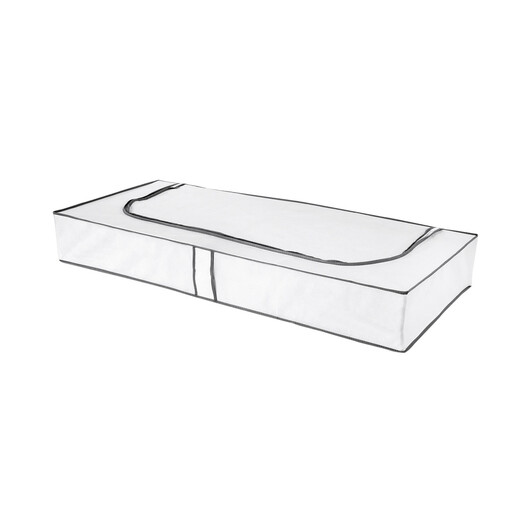
Why this suits this profile: its flat design lets you start organising your home without adding extra furniture. It can hold duvets, blankets and out-of-season clothes.
The dimensions are clearly stated, which reduces the risk of buying a box that's too tall for the space under your bed.
15 cm height, made from non-woven polypropylene and cleans easily with a damp cloth.
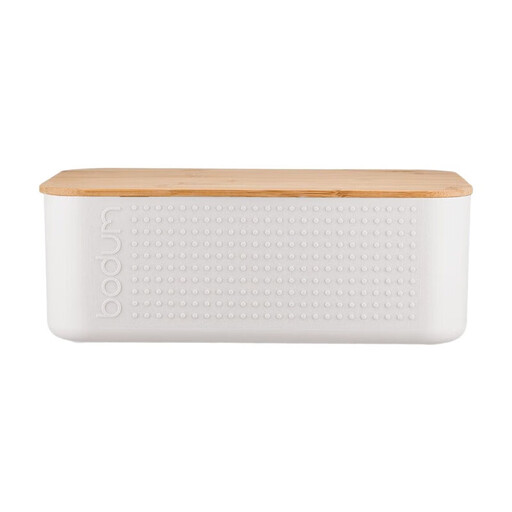
Why this suits this profile: this bread box combines storage with everyday use, and the bamboo lid can also double as a chopping board.
The product page states that the bamboo lid must be hand-washed and air-dried, which prevents you from accidentally putting it in the dishwasher.
Stated 10-litre capacity, BPA-free plastic body and multi-functional lid.
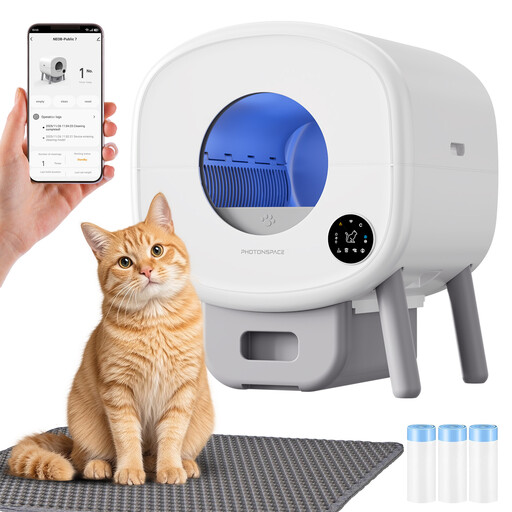
Why this suits this profile: its 95-litre interior space and 15-litre waste drawer are designed for multi-cat households, provided you follow the weight limits and usage instructions.
The product page states the weight limits, the mandatory use of clumping litter and that the electronic base must not be washed.
95-litre capacity, 15-litre drawer, weight and proximity sensors, 2.4 GHz Wi-Fi app.
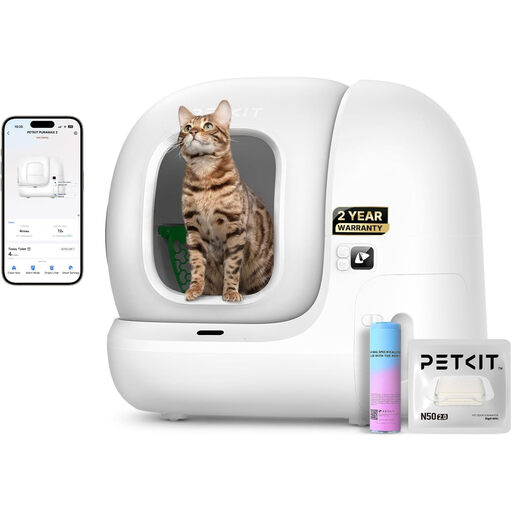
Why this suits this profile: the app lets you view notifications and usage data, which can be useful for households that want to keep track of multiple pets day to day.
Compatibility is limited to cats weighing 2 to 8 kg and 2.4 GHz Wi-Fi networks. Both points need checking before installation.
76-litre litter capacity, 7-litre waste drawer and multiple safety sensors as stated on the product page.
We've put together a comprehensive, real-time updated list of products that meet these strict selection criteria and European safety regulations.
In your pantry, a set of airtight food containers with labels makes it easier to rotate your stock of pasta, rice, flour and sugar. Compare the number of pieces with your actual needs: a pack of 4 will suit a small space, while a set of 16 or 24 pieces will help you organise a larger cupboard.
For waste, a 30-litre recycling bin can be dedicated to one specific type of waste to reduce mistakes. In smaller French kitchens, its vertical design at 55.1 cm can free up floor space. However, do check that its width and depth match those of the adjacent unit.
Start with an area you use every day: your worktop, food cupboard or the space under your bed. Measure the space, sort items by how often you use them, then choose containers that fit the available space exactly.
It all depends on the material, the weight it holds and how you look after it. Avoid overloading it, putting sharp objects inside or using abrasive cleaning products. For fabric boxes, a damp cloth is usually enough. Bamboo lids should be kept dry and must not be submerged.
It can automate some cleaning cycles, but it doesn't eliminate maintenance altogether. You'll still need to empty the drawer, check the sensors, top up the litter and clean the different parts as per the instructions. Running costs also include bags, clumping litter, electricity and, for some models, deodorising refills.