
Livraison le jour même ou le lendemain

Qualité garantie

Débloquez vos offres de bienvenue: Livraison GRATUITE | Jusqu'à -80 % | 30 jours d'essai gratuits à JoyPlus
Téléchargez l'application
A cluttered home doesn’t necessarily need new furniture. When chosen well and correctly sized, a few accessories can be enough to free up worktop space, make the most of a cupboard, or better organise a bathroom. However, not all home storage solutions are equal when it comes to installation, stability, or resistance to moisture.
Before you buy, three common pitfalls keep cropping up:
When the area is recessed, take measurements in three places: width at the front, width at the back, and usable height. This precaution is especially important for an adjustable shower shelf, a microwave shelf, or a drill-free pull-out basket.
In a kitchen cabinet, also check the door opening and whether there’s a hinge in the way. An expandable storage unit must be adjustable without forcing, while still keeping a sufficiently stable base.
In areas exposed to water, look for a precise description such as stainless steel, or steel with a coating specified by the manufacturer. A rust-resistant finish doesn’t mean you can skip wiping down splashes regularly or avoid abrasive cleaning products.
For a wardrobe or hallway, metal with an epoxy coating can work well for everyday use. In the kitchen, also inspect the rails, retaining edges, and non-slip pads. These details have a direct impact on how comfortable a space-saving organiser is to use.
Don’t confuse storage capacity with load capacity. A microwave shelf must support the weight of the appliance and stay stable when you use it. For a lid and pot organiser, weight distribution matters just as much.
If you’re renting, a drill-free installation can help avoid marks on your furniture. However, you must follow the manufacturer’s instructions, place the system on a flat surface, and never exceed the stated maximum load.
The models below are designed for different uses: a damp bathroom, a compact kitchen, a hard-to-reach cupboard, or a hallway that needs to accommodate several pairs of shoes.
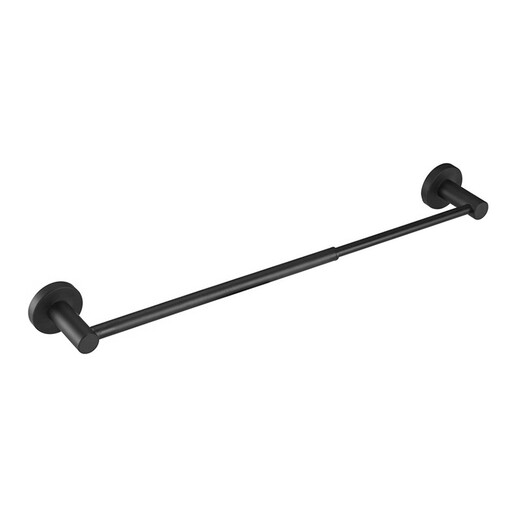
Why this choice suits this profile: This adjustable shower shelf is ideal for anyone wanting to start with a compact accessory that won’t overcrowd the bathroom.
Its adjustability lets you adapt the position to the available space, rather than relying on a fixed shelf whose dimensions might not work.
A compact design, black colour, and adjustable construction for organising toiletries.
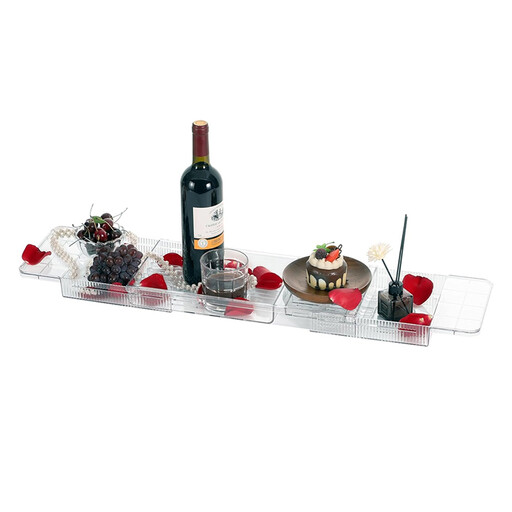
Why this choice suits this profile: This bathtub caddy is designed for those who care about the look of their bathroom and want versatile accessories.
The adjustability and non-slip features reduce the risk of ending up with an accessory that’s too narrow or slides about on the bathtub.
An adjustable design with a non-slip surface as stated by the manufacturer.
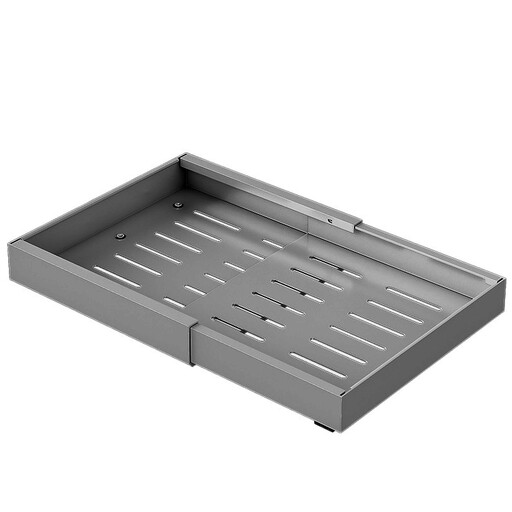
Why this choice suits this profile: This drill-free pull-out basket is designed for kitchen cupboards used every day, especially when reaching the back of the cabinet becomes a hassle.
Its adjustment range of 42 to 68 cm and sliding rails let you check compatibility before buying. The stated load capacity also helps you avoid overloading.
Enamelled carbon steel, an adjustment range of 42 to 68 cm, drill-free installation, and a stated capacity of up to 33 lb (approximately 15 kg).
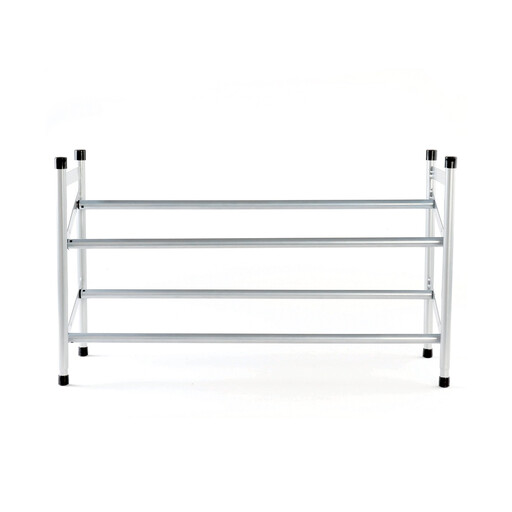
Why this choice suits this profile: This stackable shoe rack is ideal for households that want to gradually increase their storage capacity in a hallway, wardrobe, or cupboard.
The ability to stack multiple units means you don’t have to replace the whole storage system when your shoe collection grows.
Epoxy-coated metal, dimensions of 62 × 23 × 35 cm, stackable design, and no assembly required.
We’ve put together a comprehensive, real-time updated list of products that meet these demanding selection criteria and European safety standards.
In the kitchen, a microwave shelf should be chosen based on the width and depth of the appliance, as well as the space needed for ventilation. The SRD model with a C-frame is described as expandable, while the SRD H-frame model offers eight adjustable levels plus grooves with silicone pads for lids. These features could be useful for a lid and pot organiser, provided you check the available space.
A sliding kitchen cupboard organiser makes it easier to reach items stored at the back, but its rails need to sit on a stable base. In damp areas, compare the material, finish, and care instructions rather than relying solely on the term “anti-rust”.
Start by checking that the surface is flat, clean, and compatible with the system supplied. For a drill-free pull-out basket, measure the cabinet before installation and test the stability when empty. Then add items gradually, distributing the weight and respecting the stated maximum load.
Its lifespan depends on the material, humidity, frequency of use, and the weight it supports. Wipe down splashes, avoid metal brushes, and regularly check the rails, pads, and fixing points. Even an anti-rust storage item needs maintenance, especially in a poorly ventilated bathroom.
Measure the width, depth, and height that are actually available, then compare them with the product’s dimensions. For an expandable model, start from the minimum size and allow extra room for doors, hinges, and airflow around appliances.