
Livraison le jour même ou le lendemain

Qualité garantie

Débloquez vos offres de bienvenue: Livraison GRATUITE | Jusqu'à -80 % | 30 jours d'essai gratuits à JoyPlus
Téléchargez l'application
Buying products for the home and stationery isn’t just about comparing a price or a pretty picture. A fitted sheet might seem perfect for your mattress, only to stretch out after a few washes. Photo paper can produce dull images if its finish isn’t compatible with your printer. And when it comes to wallpaper, a miscalculated width or forgetting the adhesive can turn hanging it into a real headache.
To avoid unpleasant surprises, there are three criteria worth checking before you place an order: the truly useful dimensions, the material, and how it’s meant to be used. This approach works just as well for bedding as it does for everyday accessories, photo printing, arts and crafts, or interior decoration.
A 180 x 200 cm fitted sheet doesn’t necessarily tell you the mattress depth it can accommodate. The depth of the pocket plays a crucial role: a 30 cm model won’t fit a 25 cm mattress in the same way. For wallpaper, you need to compare the roll length and the area it covers against your wall width, not forgetting the extra margin needed for cutting and pattern matching.
In stationery, A4 paper measures approximately 21 x 29.7 cm, while 10 x 15 cm photo paper is closer to a postcard size than A6. These formats aren’t automatically compatible with all printer trays.
Claims like “soft”, “durable” or “premium” need to be backed up by verifiable information: composition, weight, number of sheets, type of finish, and care instructions. A 100% cotton fitted sheet can be comfortable and breathable, but how well it holds up also depends on the weave, the quality of the elastic, and how you wash it.
For photo paper, the weight tells you about the density of the paper, but it isn’t enough to guarantee the final result. That also depends on the ink, your printer settings, and the paper profile you select.
Non-adhesive wallpaper requires glue, a clean, dry wall, and careful hanging. A textured surface can make bubbles more noticeable or make pattern matching trickier. Disposable face towels, on the other hand, need to be kept dry and thrown away after use: they aren’t washable and shouldn’t be flushed down the toilet.
For a large mattress, check these three things:
A well-fitted elastic around the edge helps prevent creases and movement during the night. You should also consider the thickness of any mattress topper you use. Finally, check that the pack contains just one fitted sheet if that’s what you’re after, and not a multi-pack.
Glossy photo paper generally makes colours and contrast pop. On the downside, it shows up fingerprints and reflections more easily. Matt photo paper reduces reflections and is better suited to a subtle, artistic look or for items that will be handled frequently.
Before you buy, check:
Handle the sheets by the edges and store them in their packaging, away from moisture and prolonged exposure to light.
An A4 sketch pad with 80 g/m² paper is fine for notes, pencils and light sketches. For heavily inked markers or wet techniques, it’s better to choose a thicker paper that will warp less and show less colour bleed-through. An A4 spiral notebook has the advantage of lying flat when open, making continuous writing or drawing easier.
To dress a wall, compare the area a roll covers with the dimensions of your room. The Murgall black 3D wallpaper measures 44 x 1,000 cm and covers approximately 4.4 m², while the light grey concrete-effect version at 44 x 1,200 cm covers approximately 5.3 m². Both products are supplied without adhesive, so you’ll need to buy glue and the necessary tools separately.
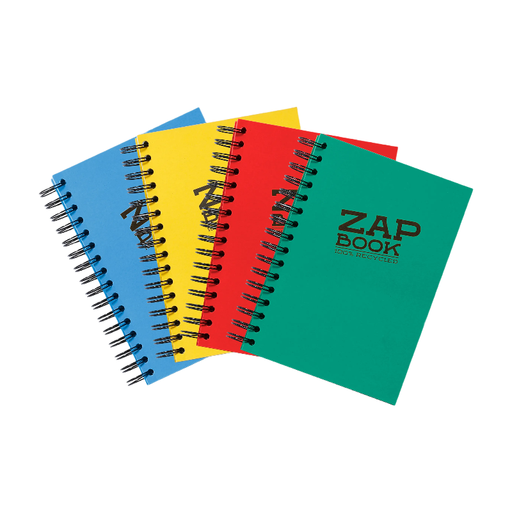
Why this choice suits this profile: its A4 size is ideal for notes, sketches and schoolwork. With 160 sheets, you won’t need to replace your notebook too often.
The product page clearly states the size, number of sheets and 80 g/m² weight, rather than relying on a vague promise of quality.
100% recycled, acid-free, pH-neutral paper, with a spiral binding that allows it to lie flat when open.
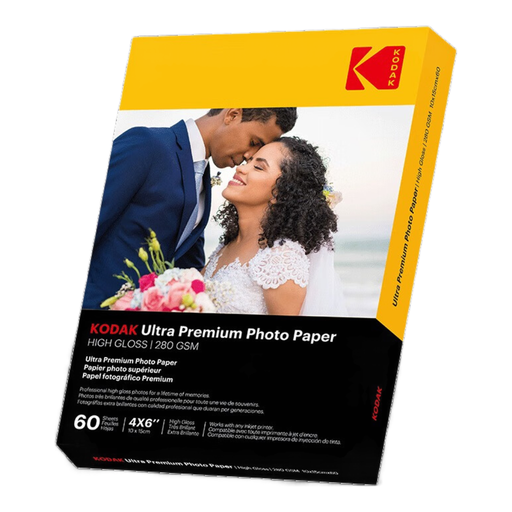
Why this choice suits this profile: it’s aimed at individuals who want to print glossy photos for their albums, frames or personalised gifts.
The size, 60 sheets, 280 g/m² weight and compatibility with inkjet printers are all clearly stated.
A glossy finish, 10 x 15 cm size and fast drying time as stated on the product page.
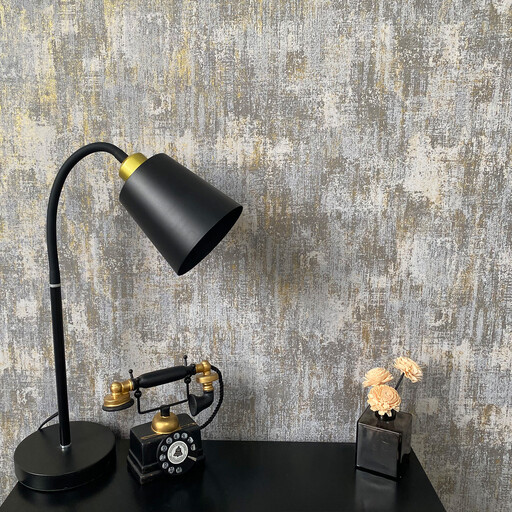
Why this choice suits this profile: it will find its place in a home office, living room or on an accent wall where you want a light, matt industrial texture.
The product page states a coverage of approximately 5.3 m² and that it comes without adhesive, so you can budget and prepare the materials needed for hanging.
A 1,200 cm roll, a matt finish and a concrete-inspired texture on a paper backing.
For other needs, the Kodak Fine Art matt photo paper in 10 x 15 cm is worth a look if you want a finish that’s less prone to reflections. The Calita washed-cotton fitted sheet, also available in 180 x 200 x 30 cm, features a gold colour and is machine washable. ochama disposable face towels are sold in packs of 720 sheets made from non-woven plant fibres and can be used dry or damp. They should be disposed of with the appropriate waste, never down the toilet.
We’ve put together a complete, real-time updated selection of products that meet these exacting criteria as well as European safety regulations.
80 g/m² paper is suitable for notes, pencils and most pens. For felt-tips or wet techniques, check its opacity and go for a thicker paper when the product page recommends it.
The cost mainly depends on the number of sheets, the weight and the amount of ink used. The glossy or matt finish alone won’t tell you the expense. Instead, compare the price per sheet and select the corresponding setting in your printer driver to avoid wasted prints.
Follow the recommended washing temperature, avoid harsh detergents and don’t overload the drum. A gentle drying cycle and storing it away from moisture will help preserve the fabric’s shape and the elastic’s stretch.