
Livraison le jour même ou le lendemain

Qualité garantie

Débloquez vos offres de bienvenue: Livraison GRATUITE | Jusqu'à -80 % | 30 jours d'essai gratuits à JoyPlus
Téléchargez l'application
A leak under the sink, a blackened seal around the bath or water seeping in near a gutter don't always need the same product. Yet the packaging often makes the same promises: "universal", "resistant to everything" or "quick to apply". To avoid wasting your money, the most important thing is to match the formula to the surface and the level of moisture exposure.
A sanitary silicone sealant with anti-mould protection is primarily used to create a flexible seal around a basin, bath or worktop. It won't necessarily replace a PVC and metal bonding adhesive, which is designed to hold two components together.
Similarly, a product intended to cover an old seal won't repair a poorly prepared surface. If the existing silicone is peeling, has damp patches or still has soap residue, the new product is likely to lose its adhesion quickly.
Some sealants will bond to enamel, glass, ceramic, metal or PVC, but not to polyethylene, polypropylene, PTFE or certain acrylic surfaces. These incompatibilities are usually stated in the instructions or the safety data sheet.
A sealant for plastic and metal fittings should also be chosen based on the type of fitting: threaded, push-fit, rigid or flexible. A standard sanitary silicone isn't automatically suitable for a pressurised pipe.
Even a flexible coating or an anti-leak spray needs to be applied to a surface that is free from loose particles, grease and, where possible, standing water. Applying it to a poorly cleaned area might give the illusion of an instant repair, but it won't guarantee long-lasting performance.
For a roof, a crack in a wall or a gutter, also check the weather, the drying time and the recommended thickness. A liquid membrane applied too thinly won't deliver the performance stated on the packaging.
Start by identifying the material: tiles, ceramic, porcelain, glass, aluminium, PVC, concrete, bitumen, fabric or leather. For a bathroom and kitchen waterproof seal, choose a formula designed for wet rooms and compatible with sanitary surfaces.
For a roof, a façade or a gutter, look instead for an anti-leak roof coating or a liquid waterproofing rubber. The product sheet should clearly state outdoor use, weather resistance and the time you need to wait before it's exposed to rain.
Materials can expand and contract slightly with temperature changes or vibrations. A flexible silicone is generally better for a perimeter seal than a rigid product. For a fixing, check the temperature range, moisture resistance and the load stated by the manufacturer.
Values like -20 °C to +80 °C, 220–240 V or 13 kPa need to be understood in context: each one refers to a specific characteristic and doesn't mean the product is suitable for every installation.
A 50 ml or 75 ml tube may be enough for a small touch-up, whereas a 280 ml cartridge usually needs a sealant gun. An aerosol can make it easy to cover small cracks, but you'll need good ventilation and must follow the precautions for pressurised containers.
Also check the pictograms and instructions required under European regulations on the classification, labelling and packaging of substances and mixtures. Wear gloves if the instructions recommend it, and respect the curing time before exposing the area to water again.
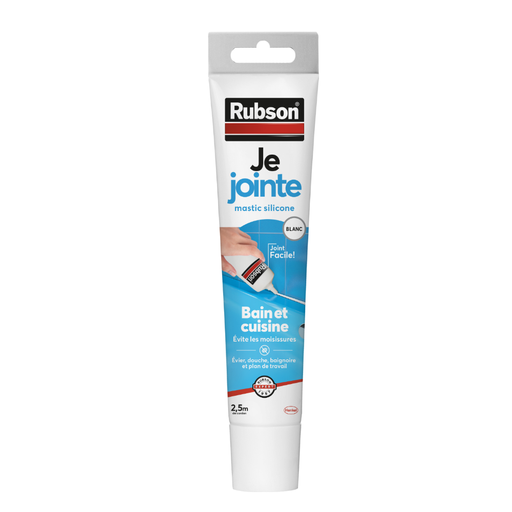
Why this choice suits this profile: its direct application from the tube is ideal for small repairs around a sink, bath or worktop, without needing a sealant gun.
Its small size means less waste for a one-off job. The instructions also list incompatible surfaces, including acrylic, PE, PP and PTFE.
50 ml tube, no gun required and adhesion claimed on several sanitary surfaces.
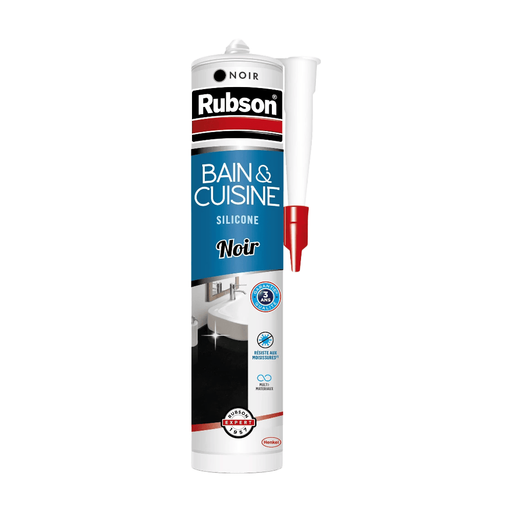
Why this choice suits this profile: its black colour lets you match the seal finish to a contemporary kitchen or bathroom.
The product sheet details compatible surfaces and excludes plexiglass and certain synthetic materials. This helps you avoid using it incorrectly as a truly universal product.
280 ml cartridge, flexible and waterproof silicone after drying, with fungicidal agents according to the manufacturer's description.
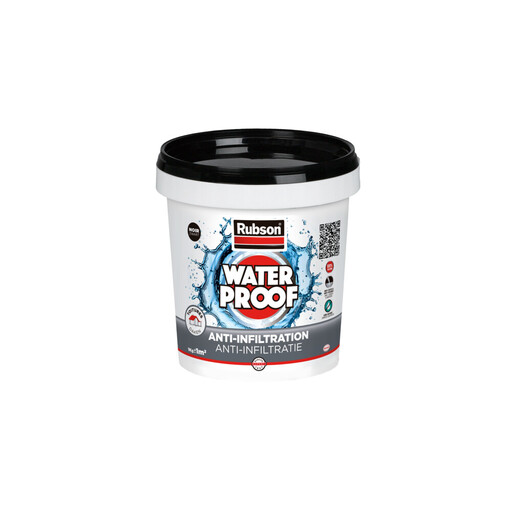
Why this choice suits this profile: its pot format is ideal for roof repairs, gutters, flashings or wall cracks covering a larger area.
The product sheet states a ready-to-use formula and a rain resistance time of 1 to 3 hours. However, this should be checked based on the thickness applied and the weather conditions.
1 kg silicone coating, application by brush, roller or spray, stated operating range of -20 °C to +80 °C.
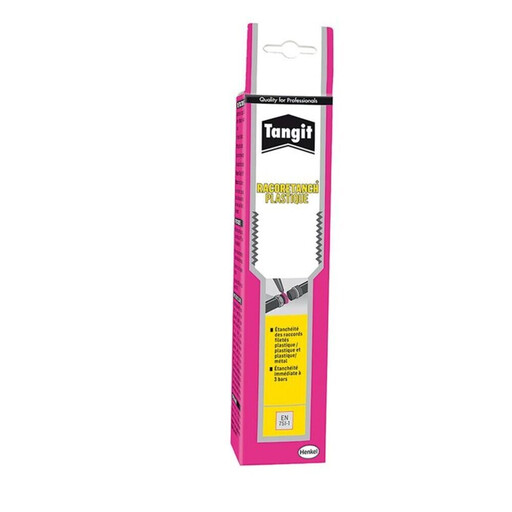
Why this choice suits this profile: its low viscosity is suitable for threaded plastic and metal fittings, particularly for irrigation, swimming pool equipment or compressed air lines.
It is designed for threads, not for decorative sanitary seals. The materials, temperature and fitting type are therefore taken into account from the start.
75 ml format, removable fitting according to the product description, stated resistance to water, oils and certain diluted agents.
The choice isn't limited to sealants. A Rubson anti-leak spray based on liquid rubber can work for certain cracks and outdoor surfaces. For fabrics, a carpet and upholstery cleaner like the Deerma BY700 S targets stains with its two tanks and various brushes. Finally, for shoes and accessories, a waterproofing spray for leather, suede and nubuck such as the Baranne spray should be used on a clean, dry surface in a well-ventilated area.
We've put together a comprehensive, real-time list of products that fully meet these strict selection criteria and European safety regulations.
Yes, but only if the product is designed for this use, such as a silicone seal renovation solution. The surface must be clean, dry, degreased and free from any peeling parts. If the old seal is badly damaged, you'll usually need to remove it completely.
The time depends on the formula, the thickness applied, the temperature and the ambient humidity. Follow the product instructions rather than a general estimate. A surface that feels dry to the touch isn't necessarily fully cured.
For a localised crack or seepage, an anti-leak roof coating or spray can work if the surface is compatible. However, a major leak, damaged roof timbers or deteriorated roofing needs a proper diagnosis and repair of the root cause. A simple surface product won't be enough.