
Livraison le jour même ou le lendemain

Qualité garantie

Débloquez vos offres de bienvenue: Livraison GRATUITE | Jusqu'à -80 % | 30 jours d'essai gratuits à JoyPlus
Téléchargez l'application
A well-organised home isn’t just about how much furniture you have. The dimensions, materials and how each item will be used day to day all play a vital role. A storage shelf, a box or a piece of furniture can quickly become cumbersome if its size isn’t right for the room.
In a narrow hallway, a small kitchen or a family bedroom, just a few mistakes can turn a good storage idea into a real obstacle.
A piece of furniture may be described as compact, but only its depth, width and height will tell you whether it will actually fit in your home. Remember to measure the skirting boards, the door swing, the position of electrical sockets and the space you need to move around.
For a tall shelf, also check the ceiling height and plan for wall fixing if required. Vertical storage reduces the floor footprint, but it must remain stable and easy to reach.
The maximum load stated by the manufacturer usually refers to a static load, evenly distributed. It doesn’t guarantee that a shelf will support the same weight if items are grouped on one side or handled regularly.
For storing shoes, books or kitchen appliances, be sure to check:
A collapsible storage box is easy to stow away, but some models don’t cope well with damp or can’t be machine washed. Similarly, a shelf described as easy to assemble still needs to be put together on a flat surface and secured against tipping where necessary.
Before you place an order, check the information on cleaning, ventilation, assembly and the parts supplied. These details often matter more than how the product looks.
To organise your home effectively, start by identifying your needs room by room:
Then measure the space taken up by doors and drawers when they are open. In a small room, stackable or foldable models can help you save space, as long as you stick to their maximum load.
Metal works well for structures that get frequent handling, such as a shoe cabinet or an extra shelf. Particle board offers a stable base for books and decorative items, while non-woven fabric is better suited to clothes and lightweight objects.
For fabric boxes, check the density of the textile, whether it has a rigid base and how sturdy the handles are. Stated dimensions of 30 × 30 × 30 cm don’t always match the actual usable space: the uprights of a shelf can reduce the internal size of the compartment.
Tall furniture must be installed according to the manufacturer’s instructions. An anti-tip kit is a welcome safety feature, but it doesn’t replace a fixing that’s appropriate for your wall type. In the kitchen, also make sure the utensil you choose is compatible with your hob.
The stainless steel steamer pot shown below is stated as compatible with induction, gas, electric and ceramic hobs. Its product page mentions it is made from 304 stainless steel and recommends hand washing. As always, it’s best to follow the first-use and care instructions supplied with the product.
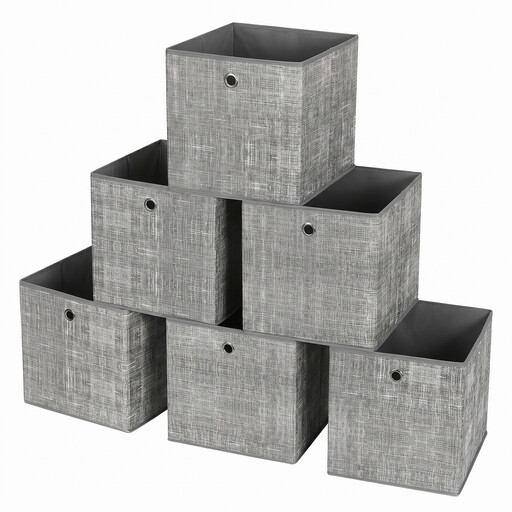
Why this choice suits this profile: With their 30 × 30 × 30 cm dimensions, these six boxes let you gradually tidy up a bedroom, living room or home office. They fold flat when not in use.
The dimensions and stated maximum load of 5 kg per box are clearly given. The cardboard base helps maintain the shape, without suggesting it’s a washable container.
Eyelet handles, size suited to shelving units and versatile use. Clean with a damp cloth, then air dry.
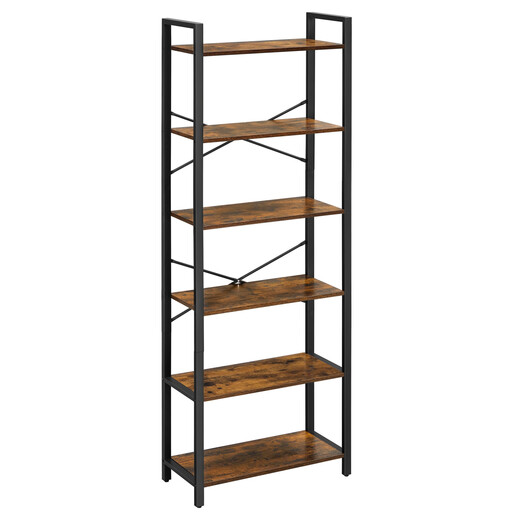
Why this choice suits this profile: Its vertical format of 30 × 66 × 186 cm is ideal for anyone wanting to organise a living room, bedroom or home office, with a stated capacity of 60 kg.
At 30 cm deep, it keeps the floor footprint small. The anti-tip kit and adjustable feet address the main points to watch during assembly.
Six tiers, steel frame and particle board panels, labelled parts and assembly instructions included.
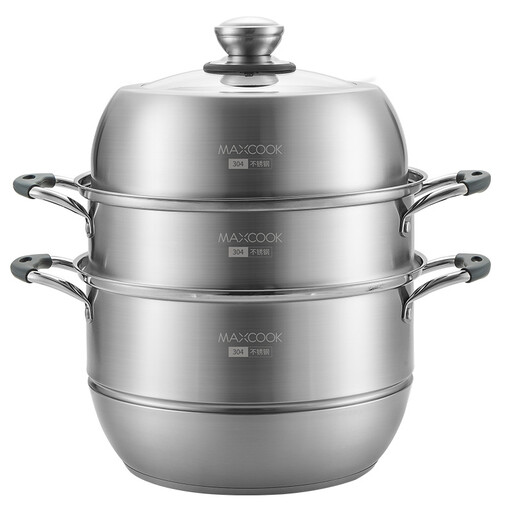
Why this choice suits this profile: This model meets a specific kitchen need: steaming several foods at once with a utensil compatible with different hob types.
The product page details the materials, induction compatibility and hand washing. It also recommends an initial clean to remove any polishing residues.
Three tiers, stated 304 stainless steel, glass lid and heat-resistant silicone handles.
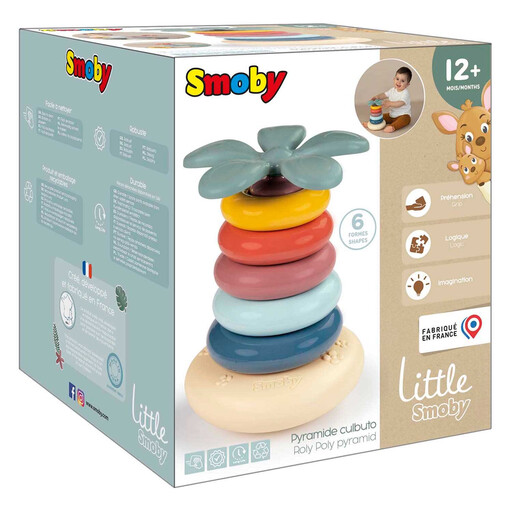
Why this choice suits this profile: This baby stacking toy is recommended from 12 months. It’s easy to put away after playtime – a real bonus in family spaces where everything needs its place.
The minimum age, components and supervision guidelines are clearly stated. The manufacturer also recommends regularly checking the condition of the rings and base.
Five colourful rings, rounded base and rotating flower. According to the product page, the toy is made in France.
Start by measuring the available width, then choose a narrow shoe cabinet or a shallow unit. Depending on the layout, a modular model can be installed horizontally or stacked. Keep everyday pairs within easy reach and store the rest in labelled boxes.
It all depends on the weight stored, how often they’re used and exposure to damp. Stick to the stated maximum load, avoid washing if the instructions advise against it, and air new boxes before using them. For heavy items or archives, a rigid solution is usually more suitable.
Give each compartment a specific purpose and choose containers suited to different categories of items. Simple labelling, regular sorting and solutions that everyone in the household can access make it easier to keep things tidy. Good storage should reduce unnecessary handling, not just move things around.