
Livraison le jour même ou le lendemain

Qualité garantie

Débloquez vos offres de bienvenue: Livraison GRATUITE | Jusqu'à -80 % | 30 jours d'essai gratuits à JoyPlus
Téléchargez l'application
A leaking roof, shoes stained after a shower or a mattress exposed to liquids all call for different solutions. Yet many products make vague claims of “total protection” without specifying which materials they’re suitable for, how long the protection lasts or how to use them.
Before buying a waterproofing product, check three things: the surface you need to treat, how much water it will be exposed to and how the product is applied. This helps you avoid buying the wrong product and distinguish between a waterproofing spray, a coating for walls or roofs, a fabric protector and an application tool.
A fabric waterproofing product can help water bead on the surface, but it won’t necessarily turn lightweight fabric into a waterproof barrier in prolonged rain. Similarly, a leather spray protects against damp and some stains, but it isn’t suitable for repairing a leak.
The claim “water-resistant” should be considered in light of how you plan to use the product: occasional exposure, repeated rain, splashes, condensation or prolonged contact with liquid.
A product designed for leather, suede or nubuck shouldn’t be applied to a painted wall or gutter. Conversely, a liquid rubber coating may be too harsh for fabric or bedding.
Check which surfaces the manufacturer recommends and, if possible, test the product on an inconspicuous area first. The material’s colour, texture or flexibility may change after application.
A dusty, greasy or flaky surface can prevent the product from adhering properly. Drying time matters just as much: some products are touch-dry within a few hours, while repainting or exposure to rain may require a longer wait.
A damp-proof treatment won’t fix the cause of a structural leak either. If a leak persists, you’ll need to find its source before applying a coating.
For bedding, measure the mattress length, width and height. A protector that’s too short may move around, while an oversized one can crease. For a gazebo, measure the frame, sides and corners before ordering a replacement cover.
For walls and roofs, check the type of surface: concrete, masonry, PVC, metal, bitumen or old paint. The stated coverage, for example in square metres per litre, will also help you estimate how much you need.
Read the label before applying the product. Some aerosols are flammable, pressurised and must be used outdoors or in a well-ventilated area. Wear the recommended protective equipment, including gloves and eye protection where specified.
Follow the drying time, application temperature and storage instructions. Information about UV resistance, temperature range or compatibility with certain materials gives you more concrete guidance than a general promise of protection.
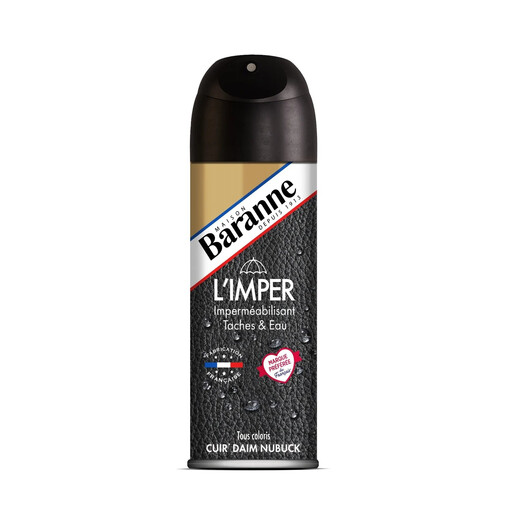
Why it’s a good fit for this shopper: This 200 ml aerosol is ideal for everyday care of shoes, bags and accessories made from leather, suede or nubuck.
The product information lists compatible materials and says to apply it to a clean, dry surface from a distance of around 20 cm.
Even application, stated protection against water, snow and some greasy stains, and made in France.
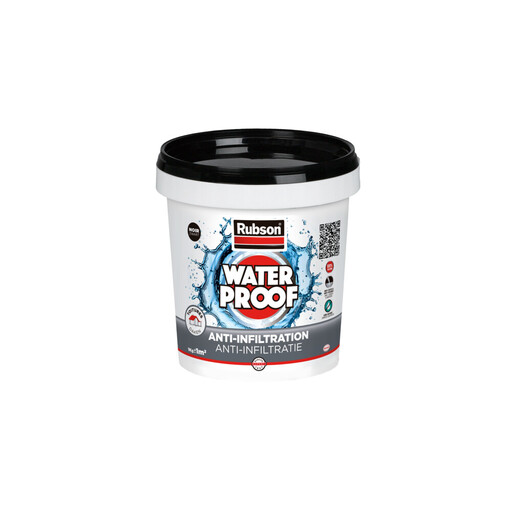
Why it’s a good fit for this shopper: This ready-to-use coating is designed for homeowners looking to treat outdoor areas such as roofs, gutters or cracks in walls.
The product information specifies suitable surfaces, application by brush, roller or sprayer, and protection from rain for 1 to 3 hours.
Stated to be solvent-free and odourless, with an elastic film and a stated resistance range of −20 °C to +80 °C.
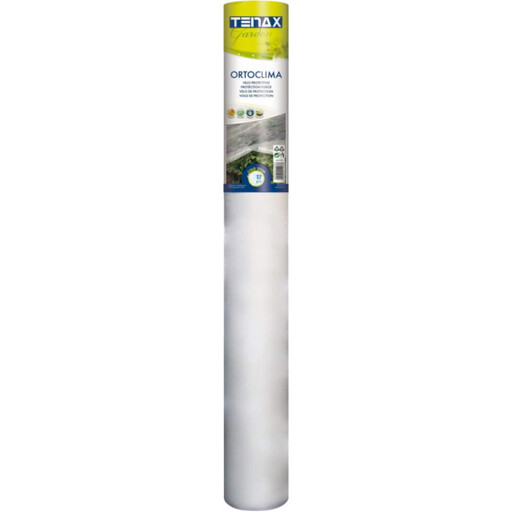
Why it’s a good fit for this shopper: This horticultural fleece roll is ideal for large-scale planting, nurseries and gardeners protecting several crops from cold and wind.
Its density of 30 g/m² and UV-stabilised polypropylene composition are clearly stated, rather than relying on a vague promise of winter protection.
According to the description, the fabric lets air, water and light through, and its width is suitable for covering large areas.
We’ve put together a comprehensive, real-time updated list of products that meet these strict selection criteria and comply with European safety regulations.
How long it lasts depends on the surface, how often it’s washed, how much friction it’s exposed to and the weather conditions. Outdoor fabrics and shoes may need another application after several uses. For roof or wall coatings, follow the manufacturer’s instructions and inspect the surface regularly.
Only if the label says you can. Aerosols should generally be used outdoors or in a very well-ventilated area, away from flames and heat sources. For bedding and clothing, choose a product specifically designed for those fabrics and follow the care instructions.
For a crack or water ingress, choose a coating that’s compatible with the surface and designed for repairs. Clean the area, check its condition and allow the product to dry for the specified time. If water is still getting in or the issue involves the building’s structure, a simple surface treatment won’t be enough: you’ll need to address the source of the leak.